





Leaders in Beijing set a modest GDP goal — 4.5% to 5% for 2026 — and anyone paying attention knows that’s not just a number. Announced at a gathering of Communist Party officials, it’s the lowest official target in decades and a clear hint that the country’socrats are prioritizing long-term fixes over headline-grabbing growth.
Why it matters: the target signals what policymakers are willing to tolerate and what they probably won’t do. A lower goal gives room to tackle structural problems — think weak consumer spending, a dragging property market, stagnant wages and pockets of deflation — without having to unleash massive short-term stimulus just to hit an arbitrary number.
Quick snapshot:
• Target: 4.5%–5% for 2026 — the first sub-5% target since 1991.
• Budget path: central deficit roughly 4% of GDP.
• Consumer push: a 250 billion yuan trade-in/rebate program to nudge appliance and car sales.
• Exports still strong: a huge trade surplus last year helped keep growth afloat.
• Defense: spending up about 7%.
The headline figure is tidy; the reality isn’t. Growth has slowed as the economy matures — factories, EV plants, data centers and big export lines still matter, but they don’t lift spending at home. House prices have been weak for years, household wealth has taken hits, and many families are saving rather than buying. That explains why leaders are talking about “high-quality growth” and leaning into tech, AI and self-reliance in chips and semiconductors.
Expect the playbook to include targeted industrial support, more cash for science and tech projects, and piecemeal measures to prop up consumption — rather than the kind of broad stimulus that fires up short-term GDP. Officials flagged projects in transport, energy and data centers in the new planning documents, and promised to beef up funding for R&D.
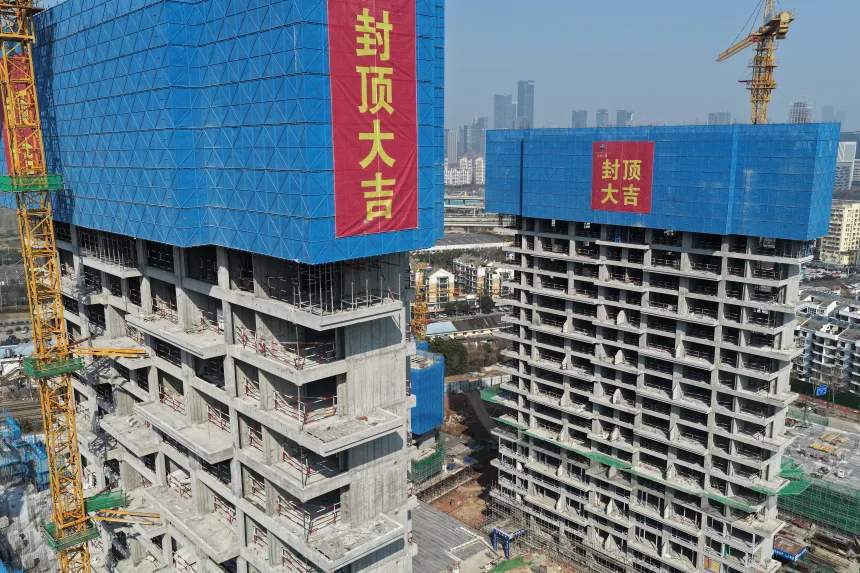
But don’t read the lower target as panic. It’s partly realism: local governments have already been trimming their own targets, and Beijing seems willing to accept slower near-term growth while it shifts the economy’s engine. That said, the slow-burn approach carries risks — especially for millions of workers tied to construction, real estate and traditional manufacturing.
What to watch next: whether the “five-year” roadmap pushes enough on social safety nets (pensions, health care, childcare) to get people spending, and whether fiscal policy actually loosens where it counts. If consumption stays stuck, the country will keep leaning on exports and big-ticket industrial upgrades — which buys stability but may not fix the underlying demand problem.
The sub-5% target is deliberate. Announcing the figure at the top-level meeting makes it a political signal — a way of saying policymakers want flexibility to fix tricky, long-term problems without the pressure of chasing a higher growth number. Whether that bet pays off will be the real story over the next few years.



The latest news in your social feeds
Subscribe to our social media platforms to stay tuned