

The New York Times, PBS, the Guardian, BBC, Business Insider, and Bloomberg contributed to this report.
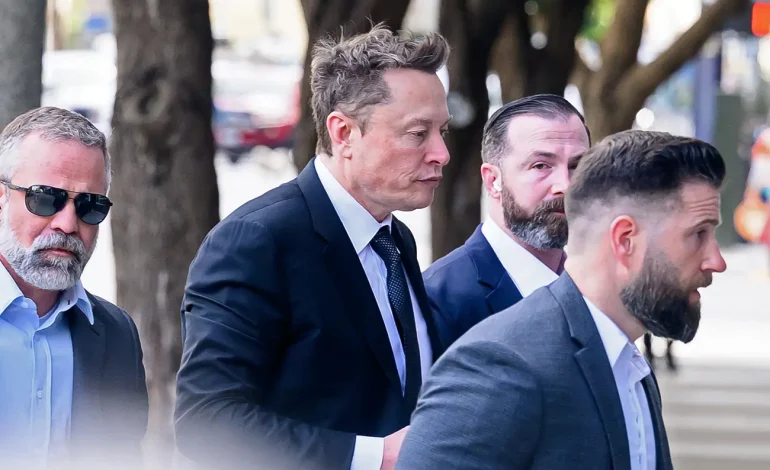
Elon Musk spent Wednesday on the witness stand in San Francisco insisting something a lot of people suspected: he didn’t expect the blunt posts he fired off during the messy 2022 buyout drama to send Twitter’s stock into a tailspin.
The billionaire testified in a class-action suit brought by former Twitter investors who say Musk mounted a public campaign to trash the company and drive its share price down so he could renegotiate — or walk away from — his $44 billion deal. Musk’s defense was simple and blunt: his posts were him thinking out loud, not a calculated market attack.
“If this was a trial about whether I made stupid tweets, I would say I’m guilty,” he told the courtroom.
But, he added, he didn’t think saying the deal was “on hold” would jolt markets — likening it to saying you’re running late for a meeting, not cancelling it.
“I didn’t think there was anything material that would happen if I said I was still committed to the deal,” he said.
What the plaintiffs point to is the chaos that followed Musk’s public complaints about bots on the platform and his May 2022 tweet that the takeover was “temporarily on hold.” Shares plunged and stayed volatile as the back-and-forth dragged on; some investors sold at prices far below the $54.20 per share Musk ultimately paid when he closed the deal in October 2022. One plaintiff, Brian Belgrave, told the jury he sold about 15,000 shares in July 2022 at roughly $33 each — well under the final purchase price — and called the experience “I got screwed.”
Musk told jurors his bot concerns were genuine. He said he was stunned in a May meeting when Twitter’s executives couldn’t show him how they computed their bot numbers. The company had long told investors that bots made up no more than about 5% of daily active users; Musk said he feared the true number could be much higher — even 50% or more — and later assigned a team to study the issue after he took control. He also said he never published whatever higher bot estimates that internal review produced.
His lawyers pushed the narrative that Musk was searching for the truth, not engineering a stock hit. “He wanted to know the truth about bots on Twitter,” Musk’s attorney said in opening statements.
Plaintiffs’ lawyers have a different read. Aaron Arnzen, representing the investors, told jurors Musk “mounted a public spectacle to trash the company, to drive the stock price down, to renegotiate or escape the deal.” If the jury agrees, Musk could face up to roughly a billion dollars in damages.
This isn’t Musk’s first rodeo with shareholder suits tied to his social media habits. He’s previously beaten investor claims around his 2018 “funding secured” tweet about taking Tesla private, and has defended other challenges to his business moves. The stakes in this trial are particularly high because of the prominent public theater that accompanied the Twitter purchase and the number of retail investors who sold during the uncertainty.
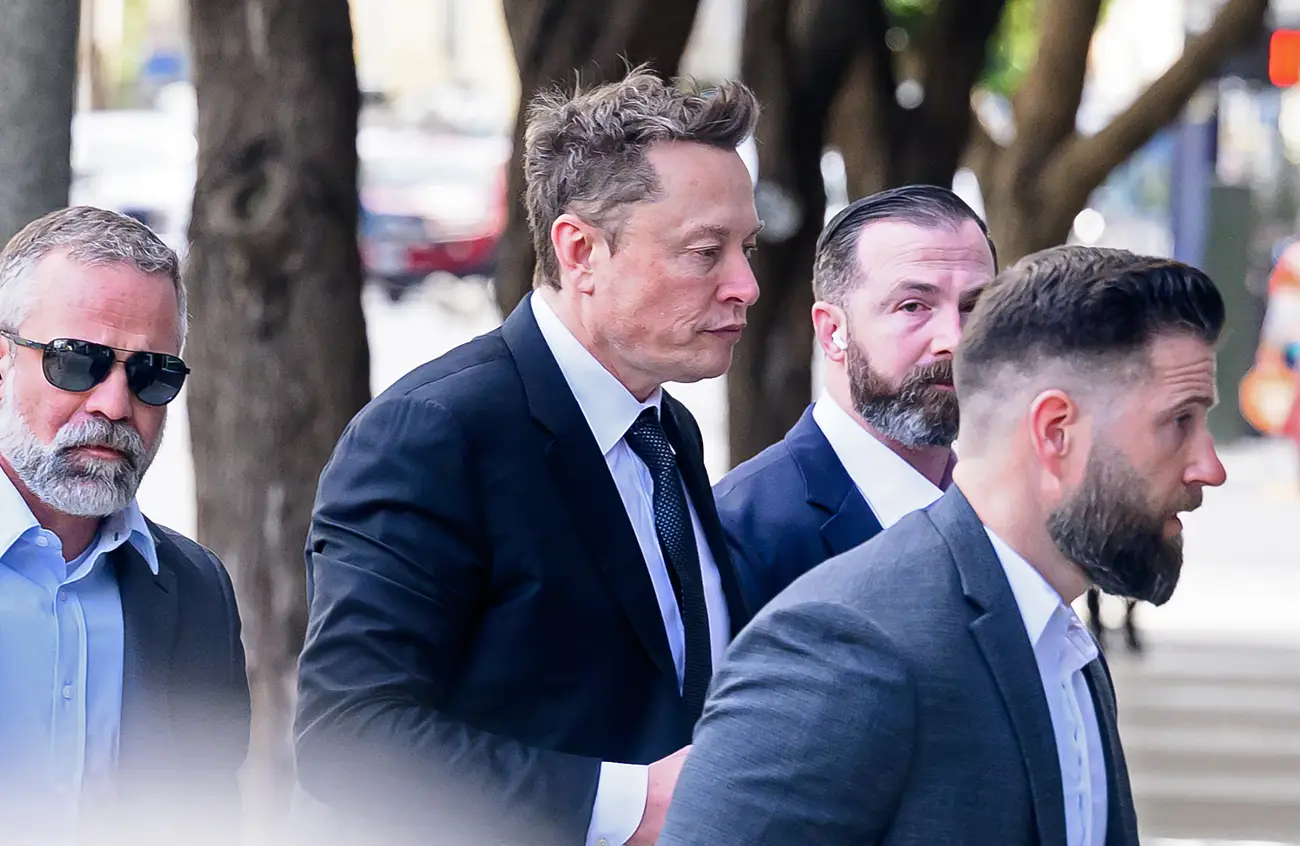
The courtroom drama wasn’t limited to testimony. Reporters outside the federal courthouse said Musk tried to frustrate photographers with what they called a “decoy” Tesla — a car that drew the cameras while an SUV slipped him into the building. Inside, the tone was terse at times: Musk often stuck to short answers early on, then complained his cross-examiner was trying to mislead the jury when questioning got tougher.
Other legal threads weave through the case. The Securities and Exchange Commission has sued Musk over disclosure rules tied to his stock position, and Musk has faced suits from former Twitter employees over pay and severance. During testimony, Musk also argued he felt boxed in by the prospect of losing a Delaware chancery court fight, which helped prompt him to close the deal at the original price — a point that could complicate privilege issues about what his lawyers told him.
On the stand, Musk was candid about his own posting habits.
“What I think privately is what I say publicly,” he said — a line that helps explain why his social-media life keeps ending up in court.
The trial is scheduled to continue through mid-March. For now, Musk is betting the jury will buy that his off-the-cuff posts were just that: off-the-cuff — not market manipulation. The investors arguing otherwise are hoping the jury sees a deliberate pattern and a payday to match.

The latest news in your social feeds
Subscribe to our social media platforms to stay tuned