





NBC News, PBS, Bloomberg, and Axios contributed to this report.
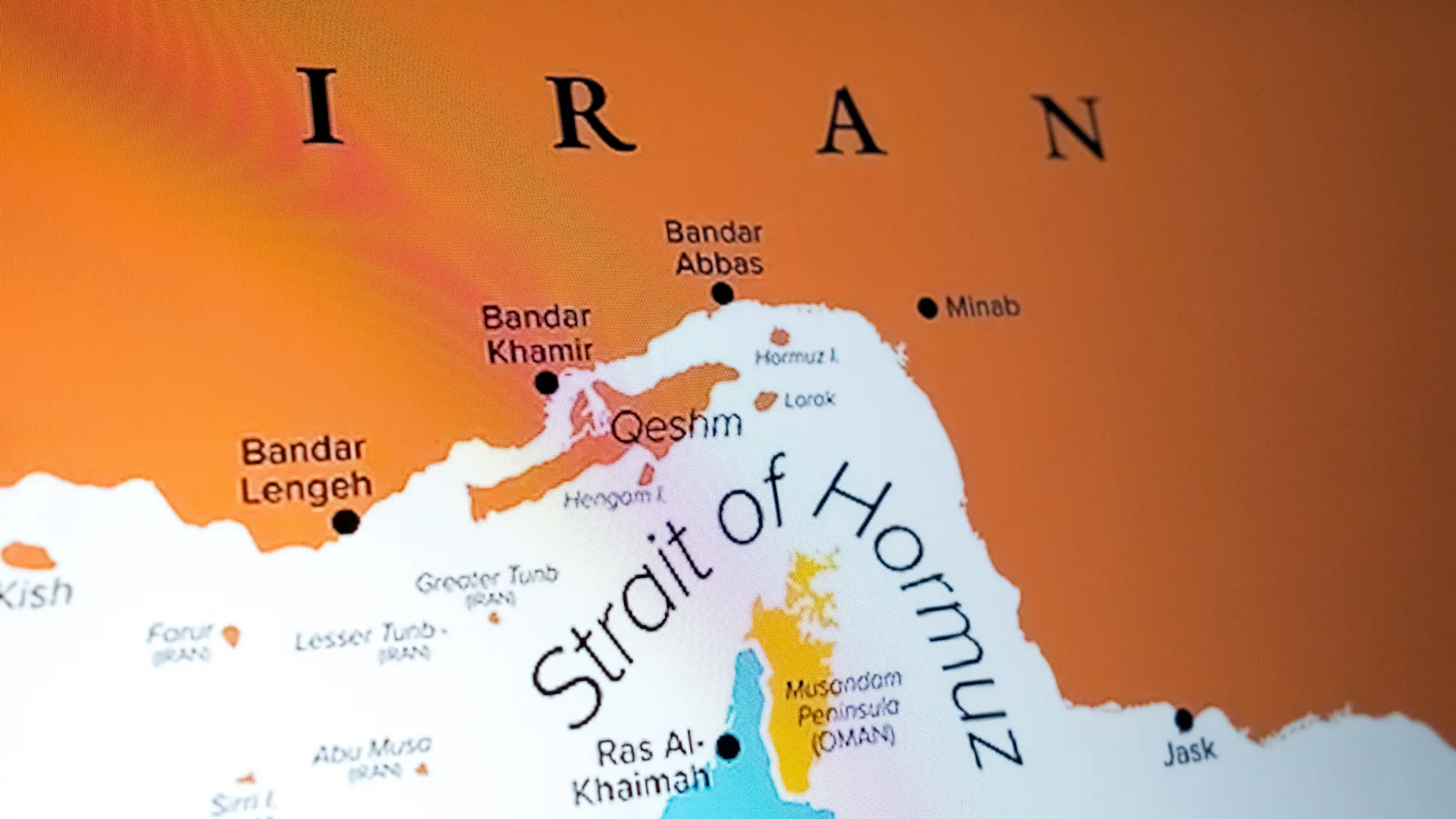
The short version: a spike-up in the US and Israel’s war with Iran has driven tanker traffic to a near halt through the Strait of Hormuz — a choke point that handles roughly a quarter of the world’s seaborne oil and a fifth of global LNG shipments. When that artery stops, the shockwaves hit pretty much everything shipped by sea: fuel, fertilizer, food, even some finished goods and medical gear.
This slice of water is a global supply-line multiplier. Trade analysts at Kpler say about 25% of maritime oil flows, 20% of liquefied natural gas flows, and roughly a third of fertilizer shipments (sulfur, ammonia and friends) go through there — plus big chunks of aluminum and sugar. Block those lanes and prices travel upward, fast. That means higher gasoline, pricier jet fuel, more expensive shipping for clothing and cookware, and pressure on hospitals that rely on imported kit.
An Iran Revolutionary Guard Corps commander warned the waterway was “closed” and said ships trying to pass would be set “ablaze.” That rhetoric, and US strikes on Iranian vessels intended to blunt Tehran’s control of the corridor, has pushed commercial operators to stop running the gauntlet. Big carriers like Maersk have suspended crossings; ship-tracking data from MarineTraffic showed tanker traffic plunging about 90% in days. Insurance brokers say war-risk cover is getting brutally expensive — one broker, Marsh Risk, noted premiums jumping from roughly 0.25% to 1.25% of a vessel’s value and still rising — and some insurers are pulling out completely.
President Donald Trump announced plans to offer political-risk insurance and said the Navy could escort tankers — a short-term fix for some routes. But military escorts can’t realistically protect every tanker, and rerouting around Africa or hauling cargo slower to avoid the gulf eats time and cash. Global shippers are already carving out exceptions for essentials like food and medicine, but the flow of most goods is squeezed.
Oil and gasoline jumped quickly after the conflict began. Brent crude moved from about $70.77 a barrel to roughly $81.73 in a short span, and pump prices in the US followed: the national average hovered near $3.19 per gallon after a rapid climb from under $3.00. Fuel analysts expect the pain to continue — Tom Kloza of Gulf Oil warned a national average of roughly $3.25–$3.50 could come soon, while data from the price app GasBuddy showed a swift one-week spike. Higher crude also pushes jet fuel and diesel up, which means costlier flights and more expensive trucking — a one-two punch for supply chains.
This isn’t just about fuel. Fertilizer flows are a big worry: Veronica Nigh from the Fertilizer Institute says nearly 30% of global ammonia production and roughly half of global urea is “involved or at risk” because of the disruption. Some Gulf producers are cutting output after strikes on facilities — for example, a Qatar Energy unit, QatarLNG, reported production hits — and that tightens supplies and raises input costs for farmers. Expect fertilizer prices to push up farming costs for corn, soy, wheat and cotton; those increases eventually show up in grocery bills.
Portfolio managers are warning this could matter fast. Hakan Kaya of Hakan Kaya wrote that markets can stomach a short slowdown, but a near-full closure that drags on a month or longer could shove crude into triple digits and blow European gas back toward the 2022 crisis peaks. That kind of energy-driven inflation risks forcing central banks to keep rates higher for longer — the kind of stagflation scenario nobody wants — which would hurt growth and make mortgages and loans more expensive (mortgage rates were already nudging back up).
Shipping lines and logistics firms are rerouting, anchoring, or delaying sailings; insurers are lifting premiums or refusing cover; ports are preparing for congestion. Trade groups like BIMCO warn naval escorts only go so far: protecting every tanker would demand an unrealistic number of warships.
Nobody knows for sure. Energy-market analysts say short disruptions of a week or two are manageable; inventories and alternative flows can absorb the shock. But the longer the closure, the deeper the ripple: higher fuel, pricier farm inputs, costlier shipping, delays in consumer goods and medical supplies, and a real risk of inflation re-accelerating.
This is no regional problem anymore. A jam in that narrow waterway translates into higher pump prices, pricier flights, and sharper costs for food and many imported goods. Policymakers can try naval escorts, insurance backstops and emergency reserves, but the clean fix — getting the Strait moving safely again — is political, not logistical. If you’re watching budgets, travel plans or supply chains, treat the next month or two like a stress test.



The latest news in your social feeds
Subscribe to our social media platforms to stay tuned