


EXCLUSIVE: Part 2 – Fuel squeeze pushes Cuba deeper into crisis as regional aid struggles to keep pace


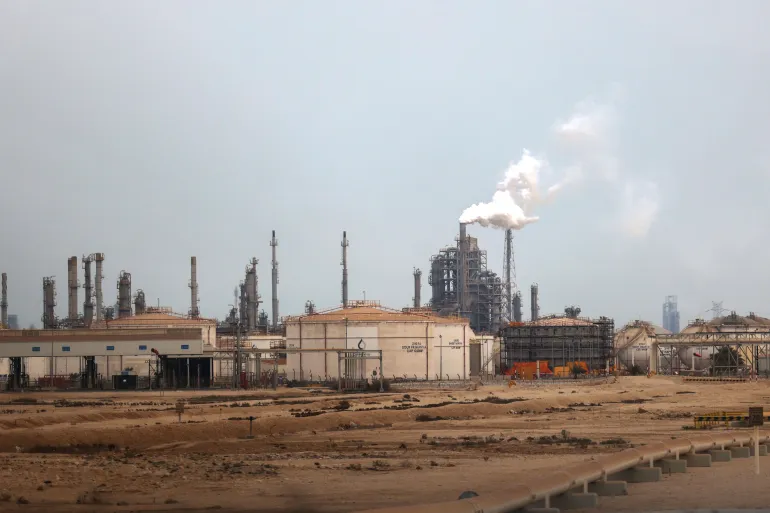
Caribbean governments have promised humanitarian assistance to Cuba as the island confronts a rapidly worsening energy shortage. But the emerging consensus among analysts and observers is that relief shipments alone cannot offset the deeper structural shock created by Washington’s tightening oil restrictions.
The crisis is unfolding against a backdrop of escalating US pressure. In late January, President Donald Trump declared Cuba an “unusual and extraordinary threat to the U.S.” and used emergency powers under the International Emergency Economic Powers Act to threaten punitive tariffs on countries supplying oil to the island. Although the US Supreme Court later invalidated the tariff mechanism tied to that declaration, the national emergency itself remains in place and could still serve as the basis for additional sanctions.
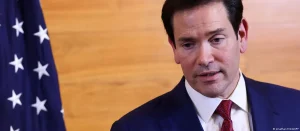
The policy push has been closely associated with Secretary of State Marco Rubio, who has openly argued that political change in Havana would benefit Washington. Speaking during a Senate Foreign Relations Committee hearing earlier this year, Rubio said:
“I think we would like to see the regime there change.” He added that it would be “a great benefit to the United States if Cuba was no longer governed by an autocratic regime.”
The consequences of that pressure campaign have been increasingly visible on the ground. The US military operation in Venezuela earlier this year severed crucial oil deliveries from Caracas, historically Cuba’s primary supplier. Washington has also threatened economic penalties against third countries that ship fuel to the island, sharply narrowing Havana’s remaining supply lines.
According to analysts at a recent briefing on the situation, the resulting shortages are now hitting the core of Cuba’s infrastructure. One speaker noted that US measures “are pushing the country toward a humanitarian crisis,” explaining that restrictions have targeted state entities operating the island’s energy grid, which relies on oil for more than 80 percent of national electricity generation.
Even partial workarounds have proved fragile. Mexico, which had become Cuba’s largest alternative supplier after Venezuelan deliveries declined, halted shipments under US pressure. There have also been reports that vessels carrying fuel to the island have been intercepted by US forces, though no detailed legal framework has been publicly articulated for such actions.
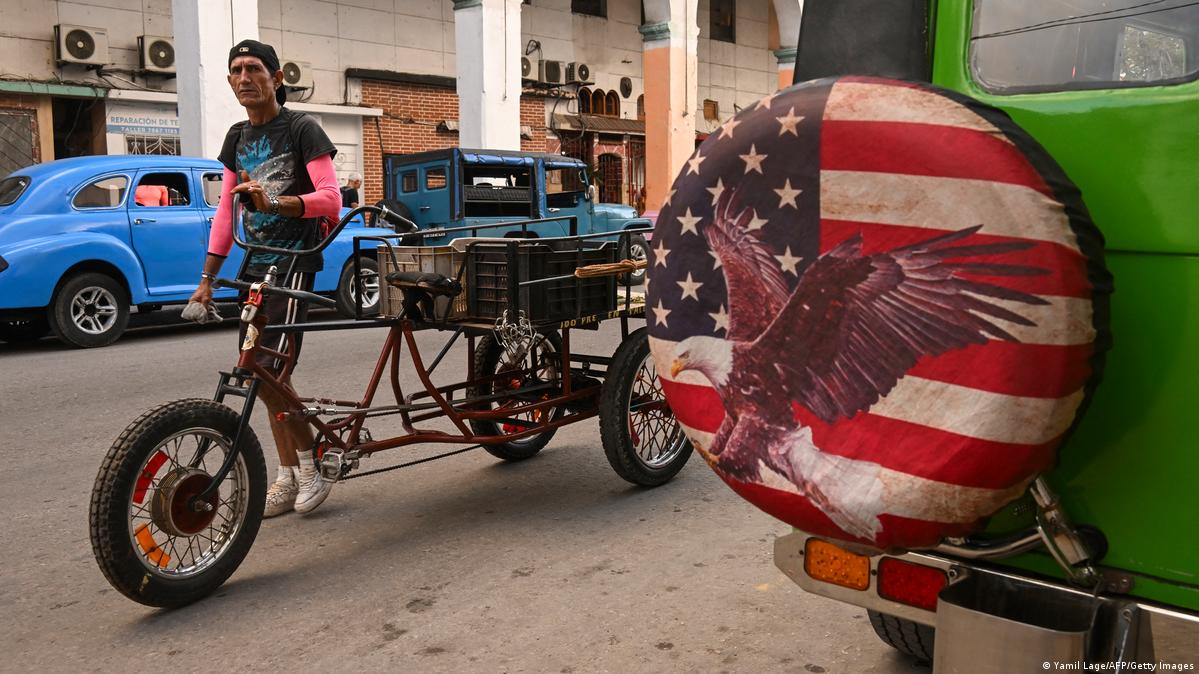
For Cuban society, the impact has been immediate and tangible. Historian Sara Kozameh, who recently returned from field research in eastern Cuba, described a country adapting to life with electricity available only in brief intervals.
“Cubans aren’t sleeping well. They’re waking up at midnight and 3 a.m. when the power comes on for a block of three hours to get to the kitchen and cook for the day, to make coffee, rice, charge their devices, and do laundry,” she said during the briefing.
The energy shortage has spilled into every part of daily life. In cities where cooking gas has not been delivered for months, residents are burning firewood even in densely populated neighborhoods. Bread factories in Guantánamo have switched to wood fuel, while garbage is burned in streets and on nearby hills, filling residential areas with smoke. Because Cuban homes are rarely airtight, the pollution quickly spreads indoors.
Healthcare has also been affected. Kozameh reported shortages of essential medicines and described how electricity outages disrupt the refrigeration of medical supplies and the functioning of basic services. Telecommunications networks are similarly strained.
“So you can try making a call, but it just won’t go through,” she said, explaining that local towers often lack the fuel needed to run generators when the power grid fails.
Political scientist Rafael Hernández, speaking from Havana during the same discussion, argued that the policy’s immediate effect is not political collapse but mounting hardship for the population.
“I want to make a difference between the question of collapse and the question of making people suffer. These are two different things,” he said.
He suggested that the assumption underlying Washington’s strategy — that severe economic pressure will trigger political concessions — has repeatedly proven ineffective.
“The rationale of pushing Cuba to its breaking point… has proved counterproductive for the US goals in the past,” Hernández said, adding that tightening sanctions has historically reinforced Cuban nationalism rather than weakening the government.
The humanitarian dimension of the crisis has prompted concern across the Caribbean. At a recent summit of the Caribbean Community, leaders pledged to send aid to Cuba in the coming weeks. Yet those efforts face an unavoidable limitation: relief shipments can help households survive shortages, but they cannot replace the oil needed to keep the island’s electricity grid and transport systems functioning.
That gap has been noted by longtime US–Cuba analyst William LeoGrande of American University. The underlying issue, he argues, is that humanitarian assistance can only stabilize the margins of a crisis driven by energy deprivation.
“Humanitarian aid is important, but it is just a bandaid if no one dares to ship oil to Cuba,” LeoGrande said in commentary to The Wyoming Star on the unfolding situation.

The latest news in your social feeds
Subscribe to our social media platforms to stay tuned