

Hormuz Choke: Trump’s Gas Promise in the Crossfire — Strait of Hormuz

With input from the New York Times, CNBC, CNN, and France 24.
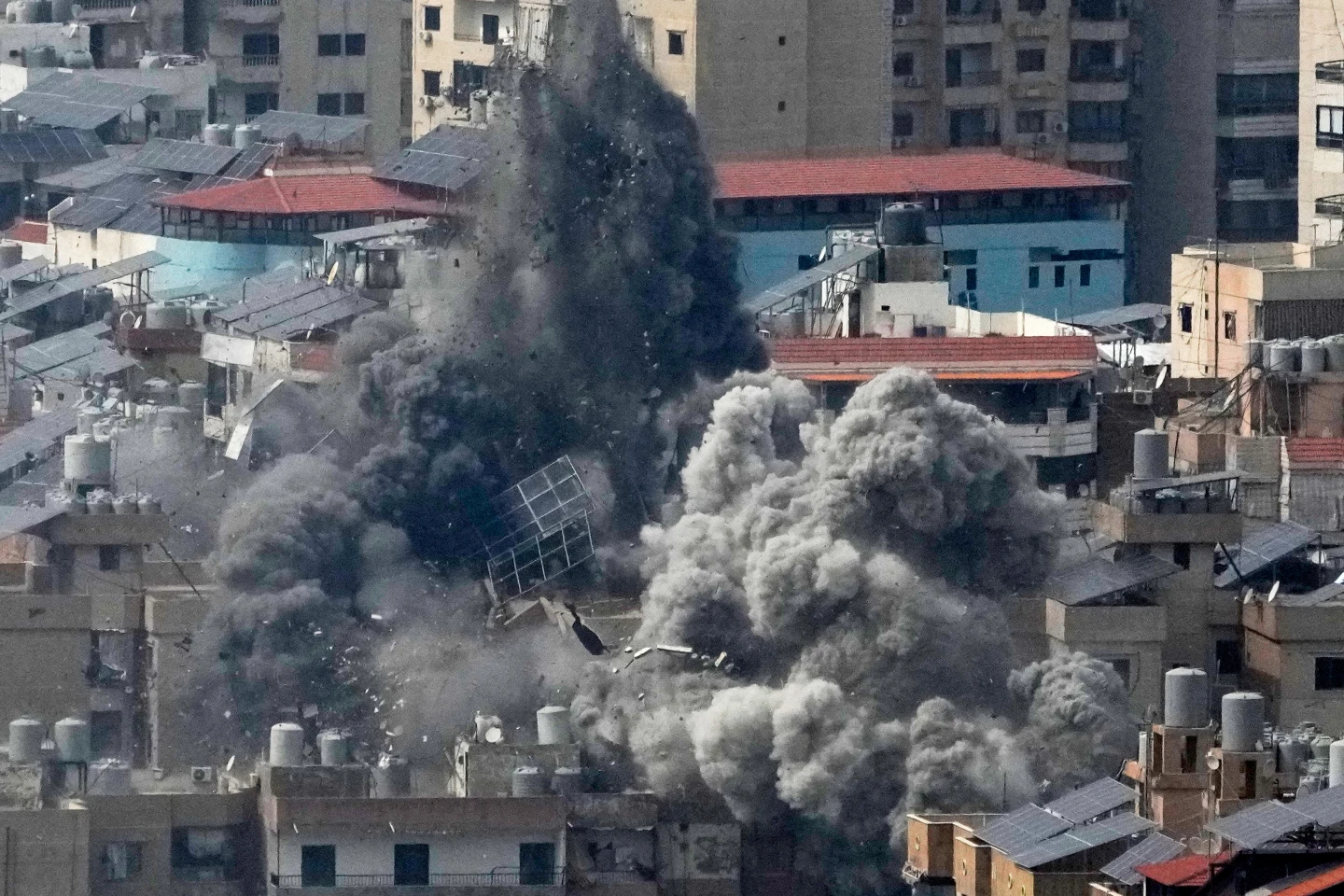
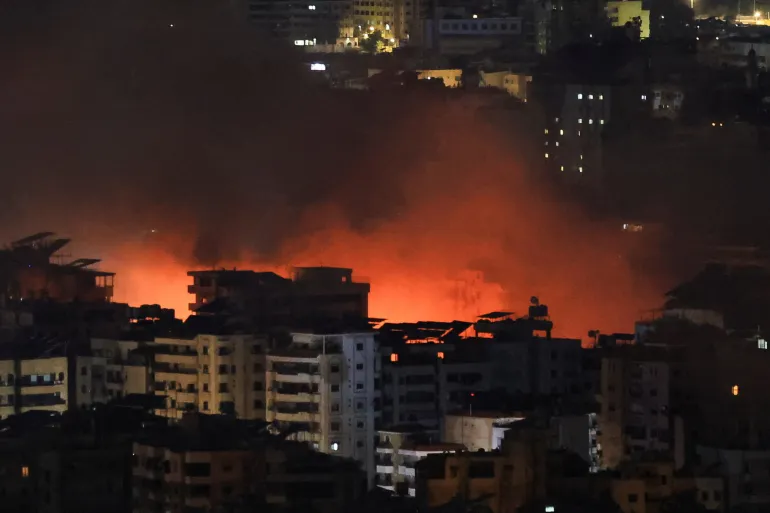
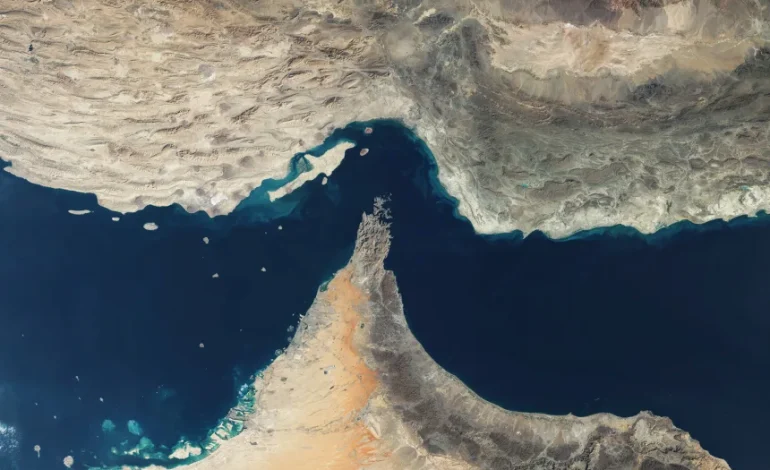
President Trump ran on lower prices at the pump. Now, with the war on Iran snarling the Middle East and tankers stuck in the Gulf, that pledge looks like it’s getting chewed up by rising oil and shipping chaos.
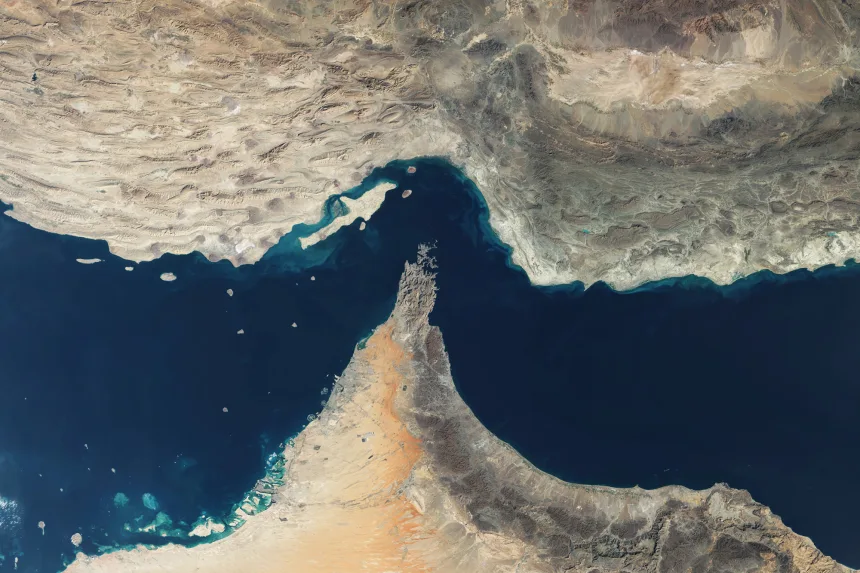
Here’s the deal in plain terms: the Strait that normally funnels a huge chunk of the world’s oil is basically frozen — hundreds of ships are sitting idle — and that’s already pushing crude and pump prices higher. The admin says it can fix this: offer naval escorts, government-backed insurance, even intervene in futures markets. Trump has promised the US Navy will escort tankers and calm markets.
But people who actually move oil aren’t convinced. A lot of ship owners won’t run their crews or cargo through an active combat zone, insurance or no insurance. And even if you could get escorts going, there just aren’t enough warships to clear the backlog fast. The math is brutal: normal daily flows would take ages to unwind with convoys and minehunters needed to make safe lanes.
Analysts point to the practical risks — mines, drones, small-boat attacks and precision strikes — that mean naval protection helps only so much. A coalition of European navies is being talked about, and leaders like Emmanuel Macron have signaled willingness to help secure routes, but mounting a sustained operation would be complicated, slow and politically fraught.
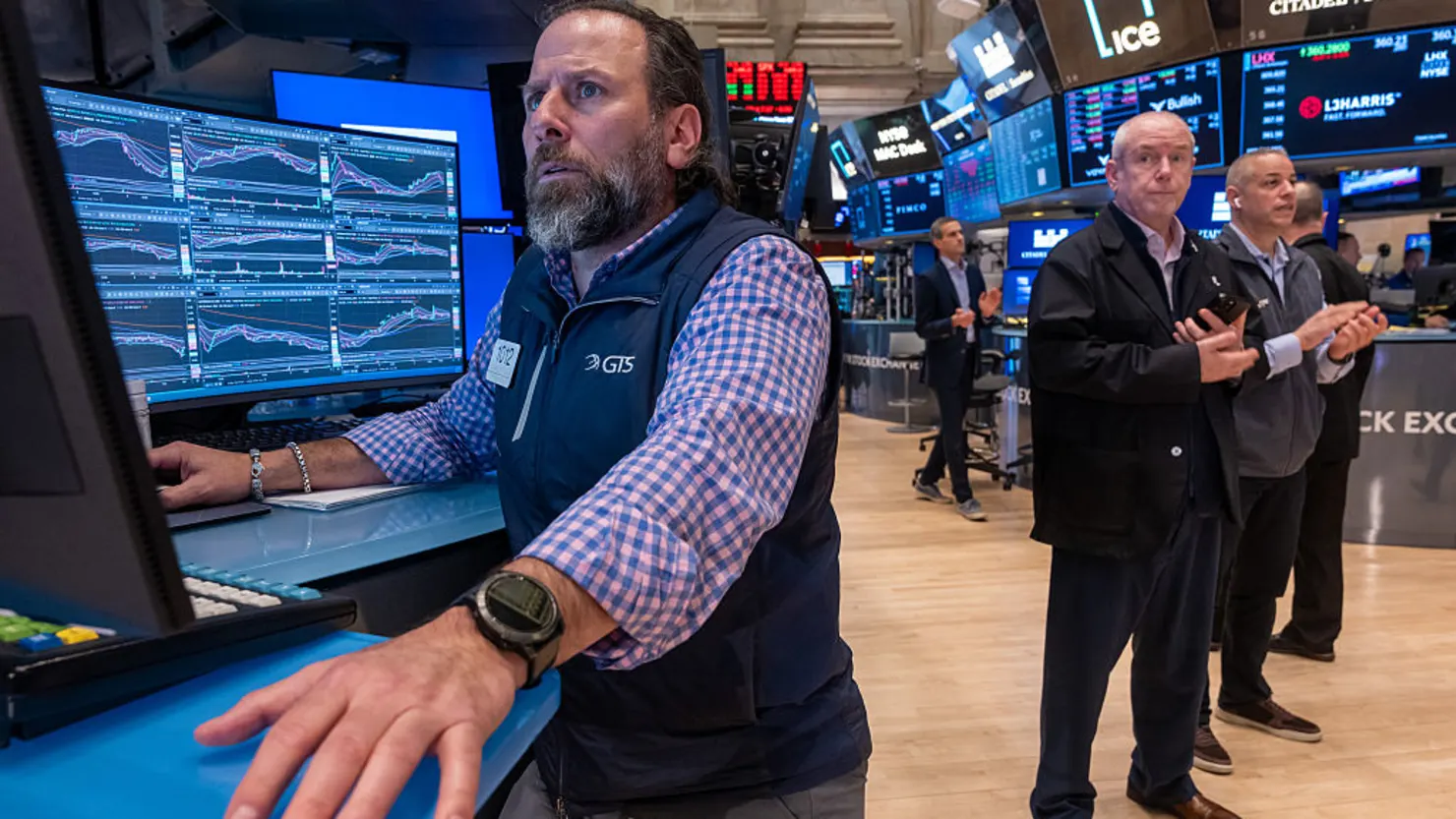
Data firms are flagging the pressure: Kpler and others warn that if the Strait stays blocked, oil storage and flows will be strained and prices could jump sharply — a direct hit to consumers and a headache for Trump, who’s already leaned on low energy costs as part of his economic message.
On the ground, seafarers and port bosses say it’s not about money — it’s about safety. Even if Washington can get a few tankers through, most lines won’t risk their crews without a clear, sustained lull in attacks. That leaves the president with a political choice: escalate to reopen trade routes, or ride out higher pump prices and a grimmer midterm backdrop.
Promises to bring down prices look vulnerable while Hormuz is closed. Escorts and insurance are headlines — not instant fixes — and unless the fighting eases, the cost will be paid at gas stations and in grocery carts. Want this tightened to a social-post or a short explainer on what $100 oil would mean for everyday budgets? Which one — social or explainer?


The latest news in your social feeds
Subscribe to our social media platforms to stay tuned