


Israel Pounds Beirut — Thousands Flee, Iran Hit and Trump Doubles down

With input from the New York Times, Bloomberg, Al Jazeera, Axios, Politico, the Financial Times.
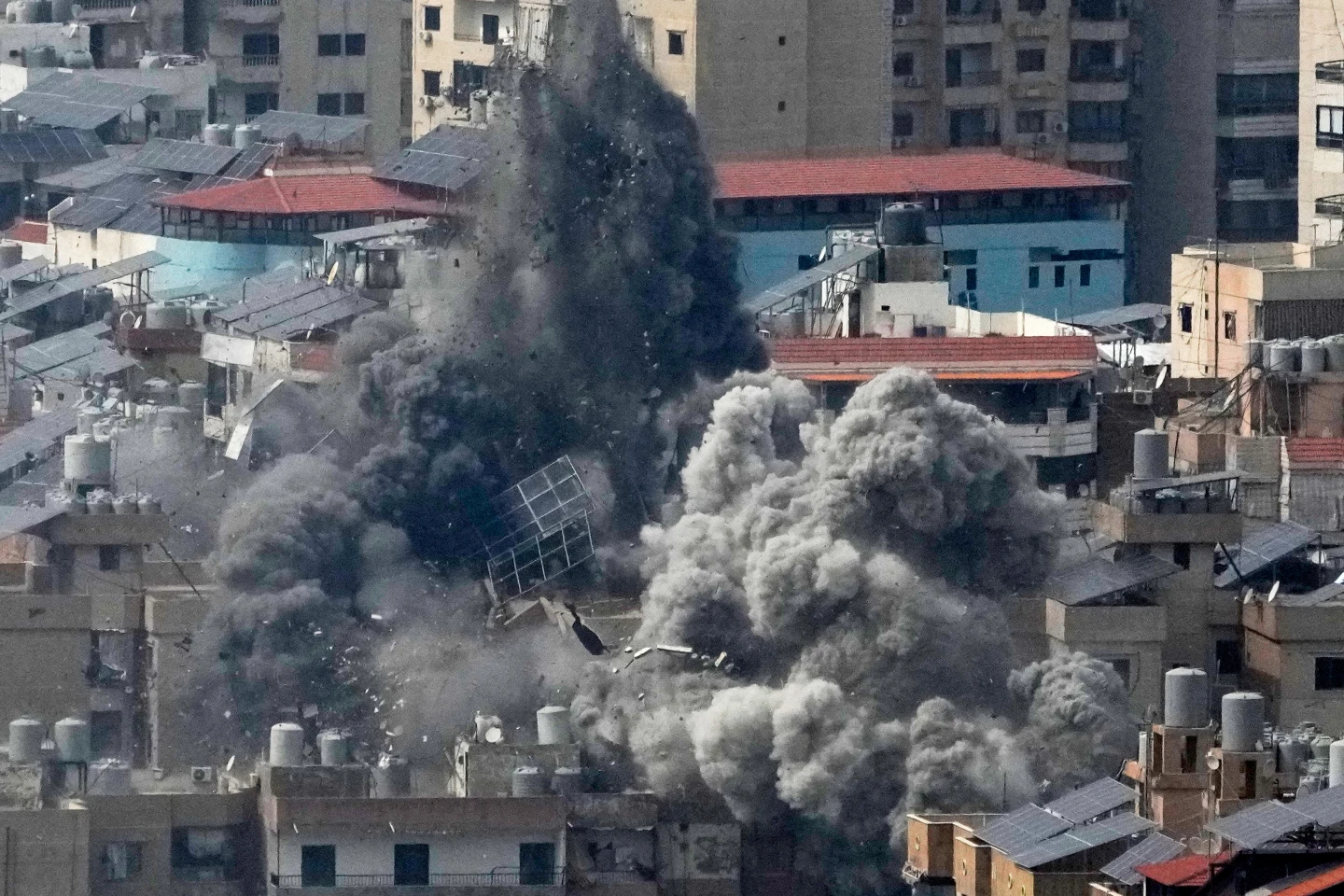
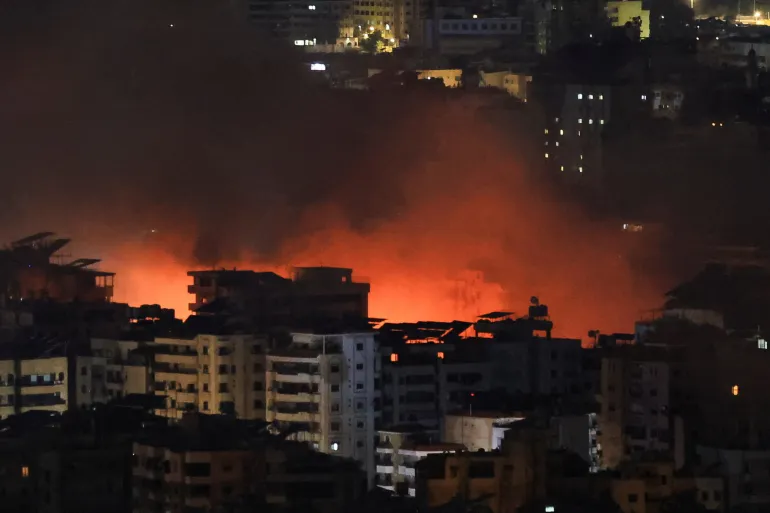
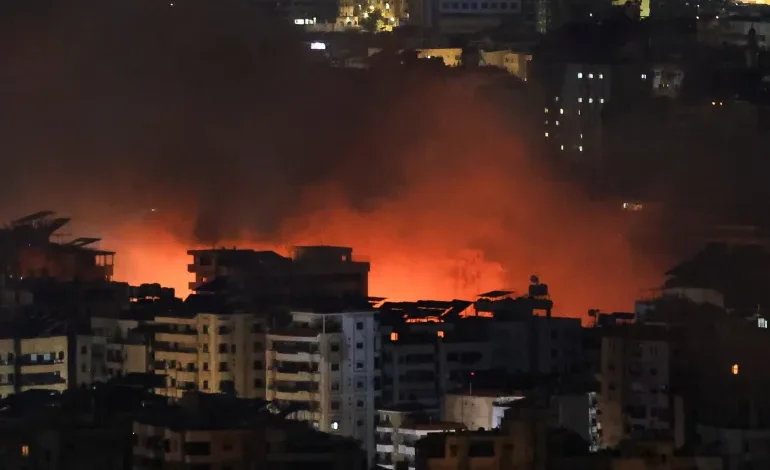
Israel’s jets hammered Beirut’s southern suburbs in what locals say were the heaviest strikes since last year’s fight with Hezbollah, sending thousands scrambling north and out of the city as buildings collapsed and families abandoned homes with only a few belongings. The strikes focused on Dahiya, a dense commercial and residential district long linked to the militia.
The Israeli military also said it carried out strikes on targets in Iran as Tehran’s forces — the Islamic Revolutionary Guard Corps — launched waves of drones and missiles toward Israel, triggering air-raid sirens across the country. Israeli officials released footage claiming attacks on an underground bunker tied to Iran’s late supreme leader.
Hezbollah replied with rockets and drone attacks across the border, and the fighting has left hundreds dead and many more wounded across Lebanon and Iran. Lebanon’s hospitals and aid groups describe a fast-growing humanitarian emergency as tens of thousands flee — some sleeping in cars, under overpasses or on beaches after forced-displacement warnings for Beirut’s southern suburbs.
On the political front, President Donald Trump made his stance plain on social media: “there will be no deal with Iran except UNCONDITIONAL SURRENDER,” a line that removes obvious diplomatic off-ramps and risks prolonging the conflict.
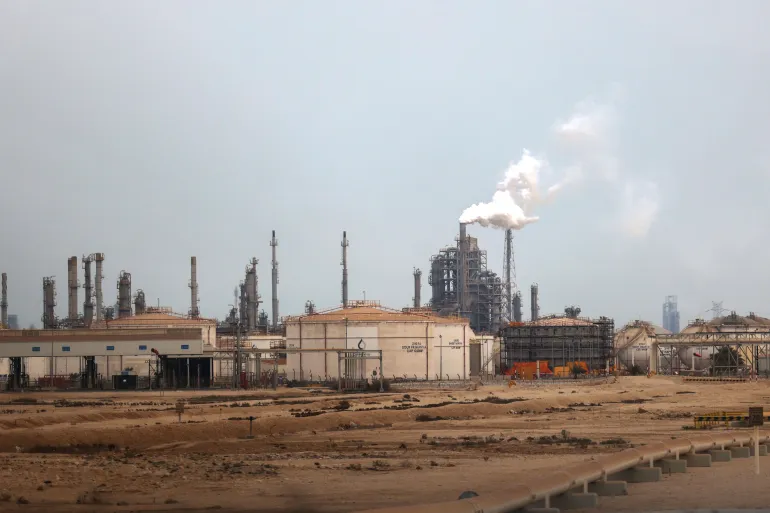
The strikes have already hit symbolic and civilian sites — Tehran reported strikes on parts of the capital and areas near the late supreme leader’s compound after his killing — and Iran’s leadership is moving to name a successor. The atmosphere is tense, with regional capitals scrambling to protect infrastructure and civilians while markets and energy desks watch the Strait of Hormuz nervously.
Bottom line: Beirut’s suburbs are emptied, the front lines have widened, and the political signal from Washington looks like it could lengthen the fight. Civilians are paying the price now — many millions are watching to see whether the war will stop or spiral further.
Want this tightened into a 3-line push alert or a short explainer that breaks down who’s who and what’s at stake? Which one — alert or explainer?



The latest news in your social feeds
Subscribe to our social media platforms to stay tuned