




Jet-fuel Shock: Summer Tickets Look Set to Get Pricier


BBC, CNBC, the Wall Street Journal contributed to this report.
A dramatic jump in jet-fuel costs has the aviation world squirming — and passengers could feel it in their wallets this summer, with analysts warning of higher fares and even possible cancellations.
Supply routes from the Gulf were badly disrupted after recent US and Israeli strikes on Iran, sending north-west European jet fuel from about $830 a tonne to well over $1,500 in days — the sharpest spike since 2022.
The trouble is geographic: roughly half of Europe’s aviation kerosene comes from the Gulf, much of it shipped through the Strait of Hormuz. With tanker movements curtailed, markets have scrambled and prices have soared.
Not every carrier is equally exposed. Low-cost carrier Wizz Air has already warned the crisis could lop about €50m off its yearly profit, saying fuel is a major culprit.
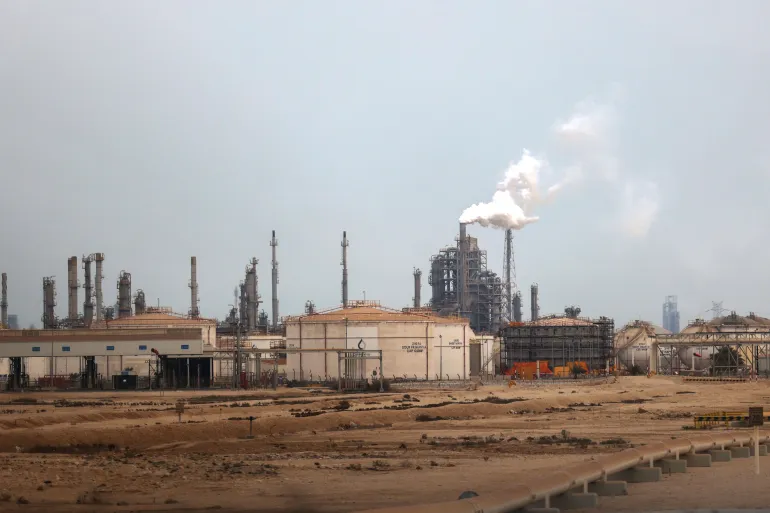
Middle Eastern refineries play an outsized role in the math: the Al-Zour complex in Kuwait alone supplies a big chunk of Europe’s jet fuel, according to market trackers — which helps explain why prices have nearly doubled in places. Al-Zour refinery Energy Intelligence.
Fuel typically makes up 20–40% of an airline’s operating bill, so a spike like this bites. Many European carriers hedged some of their fuel months ahead — that’s why some airlines say they’re insulated in the short term — while a number of big US carriers largely stopped hedging and are therefore more exposed to a fast rise in pump prices. The move away from hedging could leave American airlines scrambling if the spike lasts.
Industry watchers point out a grim practical risk: even airlines that bought price protection may still face physical shortages if alternative supply routes can’t make up the shortfall. That tightness could force production cuts at refineries and leave operators hunting for fuel — a recipe for cancellations and delays if the Strait disruption lingers.
At the front lines, carriers and bosses are already talking about the impact. United Airlines boss Scott Kirby said the spike will have a “meaningful” hit on quarterly results and warned that any knock-on to fares could arrive quickly. Demand, he added, has so far been resilient.
What this means for travellers: expect pressure on prices as airlines try to protect margins — particularly if the fuel squeeze lasts into the spring and summer booking window. Consumer experts say people with existing tickets shouldn’t see surprise fuel surcharges added after purchase, but new bookings made as the market stays hot are likely to cost more.
In short: if the Strait reopens and supplies normalise, prices could fall fast. If not, the industry — and your holiday budget — is in for a rough few weeks.



The latest news in your social feeds
Subscribe to our social media platforms to stay tuned