

A Wyoming bill that would have rewarded whistleblowers with a cut of penalties against those who defraud the government died in committee Monday, but supporters say they’ll bring it back in 2027 after more work.
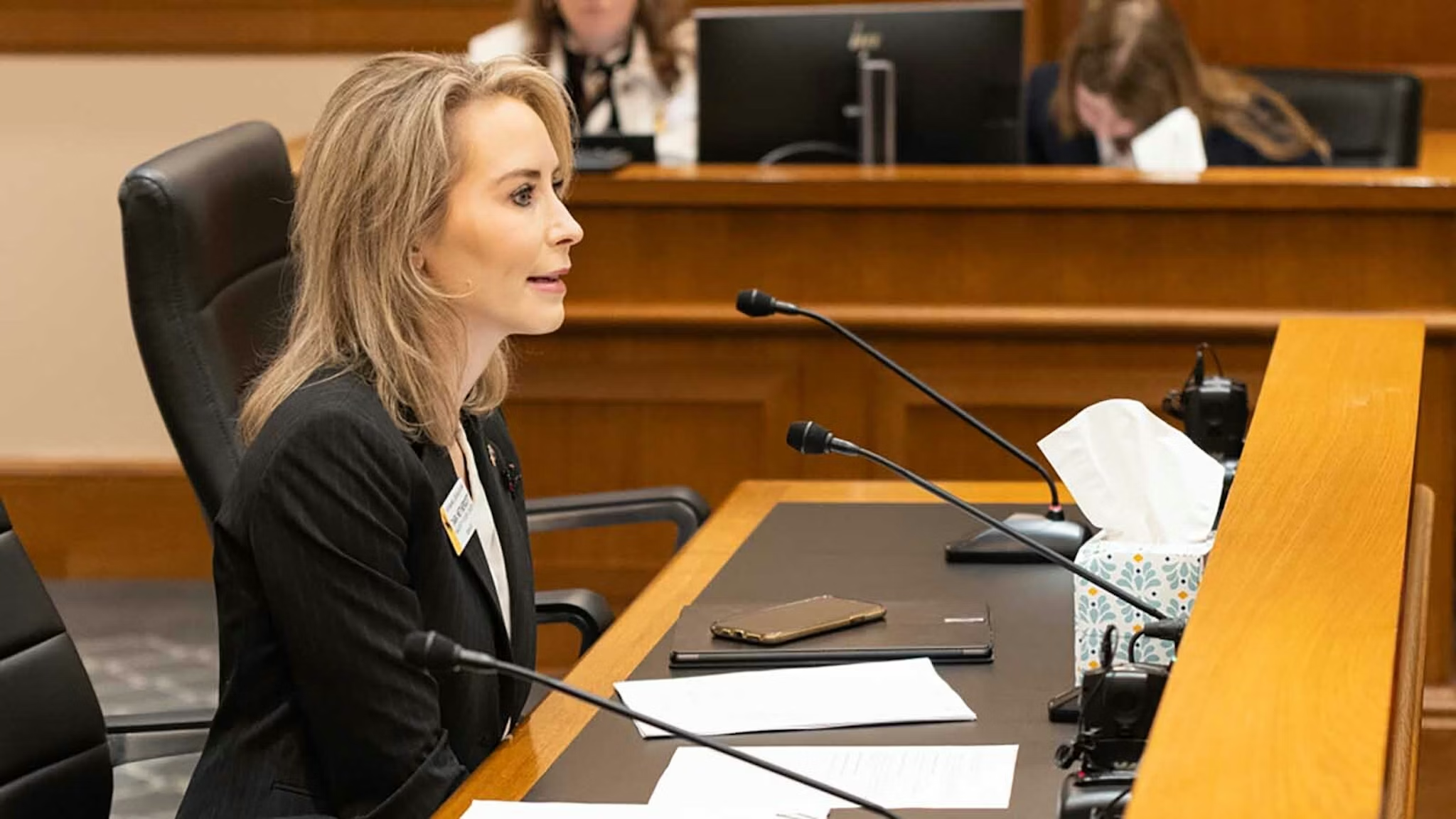
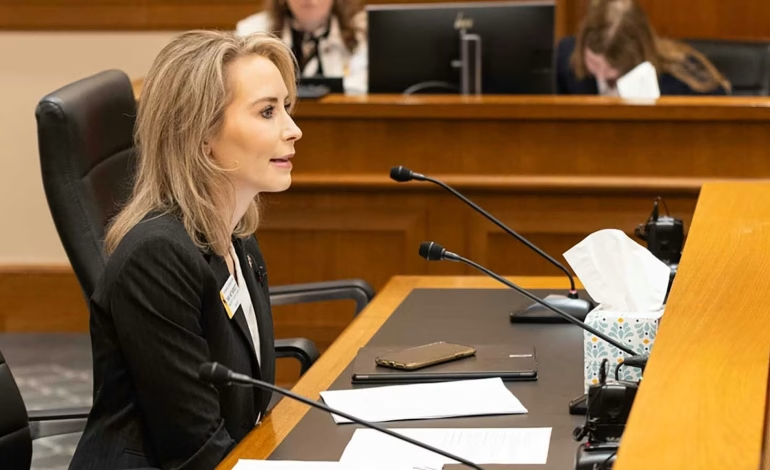
Senate File 92, sponsored by Sen. Tara Nethercott, R-Cheyenne, would have created a False Claims Act allowing private individuals to sue on the state’s behalf and receive 15% to 25% of recovered funds. Nethercott said reports of widespread fraud in Minnesota prompted the bill, adding that while she knows of no specific Wyoming cases, “if you don’t think some of this type of conduct hasn’t occurred … we are maybe a bit naïve.”
The House Judiciary Committee voted 5-3 to table the bill on the last day for committee action. Rep. Ken Chestek, D-Laramie, who moved to kill it, said he “loves the concept” but needs more time to get it right. “I want to do it right, and I think there’s a lot of work to be done,” he said.
Opponents called it a “bounty” system. Cary Silverman of the American Tort Reform Association warned it would deputize private individuals with law enforcement power and create “extraordinary threat of liability,” potentially forcing businesses to settle regardless of merit. He argued the bill’s triple-damages provision could add up to hundreds of millions.
Nethercott pushed back, saying the bill requires whistleblowers to notify the attorney general first and penalizes frivolous cases. She also noted 16 other states and the federal government have similar laws.
The bill would have covered a wide range of fraud, from false claims for payment to knowingly paying the state less than owed and conspiring to defraud. It carved out exceptions for workers’ compensation, sales tax, Medicaid and other areas where fraud remedies already exist.
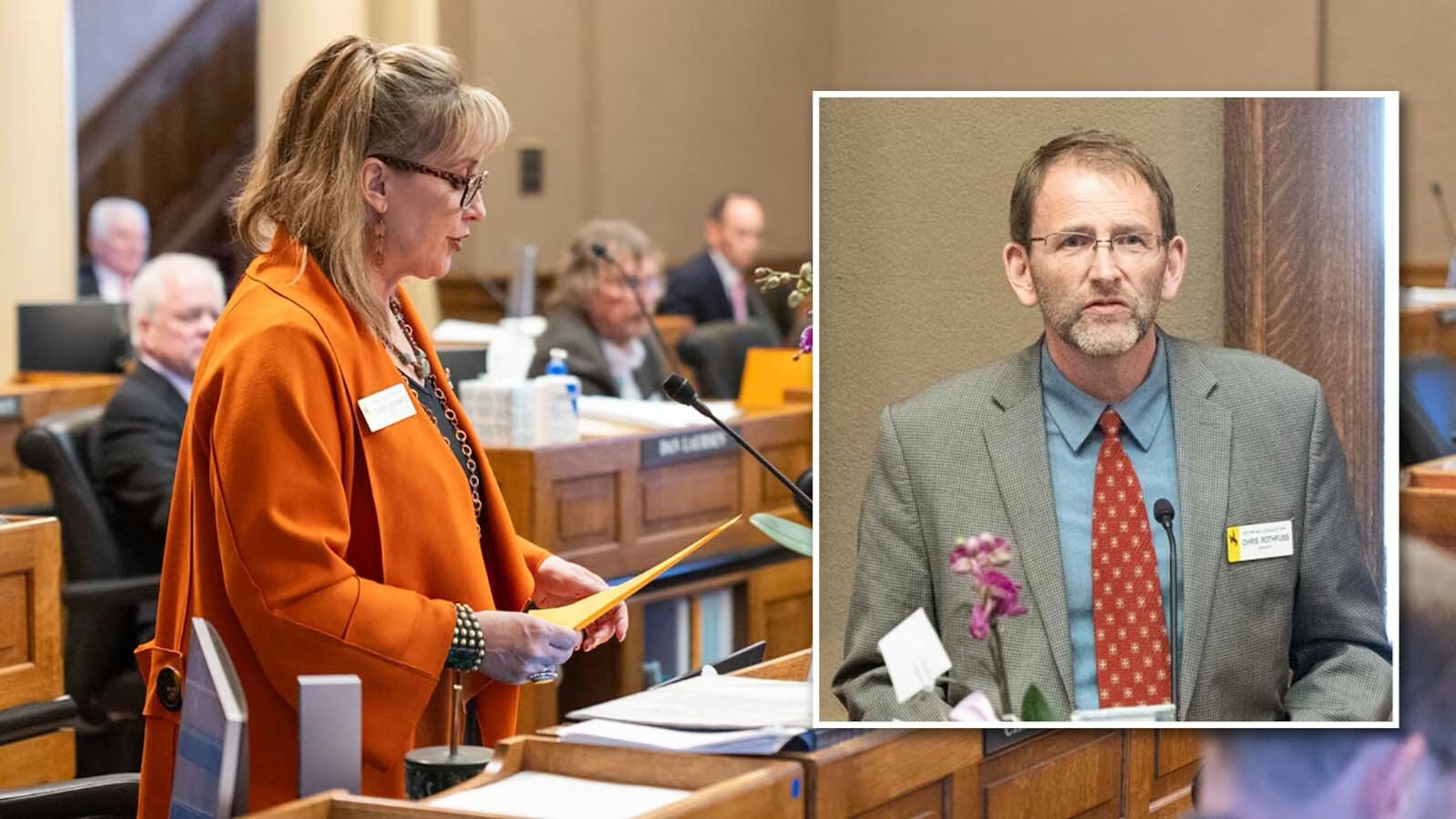
Rep. Jayme Lien, R-Casper, joined Reps. Daniel Singh, R-Cheyenne, and Chair Art Washut, R-Casper, in voting to keep the bill alive. They were outnumbered by Republicans Marlene Brady (Green River), Laurie Bratten (Sheridan), Lee Filer (Cheyenne), Joe Webb (Lyman) and Chestek.
Nethercott said the bill’s incentive structure would force hidden fraud into the open. She described a hypothetical employee who learns her company is cheating the state: armed with inside information, she’d be incentivized to act because of promised rewards and whistleblower protections.
The bill could return in the 2027 general session.



The latest news in your social feeds
Subscribe to our social media platforms to stay tuned