



Gas at the Pump is Biting again – up 17% since the Strikes

The New York Times and Axios contributed to this report.
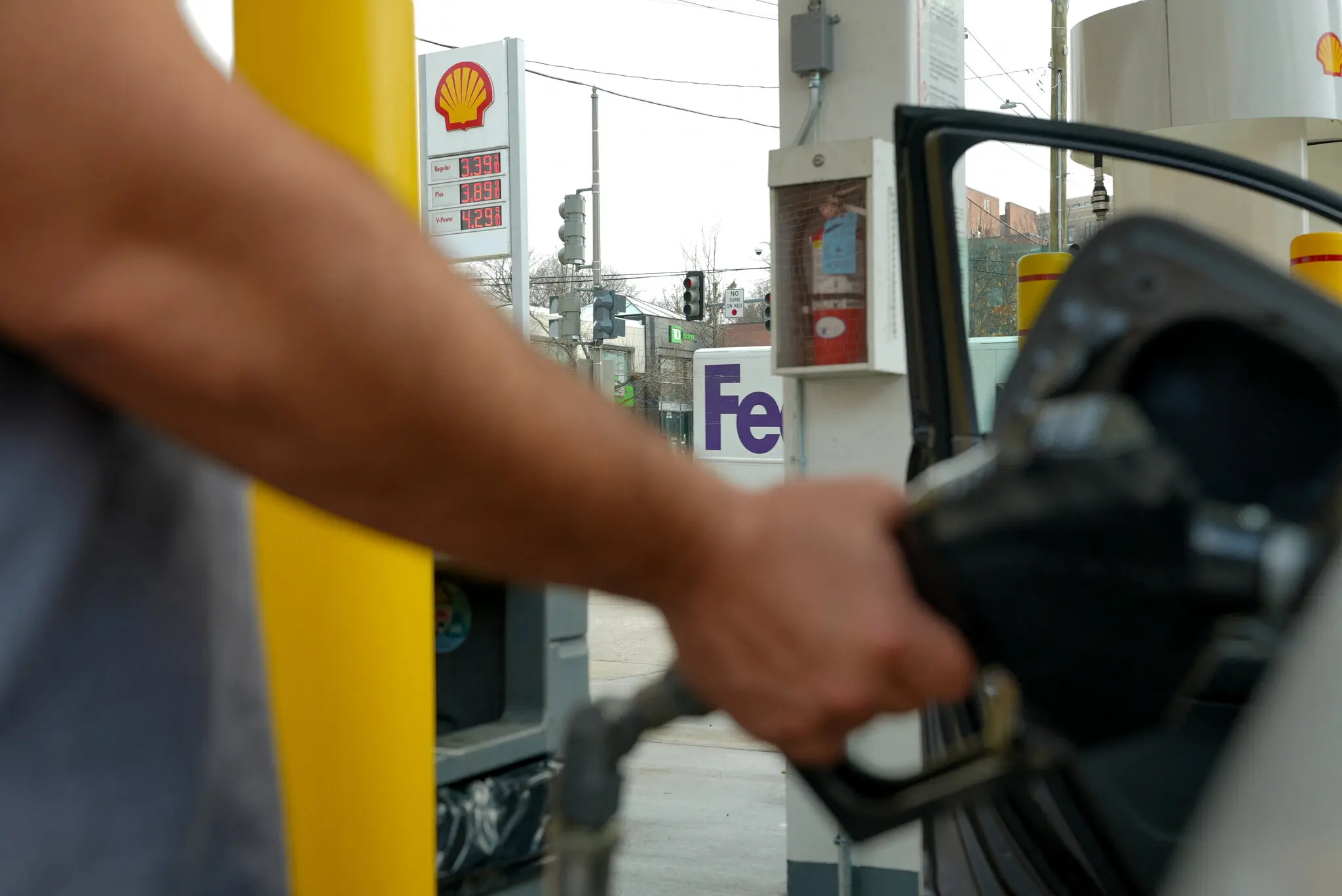
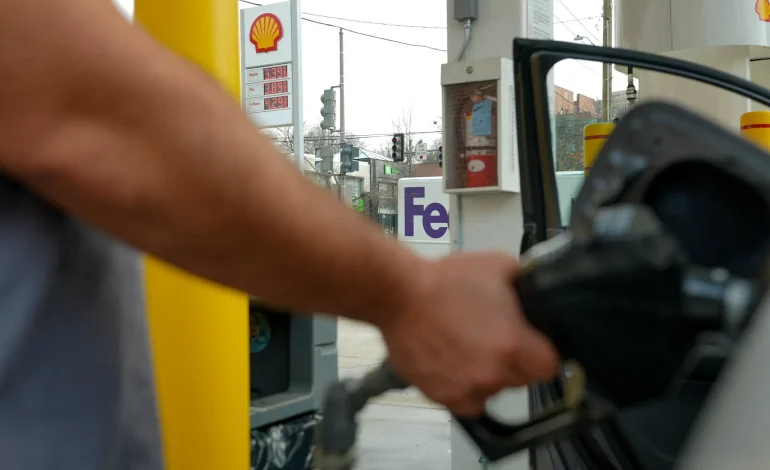
Gas prices jumped on Monday as the Middle East fighting kept sending oil higher – and drivers are feeling it.
The average price of a gallon of regular in the United States hit $3.48, per AAA (American Automobile Association) – roughly 17% higher than when the first US-Israeli strikes on Iran kicked off on Feb. 28. Crude spiked past $100 a barrel as attacks intensified, and that jump filters into everything that runs on oil – from jet fuel to truck diesel.
The tankers that normally haul Gulf crude aren’t moving, choking off roughly a fifth of global seaborne oil flows through the Persian Gulf. Oil makes up about 60% of the pump price, so when crude zooms, refineries pay more and pass that cost down the chain. Expect station prices to keep climbing for a few days to a week after oil moves.
Not everyone pays the same. State-by-state spreads are wild: drivers in California averaged about $5.20 a gallon, while folks in Kansas were at roughly $2.92. Locally, Nashville hit $3.01 on Sunday – up from a December low of $2.58.
If the Gulf stays tense, expect more upward pressure at the pump. Short tips if you’re gnashing your teeth at the register: combine errands, keep tires inflated, and use cruise control on highways – tiny moves that add up when prices are volatile.



The latest news in your social feeds
Subscribe to our social media platforms to stay tuned