



Oil Blows past $100 as Middle East War Tightens the Chokehold

With input from Al Jazeera, the New York Times, Reuters, Bloomberg, CNBC, and the Financial Times.
Oil ripped higher Monday as the fighting in the Middle East sent traders into full panic mode — and global markets got dragged along for the ride.
Crude moved in wild swings: benchmark Brent at one point topped $119 a barrel after jumping more than 20%, before settling around $110, while US futures also pierced the triple-digits. The surge was driven by fears that the sprawling conflict will keep oil flowing through the region frozen for weeks or longer.
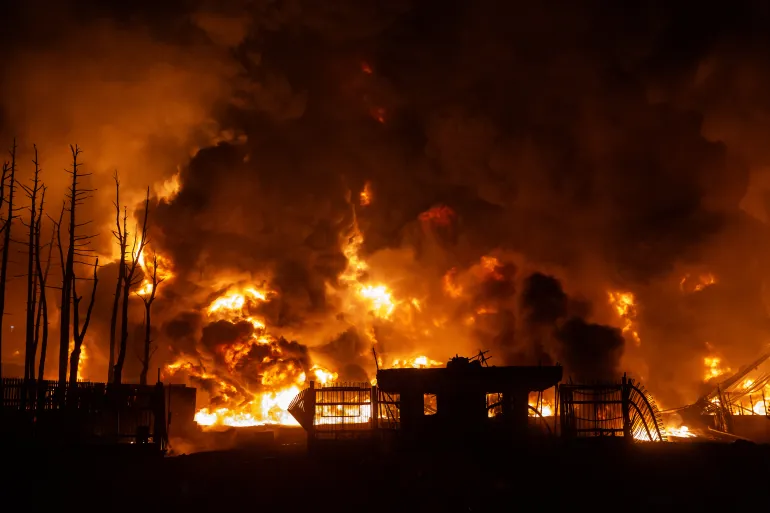
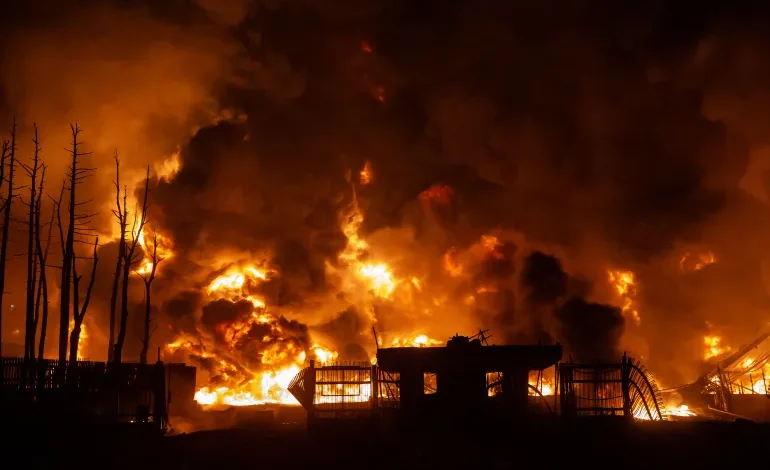
The immediate problem is that tanker traffic through the Strait of Hormuz has all but stopped, choking off roughly one-fifth of global seaborne oil. Producers in the region — including Iraq, United Arab Emirates and Kuwait — have already cut output as storage fills up, and analysts warn Saudi Arabia could be next if the strait stays closed. Iran and allied forces have also been striking energy infrastructure, and Israel and the United States have hit back — including strikes on oil depots.
That cocktail of shutdowns and attacks has market veterans fretting.
“There is no precedent for this — the sky is the limit,” said Neil Atkinson, underscoring just how ugly a prolonged closure could get.
Qatar’s energy minister warned prices could hit $150 a barrel if the disruption continues, and Iran’s forces even threatened a $200-per-barrel scenario if strikes persist. (Saad al-Kaabi commented to media.)
Policy makers scrambled for fixes. Finance chiefs from the G7 planned emergency talks about tapping strategic reserves, coordinated with the International Energy Agency. Still, many economists say releases can only blunt a shortfall temporarily if production stays shut. The International Monetary Fund notes that a sustained 10% oil price jump typically lifts inflation by about 0.4 percentage points and shaves global growth by roughly 0.15 percentage points — the macro risk here is real.
Markets reacted fast: Asian and European stocks plunged, US futures slid, and government bond yields ripped higher on the fear that surging energy costs will rekindle inflation and slow growth. Energy stocks and the dollar were the few winners as traders priced in a longer, costlier conflict.
Bottom line: this is more than a headline spike. If the Strait stays effectively closed and more Gulf producers shut in, we’re looking at a prolonged energy shock that could reshape inflation, interest-rate bets and economic forecasts — not just for a few days, but for weeks or months.



The latest news in your social feeds
Subscribe to our social media platforms to stay tuned