

CNBC, the New York Times, the Financial Times, BBC, CNN, AP, and Bloomberg contribute to this report.
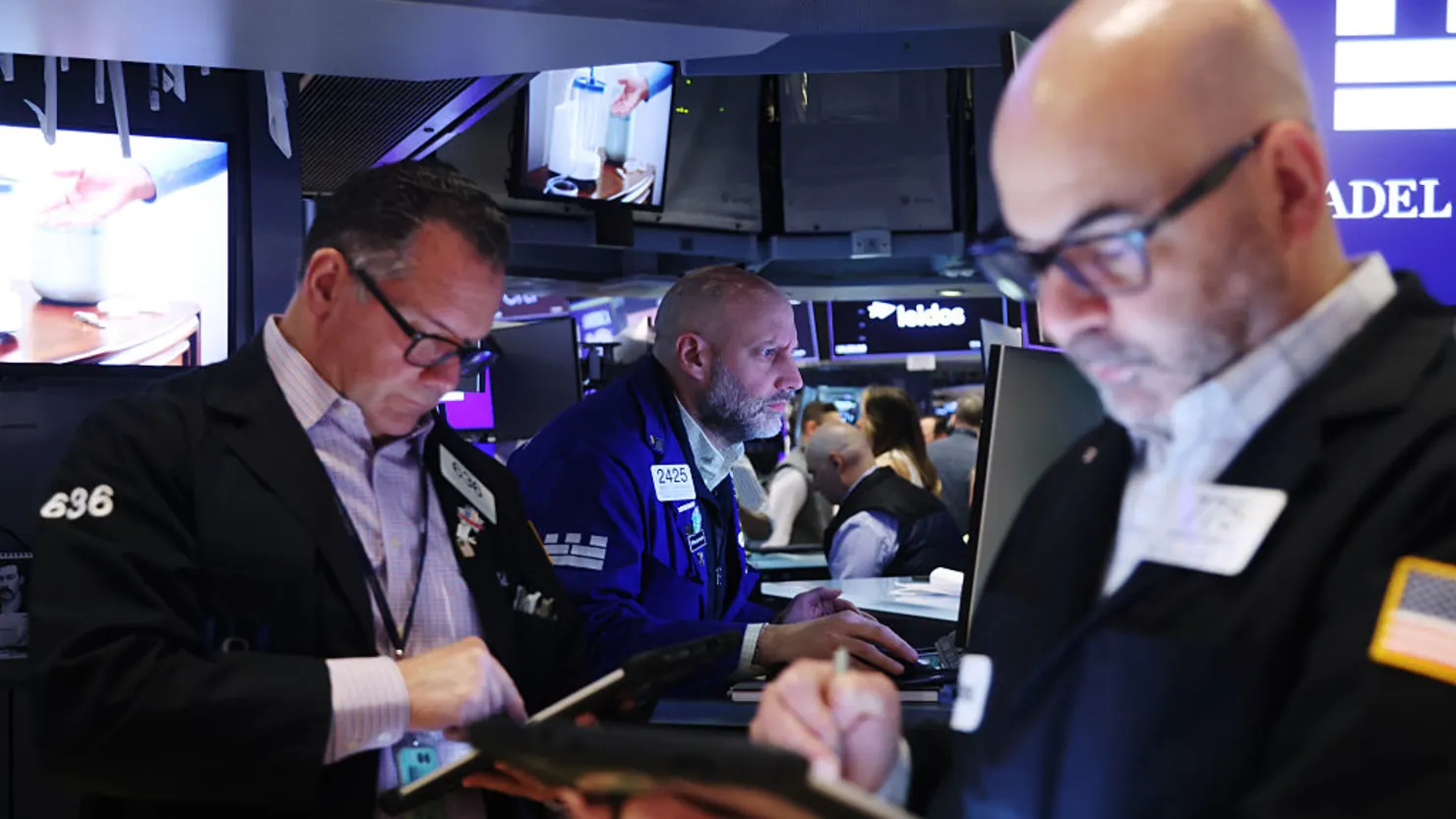
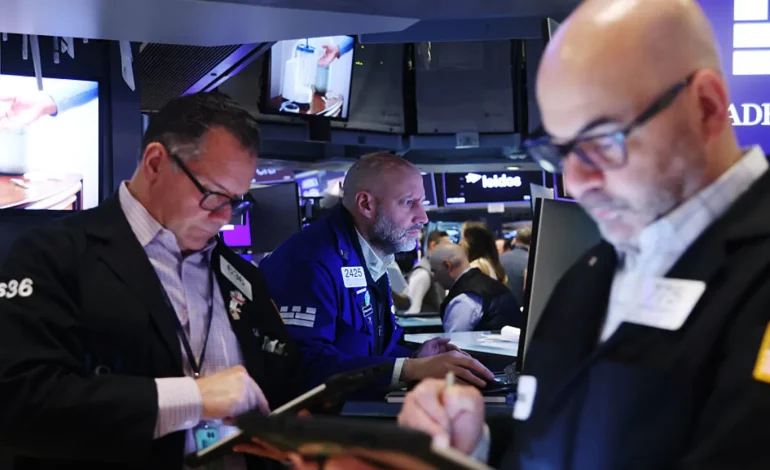
Stocks swung wildly Monday as oil’s roller-coaster ride — from nearly $120 a barrel to under $100 — shoved investors into panic mode, then into a cautious buy-the-dip mood. The Dow ended the session roughly 469 points lower (about 1%), having been off nearly 900 points at its worst. The S&P 500 was down about 0.6% and the Nasdaq slipped roughly 0.3% after deeper morning declines.
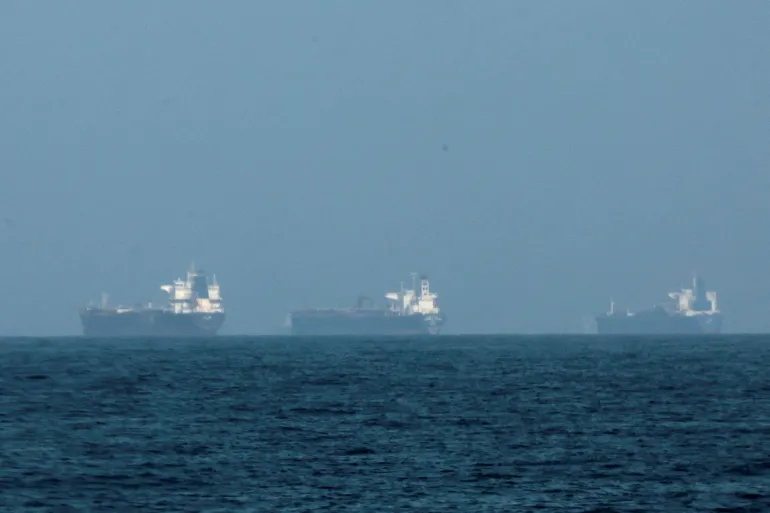
Why the chaos? The market’s fear is easy to name: the US-Israel war with Iran has choked shipping through the Strait of Hormuz, forced major Gulf producers to cut output and sent oil into territory not seen since 2022. At one point over the weekend WTI spiked past $119, and Brent flirted with the same heights. By midday Monday crude had eased back — US oil was trading in the mid-$90s and Brent around $99 — but the memory of the surge was enough to rattle traders.
Some quick color on what moved the tape today:
• Chips helped salvage the market. Semiconductor names bounced: Broadcom rallied more than 3%, Micron and AMD rose a couple percent each, and Nvidia eked out a gain. That burst of buying pulled the broader indexes off their worst levels.
• Energy and defense were the usual winners. Big oil names ticked up, and defense contractors climbed as investors priced in a longer kinetic conflict.
• Cruise lines and airlines got hit hard. Higher fuel costs are a direct profit squeeze: Carnival tumbled, United and other carriers fell, and cruise stocks were some of the day’s worst performers.
• Small caps suffered most. The Russell 2000 was among the laggards, proving sensitive to higher input costs and a potential growth slowdown.
• Volatility shot up. The VIX — Wall Street’s fear gauge — spiked into the 30s, hitting its highest levels since last spring’s tariff scare.
What policy makers are doing: G7 ministers have been scrambling — finance and energy officials held talks about releasing strategic oil reserves to blunt the shock, though any release was described as tentative. Meanwhile, Treasury yields traded a hair lower after last week’s jump; the 10-year sits around ~4.13%, leaving rates in focus if inflation fears stick.
Why this matters: A sustained oil shock is the classic recipe for stagflation — higher inflation paired with weaker growth.
“If the oil shock persists, the Fed’s dual mandate would be stuck between the increasing risk of higher inflation and rising unemployment,” warned Ed Yardeni, a longtime market strategist.
Traders are now wrestling with two ugly scenarios: rising prices that force central banks to stay tight, or an economic slowdown that tips markets into a deeper selloff.
Market mood swings were loud and fast: futures plunged Sunday night after the oil spike, then stocks pared losses as traders bought beaten-up names and chip stocks led a rebound. Still, the overall tone is risk-off: safe-haven flows have supported the dollar and cranked up demand for Treasurys when fear flares.
What to watch next:
Oil flow through Hormuz. As long as tanker traffic stays disrupted, expect more whipsawing in commodities and in anything that eats fuel.
G7 coordination. Any firm plan to tap reserves or coordinate supply would calm markets; vague talk won’t.
Economic data and Fed talk. Another shock to energy prices would complicate the Fed’s path and could push yields and policy expectations around quickly.
Bottom line: Monday was a reminder that geopolitical shocks still move markets violently — but also that a few big sector pushes (semiconductors, energy, defense) can undo a lot of the damage if the narrative shifts even slightly. For now, investors are sitting on edge: hoping oil calms down and bracing for the economic fallout if it doesn’t.



The latest news in your social feeds
Subscribe to our social media platforms to stay tuned