



Oil Spike Leaves Markets — and Trump — with a Nasty Choice

With input from the Daily Beast, the New York Times, and Fortune.
A sudden jump in oil prices has rattled stocks and bonds, pushed inflation risks back onto traders’ front pages and put fresh political heat on the White House.
Here’s the short version: crude popped back up after fighting around Iran and the near-shut stop of tanker traffic through the Strait of Hormuz tightened flows. Brent flirted with the nearly-$120 mark before settling above $100, gas and diesel prices spiked in the US, and investors started dialing down bets on Fed rate cuts this year — from two to about one.
Markets felt it fast. Stocks opened weaker across Asia, Europe and the US, banks, airlines and travel names were hit hardest, and the 10-year Treasury yield crept above 4.17% as investors scrambled to price in higher inflation and slower growth. Veteran strategist Ed Yardeni warned this could push the odds of a big market drop higher — and he’s not alone in fretting about a 1970s-style stagflation remix.
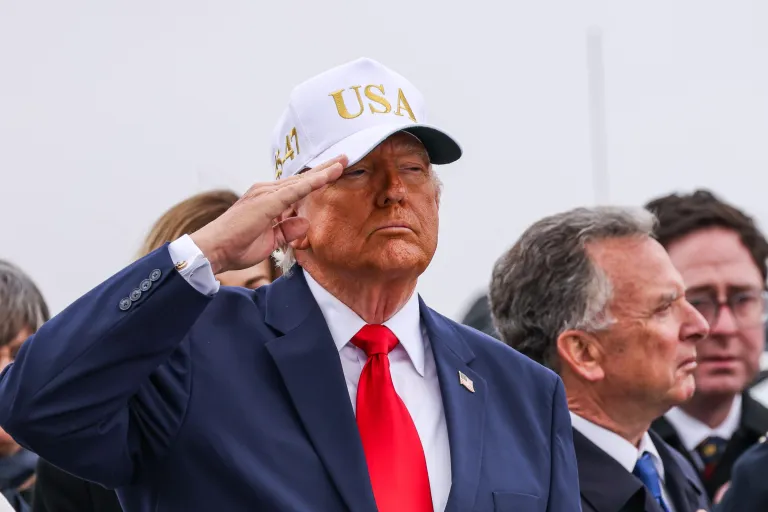
That’s the investor side. On the political side, the spike is a headache for Donald Trump: higher pump prices bite voters quickly, and Democrats are already framing the rise as another affordability problem tied to the administration’s actions. Mr. Trump has pushed back — calling short-term increases “a very small price to pay” — but relief at the pump is the kind of thing that affects midterm moods in a hurry.
A few other threads to watch:
- Supply moves: Iraq, Kuwait, the UAE — and reportedly Saudi Arabia — have trimmed output as tanker traffic stalls. That choke point has real global consequences: shipping and food costs look vulnerable if the disruption drags on.
- Policy response: Finance officials from the G7 were expected to talk about coordinated oil-reserve releases to calm markets. That’s a blunt tool but not a guaranteed fix.
- Geopolitics and strategy: China’s hand could shift too — Beijing could use the distraction to press trade and energy deals, and big banks are thinking about what a longer conflict means for portfolios and M&A pipelines. JPMorgan’s strategists (and others) still model a short timeline as their base case, but plenty of pros warn the paths forward are multiple and messy. Expect more caution in deal rooms and fewer risk-heavy bets for now. (Yes, that means some M&A and private-credit moves may pause.)
This shock is a textbook policy dilemma — do you lean into force to try to end the disruption and risk escalation, or do you absorb higher prices while hoping supply returns? For markets and for the White House, neither option looks tidy. Investors who lived through other geopolitical oil shocks remember how fast the ripple effects can spread — and how long the hangover can last if the supply squeeze sticks around.



The latest news in your social feeds
Subscribe to our social media platforms to stay tuned