



Trump Signals Continued Pressure on Cuba Amid Iran War

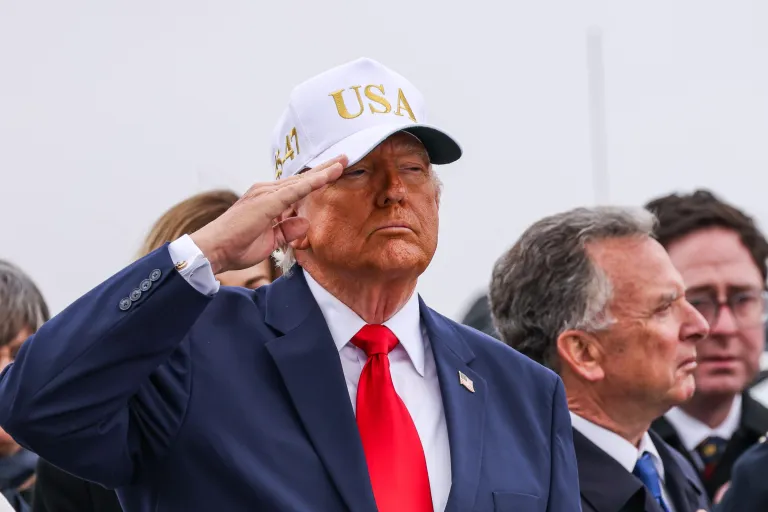
US President Donald Trump has indicated that his administration remains focused on pursuing political change in Cuba, even as the United States and Israel continue their military campaign against Iran.
Speaking to reporters in Florida on Monday, Trump said the State Department was actively dealing with the situation on the island and suggested that Washington could ultimately take control of the country through what he described as “a friendly takeover”.
US Secretary of State Marco Rubio is “dealing” with Cuba, the president said, describing the country as facing severe economic hardship.
“He’s dealing [with it], and it may be a friendly takeover, it may not be a friendly takeover. Wouldn’t really matter because they’re really down to … as they say, fumes. They have no energy, they have no money,” Trump said.
“They are going to make either a deal or we’ll do it just as easy, anyway,” he added.
Trump’s remarks came as the war between the United States, Israel and Iran entered its second week, drawing Washington’s foreign policy focus toward the Middle East while tensions remain active elsewhere.
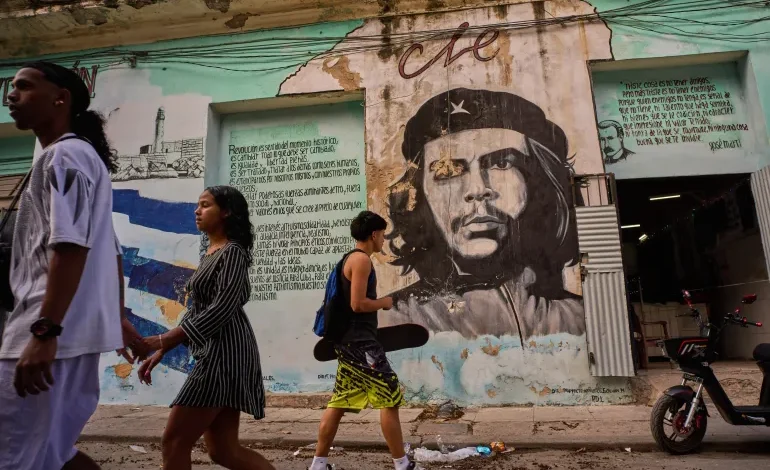
Cuba, meanwhile, has been struggling with a worsening energy crisis since early January. The situation intensified after US forces removed Venezuelan President Nicolas Maduro from power and halted fuel exports from Caracas to Havana, cutting off one of Cuba’s most important sources of oil.
The loss of Venezuelan fuel shipments has deepened economic pressure on the island, which has long depended on imported oil to sustain its energy system.
White House officials have suggested that the Cuban government is approaching a point of economic collapse and may be prepared to negotiate with Washington. Trump has repeatedly argued that Havana’s leadership is ready to reach an agreement.
According to reports in US media, the administration believes the country’s economic difficulties are creating conditions that could force political change.
Cuban officials, however, have rejected claims that high-level negotiations are taking place. The government has denied being engaged in formal talks with Washington, although it has not explicitly ruled out reports of informal discussions involving Raul Guillermo Rodriguez Castro, the grandson of former Cuban president Raul Castro.
The renewed focus on Cuba reflects a broader direction in Trump’s foreign policy, particularly toward Latin America.
His administration has increasingly framed regional policy around a revival of the Monroe Doctrine, a 19th-century principle asserting that the Western Hemisphere should remain under US influence and free from outside powers.
Trump first publicly floated the idea of a “friendly takeover” of Cuba earlier this year, presenting it as a possible outcome of negotiations between Washington and Havana.

The latest news in your social feeds
Subscribe to our social media platforms to stay tuned