
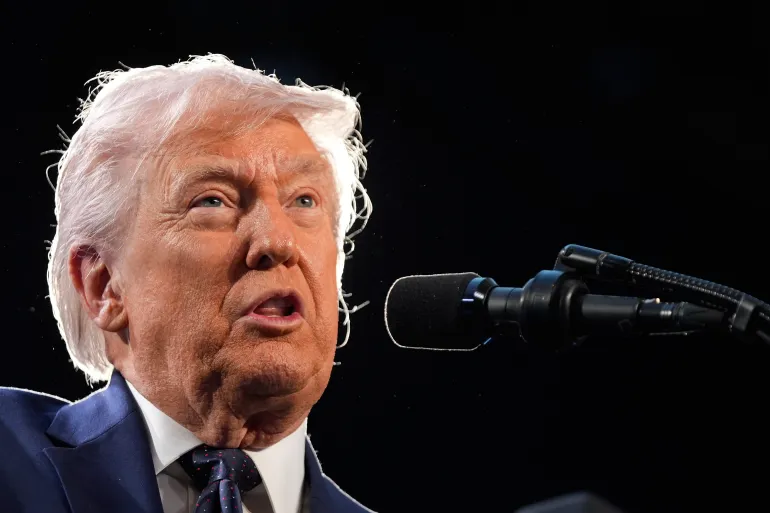
US Energy Chief Deletes Claim of Navy Escort in Strait of Hormuz

US Energy Secretary Chris Wright briefly claimed that the American military had escorted an oil tanker through the Strait of Hormuz — one of the world’s most important energy chokepoints — before quietly deleting the statement from social media.
Wright posted the message Tuesday at 1:02pm US Eastern time (17:00 GMT), asserting that the US Navy had helped guide a tanker through the narrow waterway amid the ongoing conflict involving Iran. Within roughly 30 minutes, the post was removed without explanation.
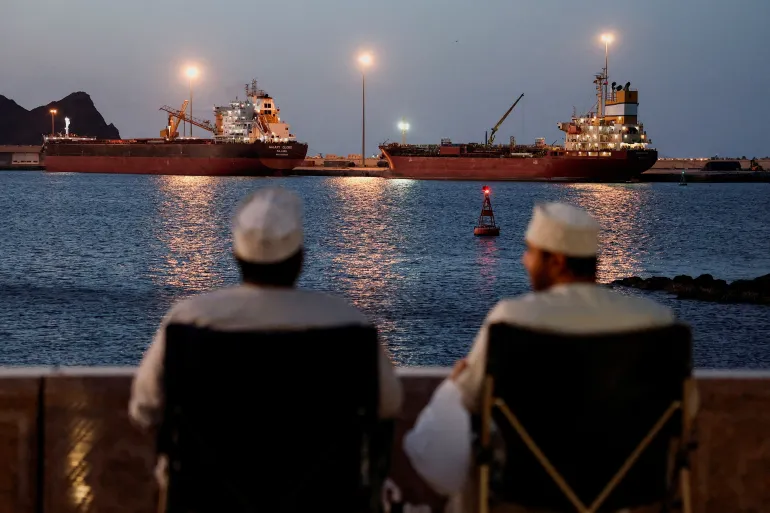
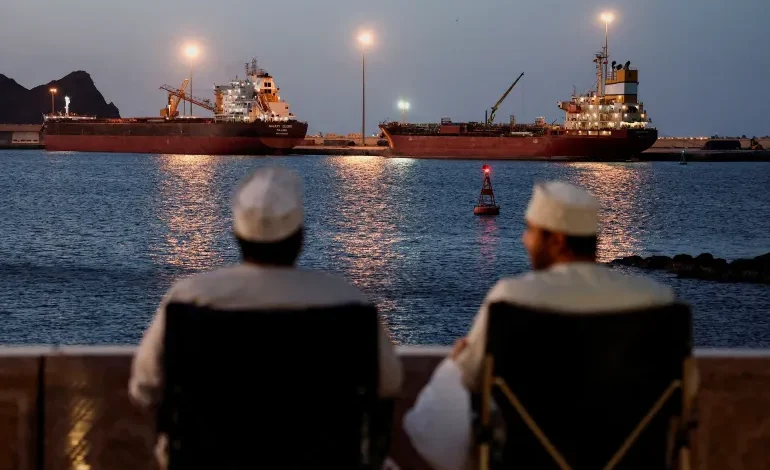
The Strait of Hormuz, a narrow maritime corridor between Iran, Oman and the United Arab Emirates, carries more than 20 percent of global oil shipments under normal conditions. But shipping traffic has largely halted since the United States and Israel launched military operations against Iran on February 28, as fears of Iranian strikes have discouraged vessels from entering the passage.
In the now-deleted post, Wright credited the Trump administration with maintaining stability in global energy markets during the conflict.
“President Trump is maintaining stability of global energy during the military operations against Iran,” Wright wrote.
“The U.S. Navy successfully escorted an oil tanker through the Strait of Hormuz to ensure oil remains flowing to global markets.”
The statement suggested that the United States had already begun direct military protection for commercial shipping in the area — an issue that has been under discussion since the conflict began.
Free passage through the strait has become a central concern for Washington as the disruption to oil flows has driven prices sharply higher and rattled global energy markets.
Early in the war, President Donald Trump signalled that the United States might intervene to protect shipping routes. On March 3, four days after the conflict began, Trump wrote on his Truth Social platform that the US Development Finance Corporation would offer “political risk insurance and guarantees” to ships travelling through Hormuz.
He also left open the possibility of military involvement.
“If necessary, the United States Navy will begin escorting tankers through the Strait of Hormuz, as soon as possible,” Trump wrote. “No matter what, the United States will ensure the FREE FLOW of ENERGY to the WORLD.”
But it remains unclear whether such operations have actually begun.
On Tuesday, General Dan Caine, chairman of the US Joint Chiefs of Staff, indicated that the military had not yet launched tanker escort missions — a position that appeared to contradict Wright’s deleted claim.
“If tasked to escort, we’ll look at the range of options to set the military conditions to be able to do that,” Caine said.
The uncertainty reflects the strategic complexity of operating in the strait, which runs along Iran’s coastline and remains within range of Iranian naval and missile forces.
Meanwhile, the disruption to shipping has already had visible economic consequences.
With oil struggling to move through Hormuz, global prices have surged. In the United States, the American Automobile Association reported Tuesday that the national average price for gasoline had risen to $3.54 per gallon — an increase of nearly 43 cents in just one week.
The economic impact is feeding into domestic political pressure as the conflict continues.
Public opinion surveys suggest the war with Iran is deeply unpopular among American voters. A Quinnipiac University poll released Monday found that 53 percent of US voters oppose military action against Iran. A separate Reuters-Ipsos survey last week showed opposition even higher, at 60 percent.


The latest news in your social feeds
Subscribe to our social media platforms to stay tuned