



Airlines Raise Fares as Fuel Costs Spike After Iran Conflict


Airlines across several regions are beginning to raise ticket prices after a sharp surge in jet fuel costs triggered by the US-Israel attack on Iran, a development that is rippling through the global aviation industry.
Australia’s Qantas Airways, Scandinavia’s SAS and Air New Zealand have all announced airfare increases, pointing to the sudden jump in fuel prices following the escalation in the Middle East. The spike has introduced new uncertainty for carriers already operating in a volatile travel market.
Before the conflict intensified, jet fuel prices were hovering between $85 and $90 per barrel. Since the attack on Iran, those prices have surged dramatically — reaching between $150 and $200, according to Air New Zealand.
The New Zealand carrier said Tuesday that the situation had become unpredictable enough to force it to suspend its financial outlook for 2026.
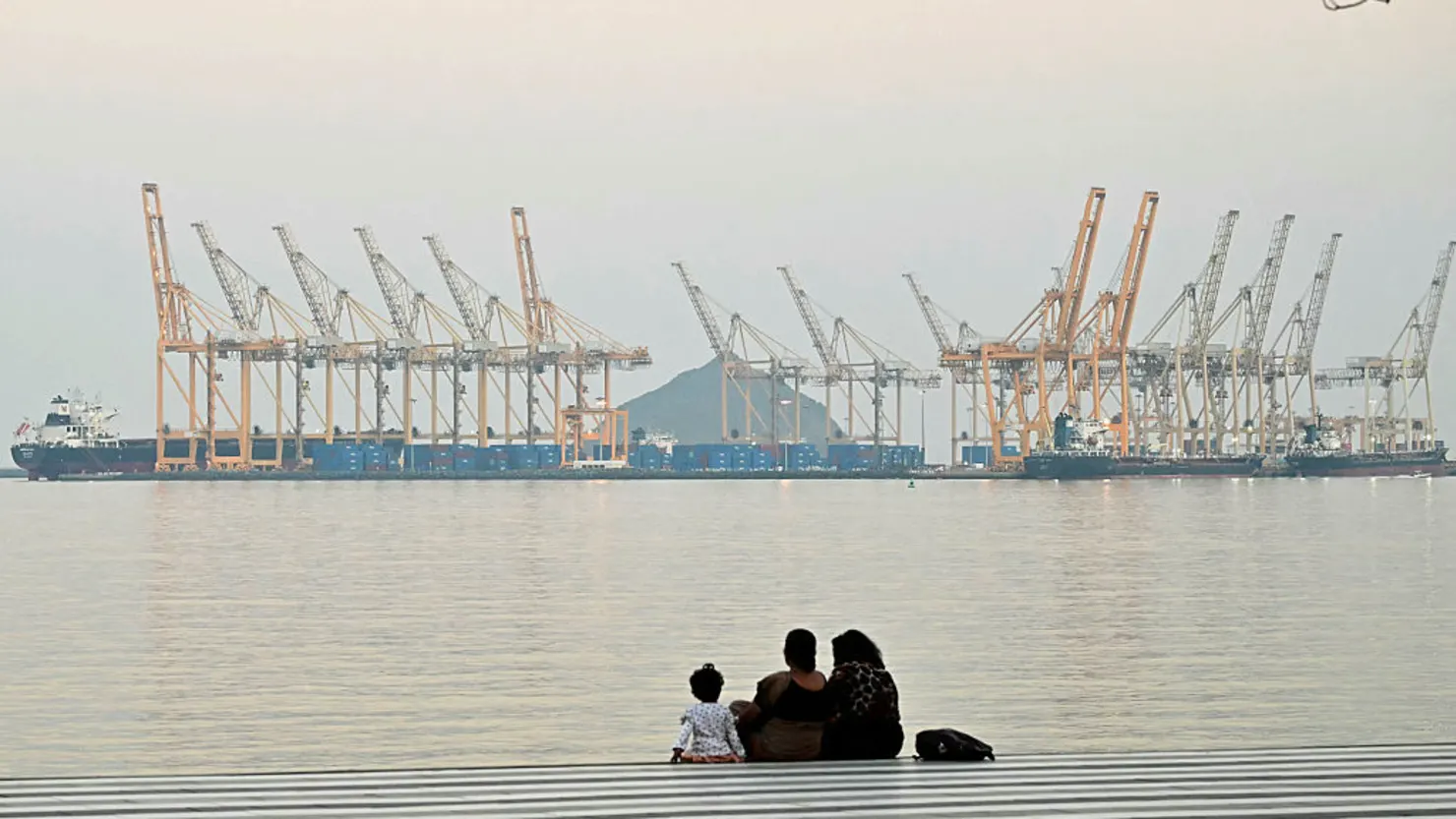
The broader disruption stems largely from the war’s impact on global energy logistics. Shipping through the Strait of Hormuz — one of the world’s most critical oil export routes — has been disrupted, sending oil prices sharply higher and pushing up the cost of aviation fuel almost overnight.
Airlines are now facing the familiar dilemma of how quickly to pass those costs on to passengers.
“Increases of this magnitude make it necessary to react in order to maintain stable and reliable operations,” an SAS spokesperson said in a statement to Reuters, adding the airline had introduced a “temporary price adjustment”.
SAS is particularly exposed because it currently has no fuel consumption hedged for the next 12 months. Last year the airline temporarily adjusted its hedging strategy due to uncertain market conditions.
Other carriers have been somewhat shielded by hedging contracts that lock in fuel prices ahead of time. Airlines such as Lufthansa and Ryanair have secured portions of their fuel supply at fixed prices, offering short-term protection against market volatility.
Still, the uncertainty extends beyond price alone.
Finnair — which had hedged more than 80 percent of its fuel purchases for the first quarter — warned that a prolonged conflict could threaten fuel availability as well.
“A prolonged crisis could affect not only the price of fuel, but also its availability, at least temporarily,” a Finnair spokesperson said, noting that supply disruptions had not yet materialised.
Meanwhile, some producers are already facing pressure. Kuwait, a major exporter of jet fuel to northwest Europe, has reported production cuts.
The geopolitical turbulence is also disrupting flight routes and airspace.
On Tuesday, aircraft approaching Dubai were briefly placed in a holding pattern after a potential missile attack alert, according to flight tracking service Flightradar24. Flights eventually resumed and the aircraft landed safely.
Airlines are beginning to adapt their route strategies as well. Qantas said it is exploring shifting more capacity toward Europe as airlines and passengers attempt to avoid unstable airspace across parts of the Middle East, where missile and drone activity has curtailed flights.
Travel demand on Asia-Europe routes has already been affected. Airspace closures and reduced capacity have pushed ticket prices sharply higher, prompting Hong Kong’s Cathay Pacific to add extra flights to London and Zurich in March.
Air New Zealand has already implemented modest fare increases: one-way economy tickets rose by 10 New Zealand dollars on domestic routes, 20 dollars on short-haul international flights and 90 dollars on long-haul services. The airline warned further changes could follow if fuel prices remain elevated.
Hong Kong Airlines has also adjusted its pricing structure, announcing fuel surcharge increases of up to 35.2 percent starting Thursday, with the largest increases affecting routes between Hong Kong and destinations such as the Maldives, Bangladesh and Nepal.
Not every airline has moved immediately.
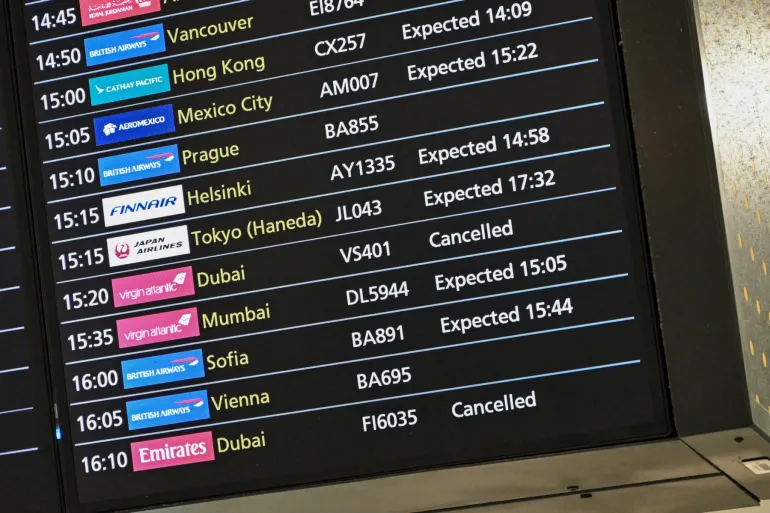
British Airways’ parent company IAG said it was sufficiently hedged for the near term and had no plans to raise ticket prices yet. Still, the airline has already adjusted operations in the region, bringing forward the end of its winter flights to Abu Dhabi because of what it described as “continuing uncertainty”. Services scheduled until April 11 have now been cancelled until near the end of the year.
Financial markets are also reacting to the turbulence.
After oil prices briefly surged to $119 per barrel on Monday, they eased back to around $90 on Tuesday following comments from US President Donald Trump suggesting the war might end soon.
Airline stocks responded cautiously. European carriers rose between 4 percent and 7 percent when markets opened, while major US airlines — including Delta Air Lines, United Airlines, Southwest Airlines and American Airlines — slipped between 2 percent and 4 percent in early trading.
One reason for the difference is strategy. US airlines rely less on fuel hedging than many European and Asian competitors, leaving them more exposed to swings in oil prices.
In Asia-Pacific markets, shares recovered slightly after heavy losses the previous day. Qantas closed 0.5 percent higher, Korean Air rose 3 percent and Cathay Pacific gained 3.6 percent.



The latest news in your social feeds
Subscribe to our social media platforms to stay tuned