

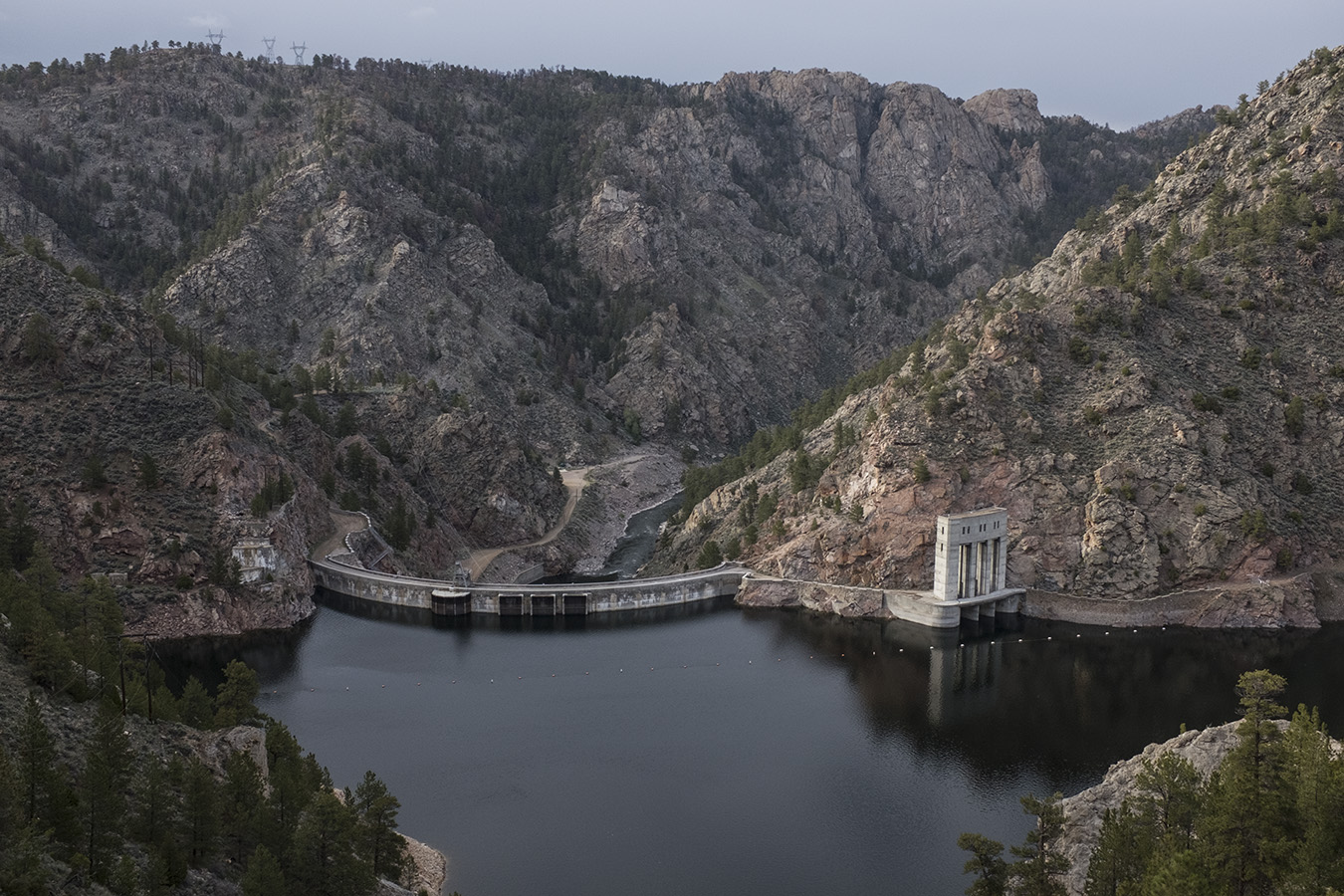



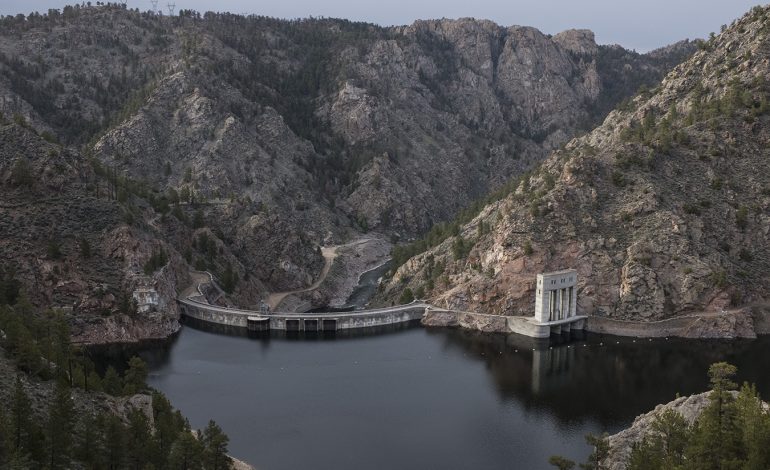

Wyoming’s top environmental office has approved a water quality certificate for Black Canyon Hydro’s controversial Seminoe pumped water storage project in Carbon County, marking the largest state-level permitting milestone for the $3 billion to $5 billion proposal.
The Wyoming Department of Environmental Quality issued the certificate Thursday, underscoring its intent to maintain the viability of the world-class Miracle Mile trout fishery immediately downstream. The cherished stretch of the North Platte River is designated as an Outstanding Resource Water, requiring “no further degradation from human activity.”
The approval includes stringent thresholds and triggers that could curb the facility’s operations if exceeded, particularly regarding turbidity from daily water flushing operations and potential water temperature increases in the Miracle Mile. Trout are a cold-water species and especially sensitive to warmer temperatures.
Groups like Trout Unlimited and Friends of the North Platte have warned that even one day of higher-than-tolerable water temperatures could result in devastating fish kills. Though still reviewing the lengthy approval documents, Trout Unlimited’s Patrick Harrington said he’s generally pleased with DEQ’s effort to incorporate public feedback but noted “big picture things missing, like a full operational shutdown.”
The state mostly relied on historic water temperature data from a decade ago, Harrington said, despite the region being flagged as particularly susceptible to a warming climate. Wyoming just experienced its warmest winter in modern history, and the North Platte River basin faces severe drought conditions.
The project, proposed by Utah-based rPlus Hydro, would serve as an “energy‑storage facility,” pumping water uphill during off-peak hours and releasing it to generate hydroelectricity during higher-demand periods. A 13,400-acre-foot reservoir would be built in the Bennett Mountains overlooking Seminoe Reservoir.
Company spokesperson Brad Carl said the certificate confirms the project will comply with all water quality standards and establishes “robust regulatory protections to ensure that there will be no impacts.”
But critics, including the Casper City Council and Carbon and Natrona county officials, have raised concerns beyond water quality—threats to elk, mule deer, sage grouse habitat and a vital bighorn sheep herd. The company has requested several exemptions from seasonal construction restrictions typically imposed to protect wildlife.
The project still awaits final approval from federal regulatory agencies, including the Federal Energy Regulatory Commission.



The latest news in your social feeds
Subscribe to our social media platforms to stay tuned