





NBC News and the Hill contributed to this report.
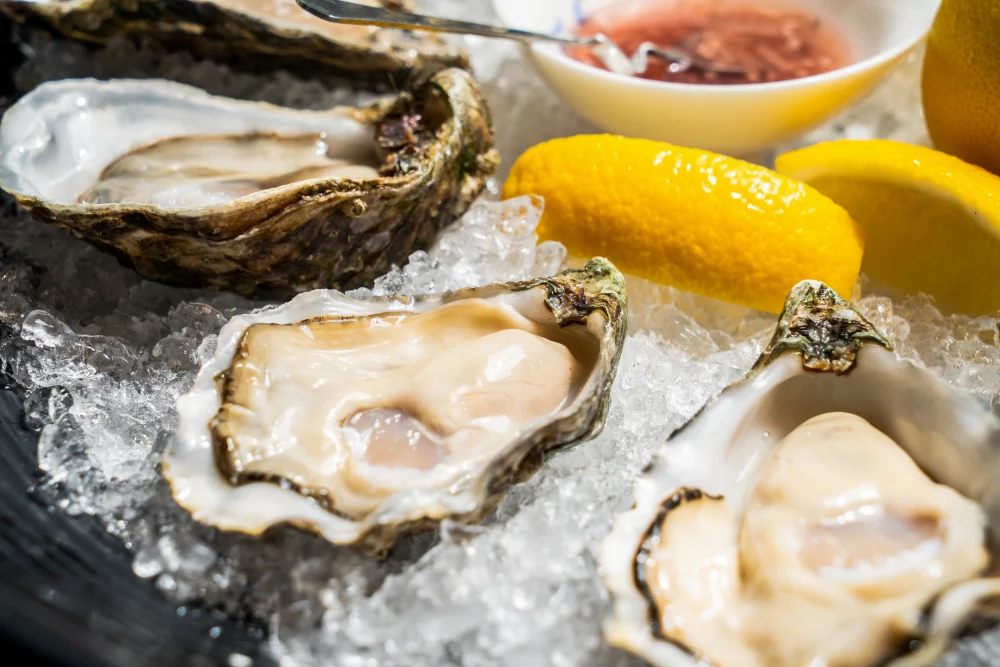
The agency says certain raw oysters and Manila clams harvested in Washington between Feb. 13 and March 3 could be contaminated with norovirus. Restaurants and stores should pull them off shelves and toss them – and anyone who swallowed raw shellfish from the affected batches should watch for stomach trouble.
What’s affected
- Oysters harvested by Drayton Harbor Oyster Company – reportedly distributed only within Washington state.
- Manila clams harvested by Lummi Indian Business Council – sent to retailers and restaurants in these states: Arizona, California, Florida, Georgia, Illinois, Nevada, New York, Oregon and Washington. The agency also warned the clams “may have been distributed to additional states.”
Don’t sell it. Don’t serve it. The FDA tells businesses to either throw the suspect shellfish in the garbage or contact their distributor to arrange for destruction. That’s the preferred route – simple and safe.
And heads up about cross-contamination: if those oysters or clams touched shucking stations, trays, knives or other equipment, anyone should assume those surfaces could spread the virus to other foods. Clean and sanitize thoroughly, and consider discarding anything that may have been contaminated.
What consumers should know
- The FDA and tribal statement advise: don’t eat the listed shellfish raw. If you already have some in your fridge, toss it.
- Norovirus symptoms usually show up 13 to 48 hours after exposure and typically clear up in 24 to 72 hours. Expect nausea, vomiting, watery diarrhea, stomach pain, plus possible fever, headache and body aches. Dehydration is the biggest short-term risk, especially for infants, older adults and people with weakened immune systems.
- If you or a family member becomes very sick, can’t keep liquids down, shows signs of severe dehydration, or is in a high-risk group, contact a medical provider right away.
Raw shellfish can carry norovirus when harvesting waters are contaminated by sewage or infected workers handle the product. Public notices like this aren’t rare, but they matter because norovirus spreads fast and easily – one infected prep surface can cause a cluster of illnesses at a restaurant or event.
The tribe issued a public warning last week urging people not to eat the shellfish raw, though it stopped short of a full recall. Representatives for the harvester and the tribal council weren’t immediately available for comment when the agency’s advisory went out.
If you ate raw oysters or Manila clams from the specified harvest window and supplier, keep an eye on your health and don’t hesitate to seek care if symptoms are severe. If you run a restaurant or shop and handled the batches, pull everything, deep-clean any gear that touched the shellfish, and work with your distributor on proper disposal. It’s an annoying disruption – but better than a norovirus outbreak on your watch.



The latest news in your social feeds
Subscribe to our social media platforms to stay tuned