



IEA calls emergency meeting as Iran war rattles oil markets
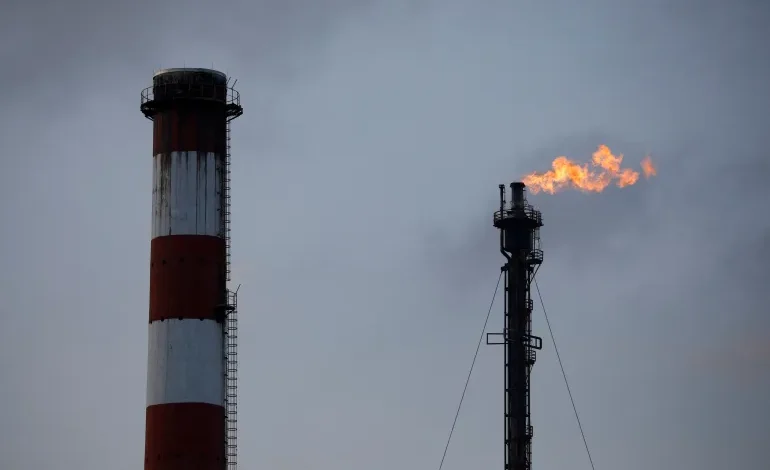

The International Energy Agency is scrambling to assess the fallout from the ongoing US-Israeli war on Iran, with officials convening an emergency meeting to evaluate the state of global energy supplies and decide whether to intervene in the market.
Fatih Birol, the agency’s executive director, said representatives from IEA member states would gather Tuesday to review “the current security of supply and market conditions” as the conflict continues to shake oil markets and disrupt key shipping routes.
“I have convened an extraordinary meeting of IEA member governments, which will take place later today to assess the current security of supply and market conditions to inform a subsequent decision on whether to make emergency stocks of IEA countries available to the market,” Birol said.
The meeting comes at a moment when global energy markets remain highly sensitive to developments in the Middle East. Oil prices earlier this week climbed to their highest levels since mid-2022 as traders reacted to fears that the conflict could cause prolonged disruptions to shipping and production.
Although prices later eased — with benchmark crude dropping back below $90 per barrel by Monday evening — uncertainty about the duration and scale of the war continues to weigh on the market.
At the center of those concerns is the Strait of Hormuz, a narrow waterway linking the Persian Gulf with global shipping routes. Roughly one-fifth of the world’s oil passes through the strait, and the conflict has effectively halted traffic along the corridor.
“If this drags on, it is not just going to be energy prices” that are affected, Al Jazeera’s Osama Bin Javaid explained. “It is going to have an impact on global economies.”
The IEA meeting follows consultations among Group of Seven energy ministers, who have been discussing possible measures to stabilize markets. So far, those talks have stopped short of committing to a release of strategic oil reserves.
Instead, governments have asked the agency to conduct a detailed assessment before any decision is made.
“The IEA will be presenting an in-depth analysis of the pros and cons of releasing stocks now,” EU Energy Commissioner Dan Jorgensen said ahead of the meeting.
French Finance Minister Roland Lescure echoed that cautious approach after the latest discussions.
“Everyone is willing to take measures to stabilise the market, including the United States,” Lescure said.
“We have asked the IEA to elaborate scenarios for a potential oil stock release; we need to be ready to act at any moment,” he added.


The latest news in your social feeds
Subscribe to our social media platforms to stay tuned