



IEA Floats Record Oil-Stock Release as Japan Prepares its Own Tap


Bloomberg, the Guardian, the Wall Street Journal, CNBC, and the Financial Times contributed to this report.
Oil drifted higher Wednesday as traders tried to price the fallout from the US-Iran war — and a dramatic plan to flood markets with emergency crude. The biggest headline: reports that the International Energy Agency has proposed the largest coordinated release of strategic reserves in its history, and that Japan plans to move independently to free up stockpiled oil as soon as next week.
Brent crude climbed about 2% early Wednesday to roughly $89.50 a barrel, after earlier spiking toward the low $90s. US benchmark crude gained about 2.4% to trade in the mid-$80s, following intraday highs nearer $89. Those moves came as shipping in and out of the Gulf remains severely disrupted.
The Wall Street Journal reported Tuesday that the International Energy Agency had recommended a release that would top the 182 million barrels opened up after Russia’s 2022 invasion of Ukraine — in other words, potentially the largest-ever coordinated draw from government reserves. IEA stocks are large: the agency’s executive noted member countries collectively hold more than 1.2 billion barrels of public emergency stocks and roughly 600 million barrels of industry stocks under government obligation.
Separately, Japan told press it plans to free oil from its own reserves as early as Monday, according to broadcaster NHK. That step would be unilateral — Tokyo acting on its own to smooth supply — and could come before a formal IEA decision by member states.
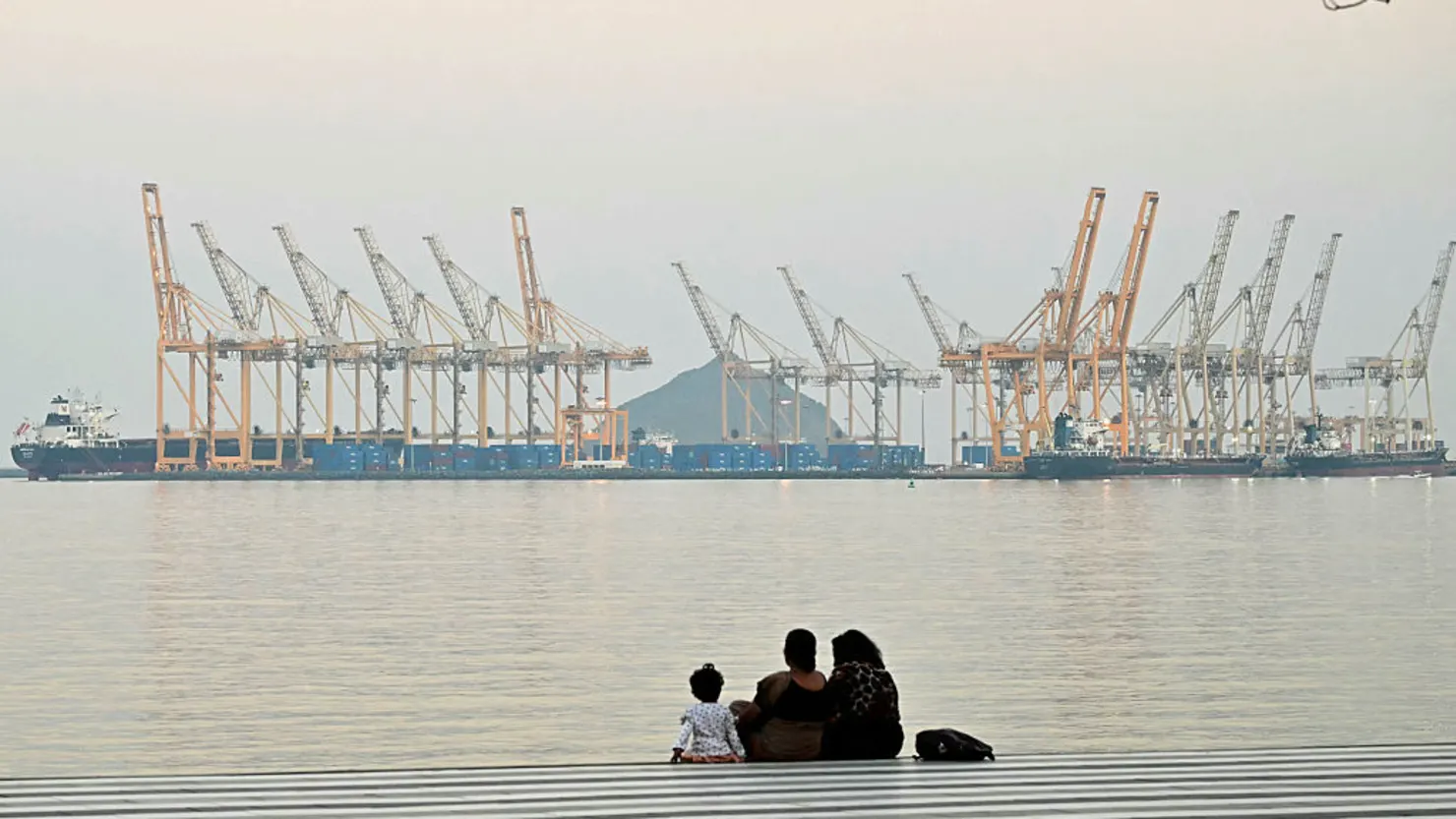
The proposal and Japan’s pledge come as the conflict has choked traffic through the strategic waterway. The Strait of Hormuz has been hit by attacks on commercial vessels and reports of mines and strikes that have carved out a de facto blockade for some routes. Overnight reports said several vessels were struck and that US forces sank a number of Iranian minelayers — developments that only deepen the sense of urgency.
G7 energy ministers met in Paris to weigh options, and officials signaled support for “proactive measures” including the use of strategic reserves. That political backing matters if countries move from talk to action.
Market pros stress one big caveat: releases buy time, they don’t fix a closed shipping lane.
“These stock releases really buy us a few days,” said Sasha Foss of Marex.
If the Strait stays shut or the conflict drags on, she warned, oil could surge back above $100 a barrel fast.
Others warned even higher spikes are possible. Paul Gooden of Ninety One said prolonged disruption could push prices beyond $120 until demand reactions — driving less, flying less — start to blunt consumption.
Releasing emergency stocks pumps supply into the short-term market and can calm panic buying and hedging that pushes spot prices up. But strategic reserves are finite and don’t fix damaged infrastructure, closed terminals or mines. If production and exports remain curbed for weeks, even a historic stock release could be a temporary salve — not a cure.
The timing and coordination also matter. A well-timed, well-signaled, and sufficiently large release can cut the risk premium markets add for disruption. A piecemeal, uncoordinated release may do less to stabilize prices, and could leave oil markets hunting for the next headline.
If an IEA-led release goes ahead and Japan follows through, it should ease immediate price pressure — at least for a short while. But traders will be watching two things closely: (1) whether shipping lanes actually reopen, and (2) whether the conflict escalates further. Any new strikes near key terminals or more attacks on tankers will quickly undo the relief from released barrels.
Bottom line: the IEA proposal and Japan’s planned release are big moves — they would be the policy equivalent of slamming the fire door shut to stop panic — but the real test is whether the Strait reopens and production is restored. Until then, expect oil volatility to stay high and headlines to keep swinging markets.


The latest news in your social feeds
Subscribe to our social media platforms to stay tuned