


Pentagon Says US “Winning” in Iran War but Offers No End Date
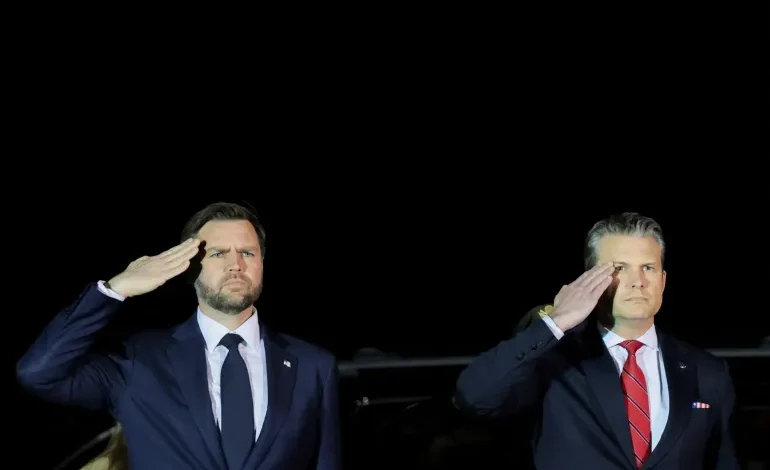

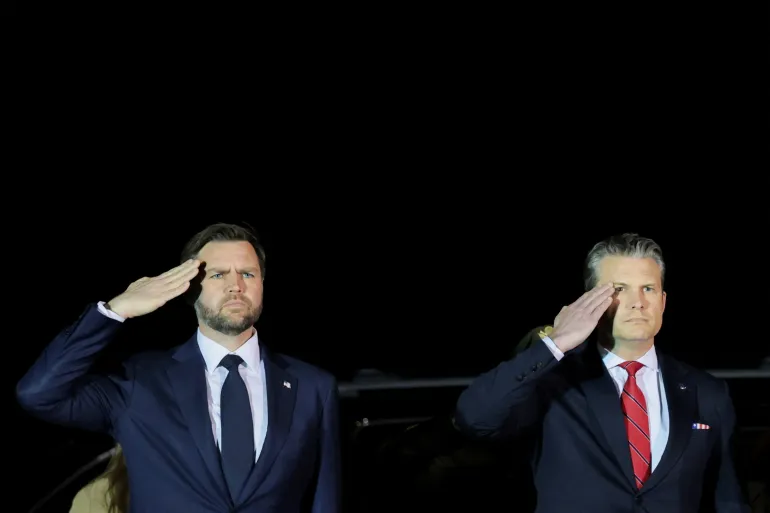
US Defense Secretary Pete Hegseth says the United States is gaining the upper hand in its war with Iran, though the administration is still not saying when the conflict might end.
Speaking to reporters Tuesday, Hegseth framed the campaign as moving in Washington’s favor while making clear that the timeline ultimately depends on President Donald Trump.
According to Hegseth, the US military is pursuing three broad goals in the conflict: weakening Iran’s missile capabilities, destroying its naval power and ensuring Tehran cannot develop nuclear weapons in the future.
“We do so on our timeline and at our choosing. For example, today will be yet again, our most intense day of strikes inside Iran – the most fighters, the most bombers, the most strikes.”
The remarks came as US and Israeli operations inside Iran continue to expand. Washington has repeatedly argued that Tehran’s military capabilities are being steadily reduced.
Iranian leaders, however, have responded with a different message — one centered on resilience rather than retreat.
“Those mightier than you have not been able to eliminate our nation. Those who have tried have become eradicated themselves,” senior Iranian official Ali Larijani wrote in a social media post Tuesday.
Tehran has long insisted its nuclear program is civilian in nature. Iranian authorities have consistently rejected accusations that the country is pursuing a nuclear weapon.
That dispute has been a central justification for US and Israeli military action. After American strikes on key Iranian nuclear facilities in June 2025, Trump said the United States had “obliterated” Iran’s nuclear program.
The war has already produced heavy casualties and significant regional fallout. US-Israeli strikes have killed Iran’s Supreme Leader Ali Khamenei along with more than 1,250 other people, according to reports cited in the article.
Iran has responded with missile and drone attacks targeting Israel and locations across the region.
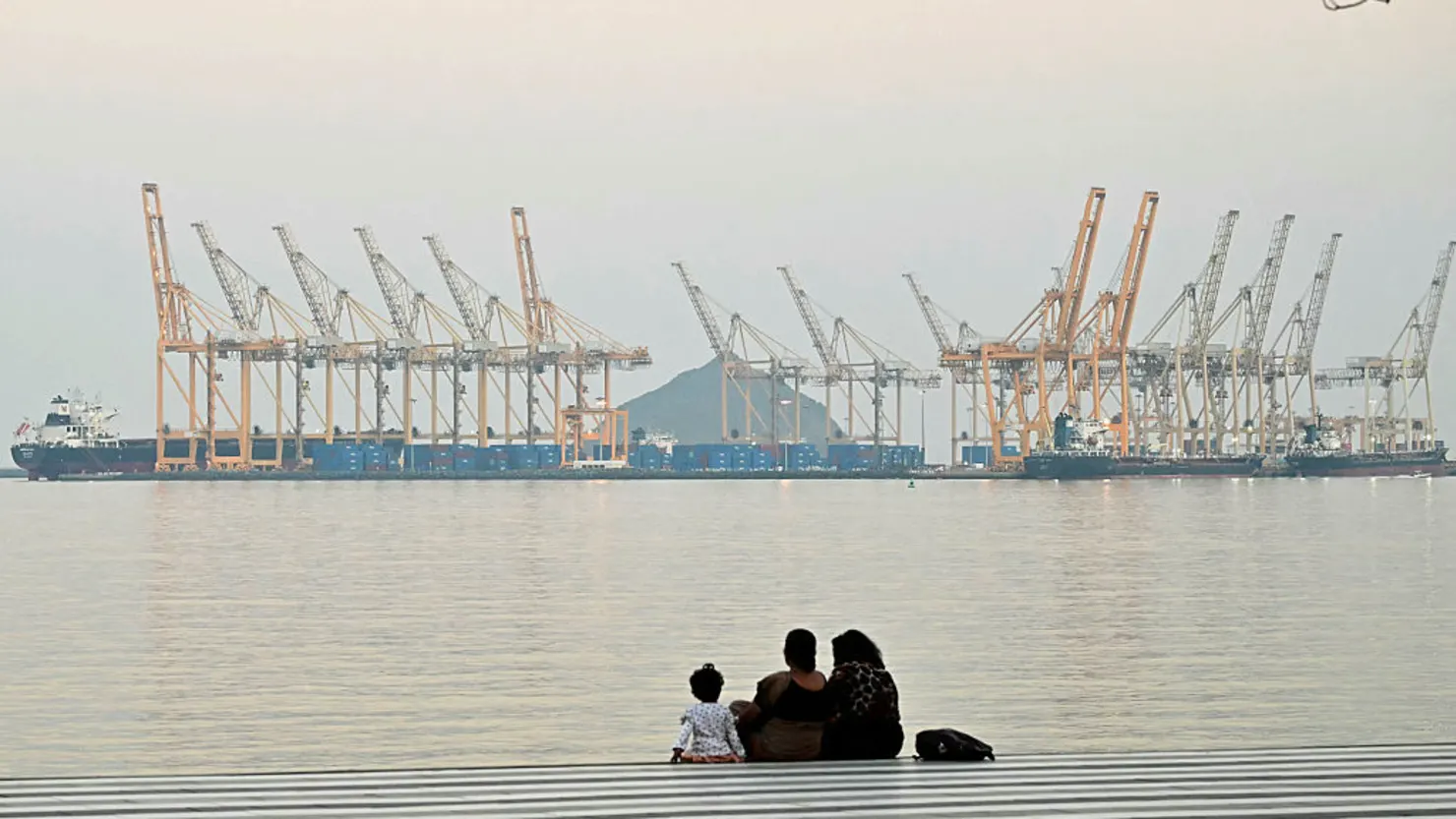
The conflict has also spilled into global energy markets. Iranian forces have struck oil infrastructure in Gulf states and effectively closed the Strait of Hormuz — a vital shipping lane through which a large share of the world’s energy supply normally passes.
The disruption has pushed fuel prices sharply higher and increased pressure on governments concerned about energy security.
Late Monday, Trump warned Iran that it would face “death, fire, and fury” if it continued blocking oil shipments through the strait.
Larijani responded directly, saying the waterway’s future depended on the choices made by Washington and its allies.
The Strait of Hormuz, he wrote, “will either be a Strait of peace and prosperity for all or will be a Strait of defeat and suffering for warmongers”.
Meanwhile, US forces remain active in the Gulf. General Dan Caine said American military units are continuing to track and strike vessels suspected of laying naval mines in the area.
The United States has also been considering whether to use naval escorts to protect commercial oil shipments passing through the strait. Trump raised the possibility last week as energy markets reacted to the disruption.
But Caine suggested Tuesday that no final decision has yet been made on deploying US forces to reopen the shipping route.
“If tasked to escort, we’ll look at the range of options to set the military conditions to be able to do that,” he said.


The latest news in your social feeds
Subscribe to our social media platforms to stay tuned