


Brent Briefly Tops $100 as Iran’s Attacks Choke Shipping


AP, CNN, Axios, the Financial Times, the New York Times contributed to this report.
Oil crossed the $100-a-barrel line again early Thursday as attacks on commercial shipping around the Strait of Hormuz sent fresh shockwaves through markets. It’s another brutal reminder that the oil story is now driving global markets – and that headlines, not fundamentals, are calling the shots.
Quick numbers
- Brent crude briefly topped $100 a barrel early Thursday after spiking near $120 earlier in the week.
- S. benchmark WTI jumped about 4.5% to roughly $91 a barrel.
- Traders pushed oil up more than 9% at the open as shipping disruptions worsened.
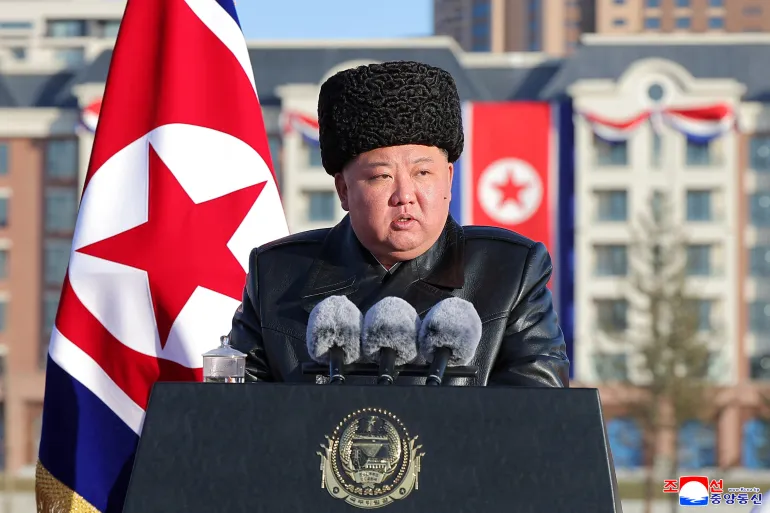
Iran has stepped up attacks on commercial vessels and targeted energy infrastructure in Gulf states, part of a campaign experts say is meant to inflict economic pain and pressure the US and Israel to back down. Tankers and cargo traffic through the narrow, vital waterway that connects the Persian Gulf to the open ocean have slowed to a trickle – basically a de facto shutdown of a route that normally moves roughly one-fifth of the world’s traded oil.
The geopolitical hit was already piling on: the US air campaign in Iran moved into its second week, and skirmishes at sea – including strikes on ships and mines in the waterway – kept traders pricing in a prolonged supply squeeze.
Governments tried to blunt the panic. The International Energy Agency announced a 400-million-barrel coordinated release from emergency stockpiles – the largest in its history – while the US said it planned to free 172 million barrels from the US Strategic Petroleum Reserve. G7 ministers also met to coordinate support.
But as IEA chief Fatih Birol stressed, emergency barrels are a patch, not a cure. Strategic reserves calm short-term panic, but they don’t reopen mined shipping lanes or fix damaged refineries.
President Donald Trump has said he expects gasoline prices to drop once the fighting ends and pushed for measures like naval escorts and insurance for tankers – steps meant to get oil flowing again. But with mines reportedly in the waterway and attacks continuing, traders aren’t banking on a quick fix.
Risk assets slid as oil volatility spiked. Equities were pressured across the board, with futures and European indices underperforming as investors priced in the chance of higher inflation and weaker corporate earnings if fuel stays expensive. Economists warn that sustained $100-plus oil could push consumer prices higher, cut into spending and flirt with the stagflation scenario that central banks dread.
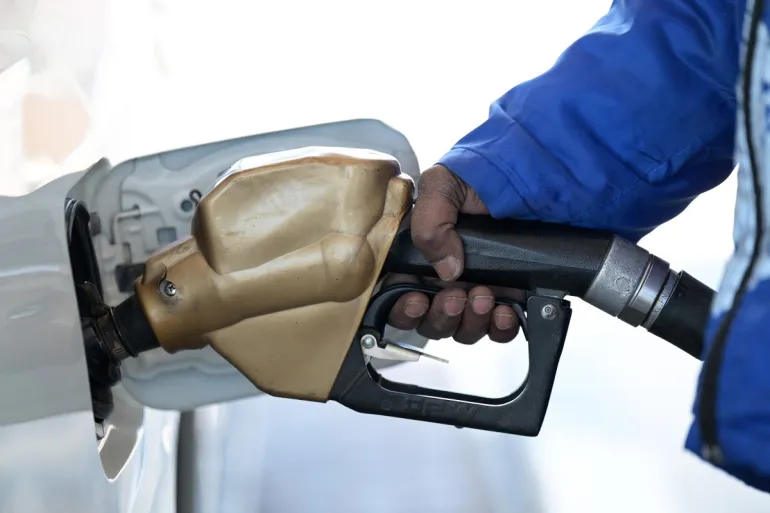
Expect pump prices to keep moving higher for at least the next few reporting windows – retail fuel typically lags crude, and past reserve releases only shaved a few dozen cents off gasoline in the US The real test is how long the Strait stays effectively closed: a short interruption is painful but manageable; weeks or months of disruption could reverberate through everything from airfares to grocery bills.
The IEA release and US SPR tapping buy time; they don’t return cargo lanes to service. Until the ships can move safely through the Strait of Hormuz and refineries resume normal flows, expect oil volatility – and headline-driven market swings – to remain the dominant story.



The latest news in your social feeds
Subscribe to our social media platforms to stay tuned