



Democrats leave classified Iran war briefing with more questions than answers


Several Democratic lawmakers say they came away from a classified briefing on the war with Iran feeling frustrated and unconvinced by the Trump administration’s explanations for the conflict.
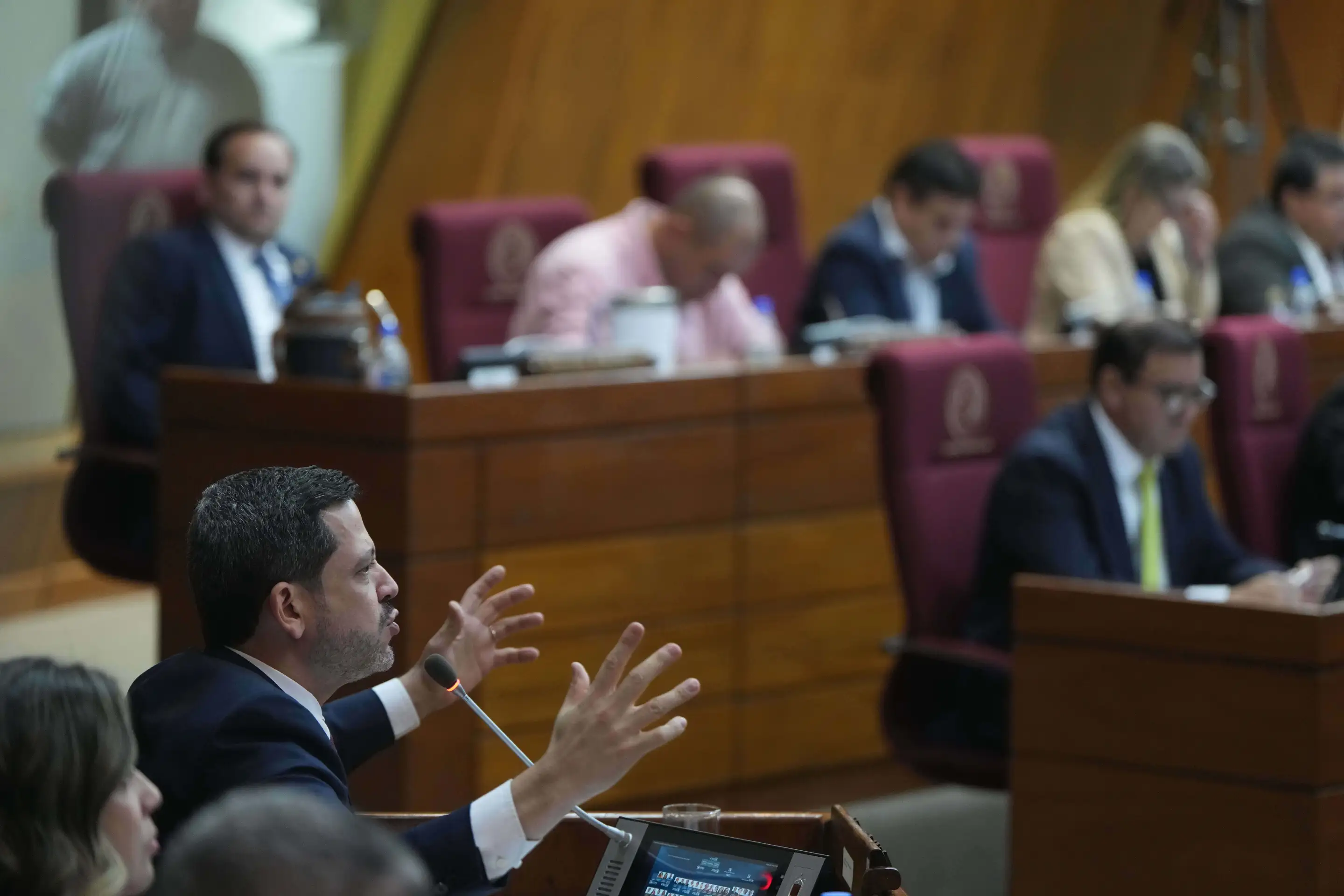
Speaking after a closed-door session with the Senate Armed Services Committee on Tuesday, Senator Richard Blumenthal said the briefing failed to clarify either the justification for the war or its ultimate objectives.
“I emerge from this briefing as dissatisfied and angry, frankly, as I have from any past briefing in my 15 years,” Blumenthal said.
The comments reflect growing tension between congressional Democrats and the White House as the war enters its second week. While Democrats hold only a slim minority in both the Senate and the House of Representatives, party members have increasingly criticised the administration’s handling of the conflict.
Both chambers recently saw nearly unified Democratic support for resolutions aimed at halting the war launched by the United States and Israel on February 28. Those efforts centred on a “war powers resolution” intended to limit the president’s authority to continue military operations without congressional approval.
The measure ultimately failed after facing strong Republican opposition.
Democratic lawmakers have since shifted strategy, promising to slow Senate proceedings unless senior officials from the Department of State and the Pentagon testify under oath about the war.
After Tuesday’s classified briefing, several senators said the administration still had not clearly explained its strategy.
Blumenthal said the discussion left him concerned about the possibility of deeper military involvement.
“I am left with more questions than answers, especially about the cost of the war,” he said.
“I am most concerned about the threat to American lives of potentially deploying our sons and daughters on the ground in Iraq. We seem to be on a path towards deploying American troops on the ground in Iran to accomplish any of the potential objectives.”
Senator Elizabeth Warren echoed those concerns, arguing that the administration has yet to clearly articulate why the war began or how it intends to end it.
“The Trump administration cannot explain the reasons that we entered this war, the goals we’re trying to accomplish and the methods for doing that,” Warren said.
She also pointed to the financial cost of the conflict. Some estimates suggest the military campaign exceeded $5.6bn in just its first two days.
Warren contrasted those spending levels with recent cuts to domestic programmes.
“While there is no money for 15 million Americans who lost their healthcare”, she said, “there’s a billion dollars a day to spend on bombing Iran”.
Other lawmakers expressed similar frustration but noted the limitations of discussing classified briefings publicly.
Senator Jacky Rosen offered only brief remarks, saying the information presented during the session raised serious concerns.
“I can tell you what I heard is not just concerning. It is disturbing,” she said. “And I’m not sure what the end game is or what their plans are. They certainly have not made their case.”
The criticism came shortly after US Secretary of Defense Pete Hegseth signalled that the military campaign was intensifying.
Hegseth said the United States would carry out the “most intense day” of strikes since the war began.
“We do so on our timeline and at our choosing,” he said.
According to the latest figures cited during the debate, the conflict has killed at least 1,255 people in Iran, 394 in Lebanon, 13 in Israel, six in Iraq and 14 across Gulf states.
Despite repeated assurances from President Donald Trump that the war will not be prolonged, officials within his administration have offered varying timelines and explanations for the campaign.
Trump has cited Iran’s nuclear ambitions as one of the reasons for launching the operation. Tehran has denied seeking nuclear weapons, insisting its programme is peaceful.
Other administration officials have argued that the war was intended to dismantle Iran’s ballistic missile capabilities. Experts, however, say available evidence does not show that either programme posed an immediate threat to the United States.
Secretary of State Marco Rubio previously suggested that the US attack was partly linked to Israel’s own plans to strike Iran, which could have triggered retaliation against American assets in the region.
Trump later offered a different explanation, saying Iran had been preparing to attack first.
The administration has also argued that Iran’s broader actions since the 1979 Islamic revolution represent a long-term threat that justified military action.
Democrats say those shifting explanations have made it difficult for Congress to evaluate the legality and necessity of the war.
Under the US Constitution, the power to declare war rests with Congress. Presidents can still order military action in response to imminent threats, but those operations face legal limits.
The 1973 War Powers Resolution requires presidents to withdraw forces within 60 to 90 days from an unauthorised military campaign unless Congress grants approval.
Trump has argued that he does not require congressional authorisation for the military actions taken since returning to office.
Public opinion appears increasingly sceptical of the war. Several recent polls suggest that a majority of Americans oppose the conflict.
Lawmakers have also begun calling for investigations into specific strikes. Earlier this week, six Democratic senators requested a formal inquiry into an attack on a girls’ school in Minab in southern Iran.
Investigations have suggested that the strike killed at least 170 people, most of them children.

The latest news in your social feeds
Subscribe to our social media platforms to stay tuned