
IEA Orders Biggest-ever Oil Dump

CNBC, CNN, the New York Times, the Washington Post, IEA, the Financial Times contributed to this report.
Big move: member countries of the International Energy Agency unanimously agreed to release 400 million barrels of emergency crude into the market — the largest coordinated draw from strategic reserves in history. It’s a dramatic, headline-grabbing effort meant to blunt an oil panic caused by the Iran conflict, but experts warn it’s only a temporary Band-Aid.
IEA chief Fatih Birol said the release aims to “offset the supply lost through the effective closure of the Strait,” and stressed that real stability hinges on reopening the Strait of Hormuz. With tanker traffic effectively choked and production cuts already happening, governments wanted to signal they’re ready to act.
It sounds huge — and it is. The 2022 coordinated release after Russia’s invasion of Ukraine totaled about 182 million barrels; the US added roughly 180 million barrels from its Strategic Petroleum Reserve that year. Even so, the near-blockade of the Hormuz is removing roughly 20 million barrels a day from global markets (about 15 million barrels of crude plus 5 million barrels of products), which means 400 million barrels could be absorbed in roughly 26 days. Translation: the release helps, but it won’t replace a prolonged stoppage.
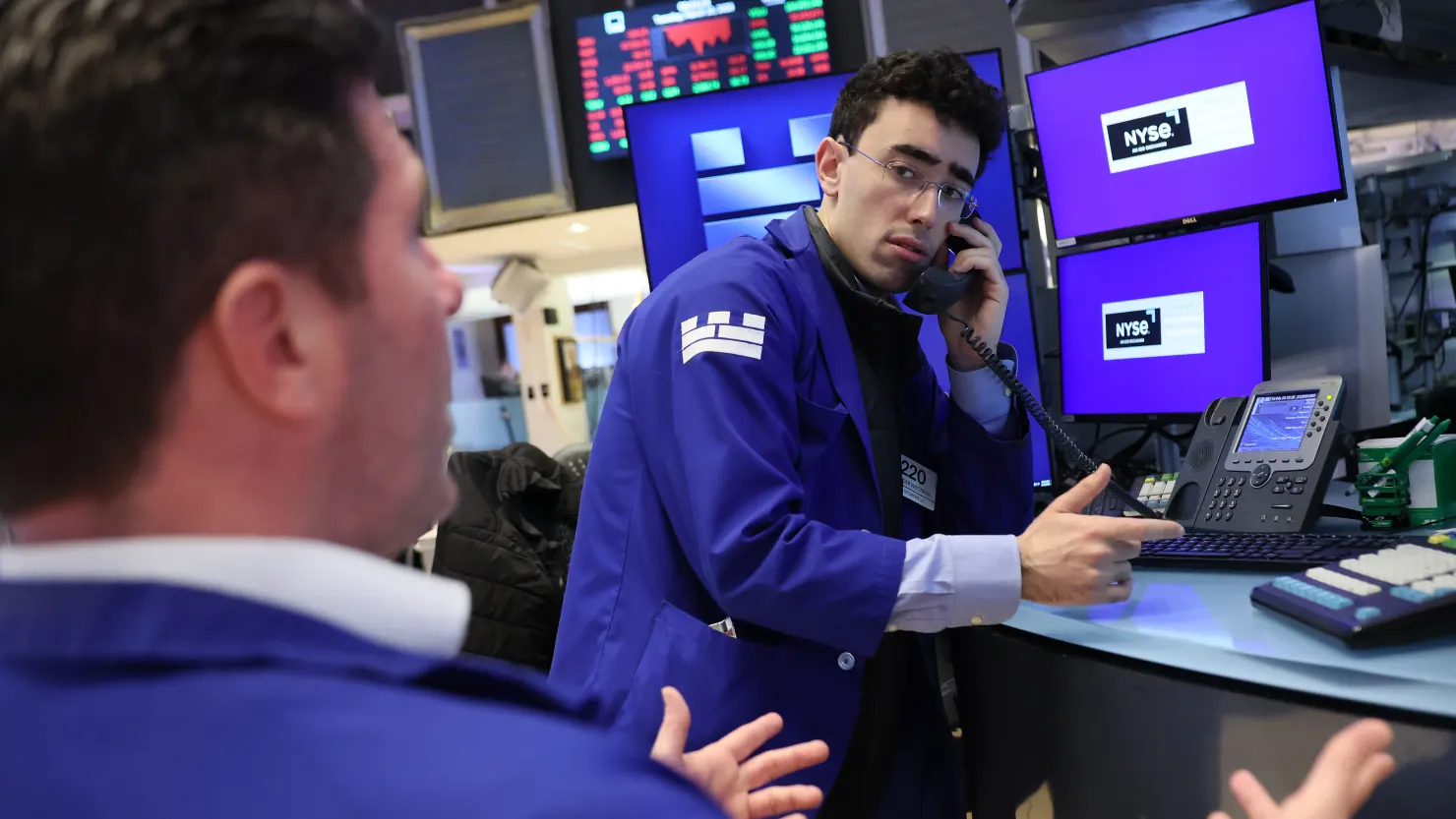
Oil didn’t collapse. Brent jumped about 4% to around $91 a barrel after the announcement; US crude moved into the mid-$80s. Traders treated the move as a necessary step, not a cure. Emergency barrels calm short-term panic and give markets breathing room, but they don’t fix closed shipping lanes, mined waterways or damaged refineries.
Japan said it will push oil from its reserves as soon as next week, and several European governments signalled they’d chip in. The IEA noted members hold over 1.2 billion barrels of public emergency stocks plus another 600 million barrels of industry-held reserves under government obligation — so the pool is large, but finite.
Energy analysts warned the release is temporary. Amrita Amrita Sen said the move won’t fully offset the scale of the disruption, while Ben Ben Emons warned the IEA action is “a water pistol, not a bazooka.” Francesco Francesco Pesole added that unless military de-escalation happens, stockpiles are a stopgap at best.
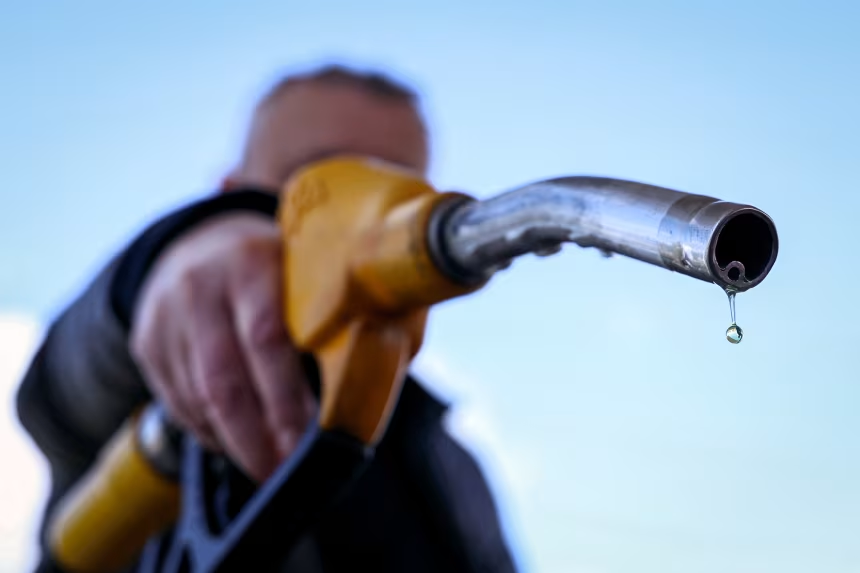
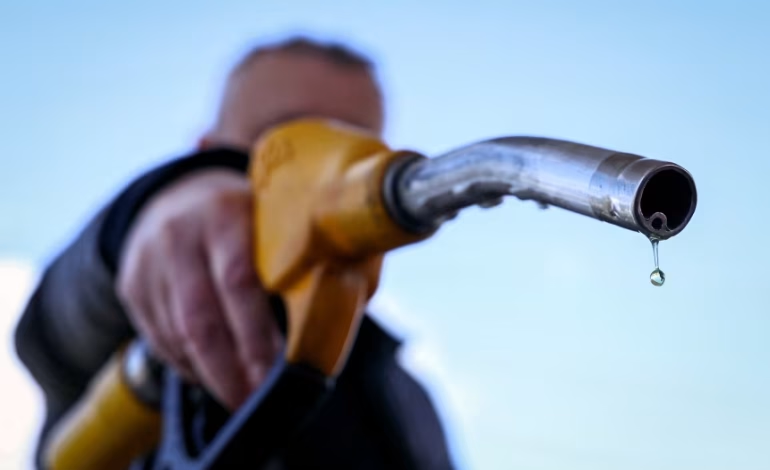
Pumping crude out of reserves isn’t instantaneous. It takes time to release, ship and refine barrels, and past coordinated releases only shaved a few dozen cents off U.S. gasoline prices. Meanwhile, Gulf producers are running out of storage and have already dialed down output — shutting wells and refineries is easy, restarting them can take weeks.
The IEA’s 400-million-barrel decision is historic and buys policymakers and markets a few precious weeks. But unless the Strait reopens and production resumes, emergency barrels will only paper over the problem. Expect volatility to stick around: headlines about shipping, mines, military strikes or reopening routes will keep oil and pump prices swinging until the physical flow of crude is restored.


The latest news in your social feeds
Subscribe to our social media platforms to stay tuned