





The New York Times and CNN contributed to this report.
President Donald Trump has loved to point to hot markets as proof his presidency works: soaring stocks, low borrowing costs and a softer dollar that (in theory) helps US factories. Problem is, the war with Iran is flipping that script — and fast.
Here’s what’s moving and why it matters for the political story Trump wants to sell.
What’s broken so far
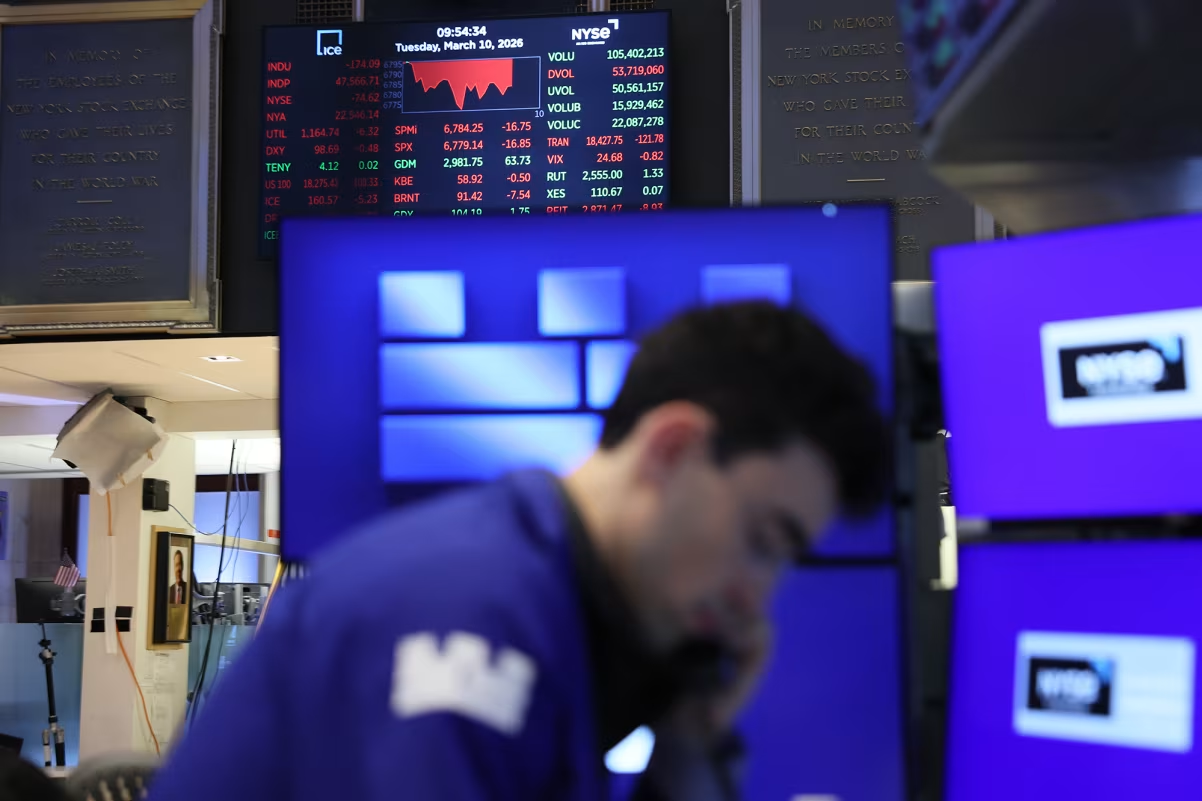
- The stock glow has faded. The S&P 500 is down about 1.5% this month, putting it into the red for the year, and the big headline indexes haven’t hit fresh highs in weeks. The Dow Jones Industrial Average, which Trump bragged about after a recent record run, is more than 5% off its Feb. 10 peak.
- Bond yields are climbing. The key 10-year Treasury yield has jumped from roughly 3.96% at the start of the month to about 4.22% — a move that raises mortgage and borrowing costs across the economy.
- The dollar is firming. The dollar index has bounced — up around 1.7% this month — erasing some of the weaker-dollar narrative that was supposed to help US manufacturing.
It’s all about oil and uncertainty. Attacks on shipping and energy infrastructure around the Gulf — and the squeeze on flows through the Strait of Hormuz — pushed crude sharply higher. Higher oil risks feeding inflation, which nudges bond yields up and makes the Federal Reserve less likely to cut rates soon. Higher yields + higher energy costs = a tougher environment for stocks and household budgets.
“The conflict in the Middle East and related headlines are still the major source of fluctuations in markets,” says Sameer Samana — and that’s the problem for a president selling steady markets.
Trump’s economic pitch rests on a tidy trio: record stocks, cheap credit and a competitive dollar. The Iran war is threatening all three. If markets stay choppy, voters could see less of the “wealth effect” that helps incumbents — and more pinch at the pump and in monthly bills.
“Duration matters,” adds Mike Skordeles. “If the conflict drags on for weeks or months, the market uncertainty becomes more persistent — and that’s when the numbers start to undercut the message.”
A few technical headaches for Team Trump
- Higher yields push up the government’s interest bill and make mortgage rates less friendly — not exactly the affordability pitch voters want.
- A stronger dollar blunts export competitiveness, which runs counter to the administration’s manufacturing-friendly rhetoric.
- Falling stocks are the most visible hit: people watch 401(k)s and headlines. A sustained slide undercuts the “record markets” talking point.
Markets are still mostly trading on headlines. A quick diplomatic de-escalation or reopening of oil routes would calm prices and bring yields/dollar back down. But if the conflict widens or oil stays elevated, the pressure on stocks, bonds and the dollar could last long enough to matter politically.
“There’s just going to be more headline risk in the market, more choppiness, until there’s more details on the timeline here,” says Adam Turnquist — and that’s a nuance voters notice even if they don’t follow every Fed briefing.
The Iran war is doing more than jolt energy markets — it’s unraveling the neat economic narrative President Donald Trump has used on the stump. If volatility sticks around, the administration will have a harder time pointing to market data as proof everything’s going great.


The latest news in your social feeds
Subscribe to our social media platforms to stay tuned