



Qatar urges de-escalation as Gulf tensions rise
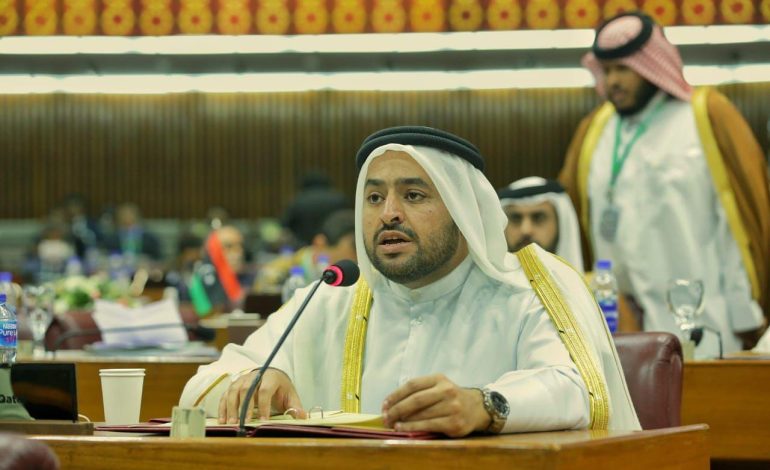

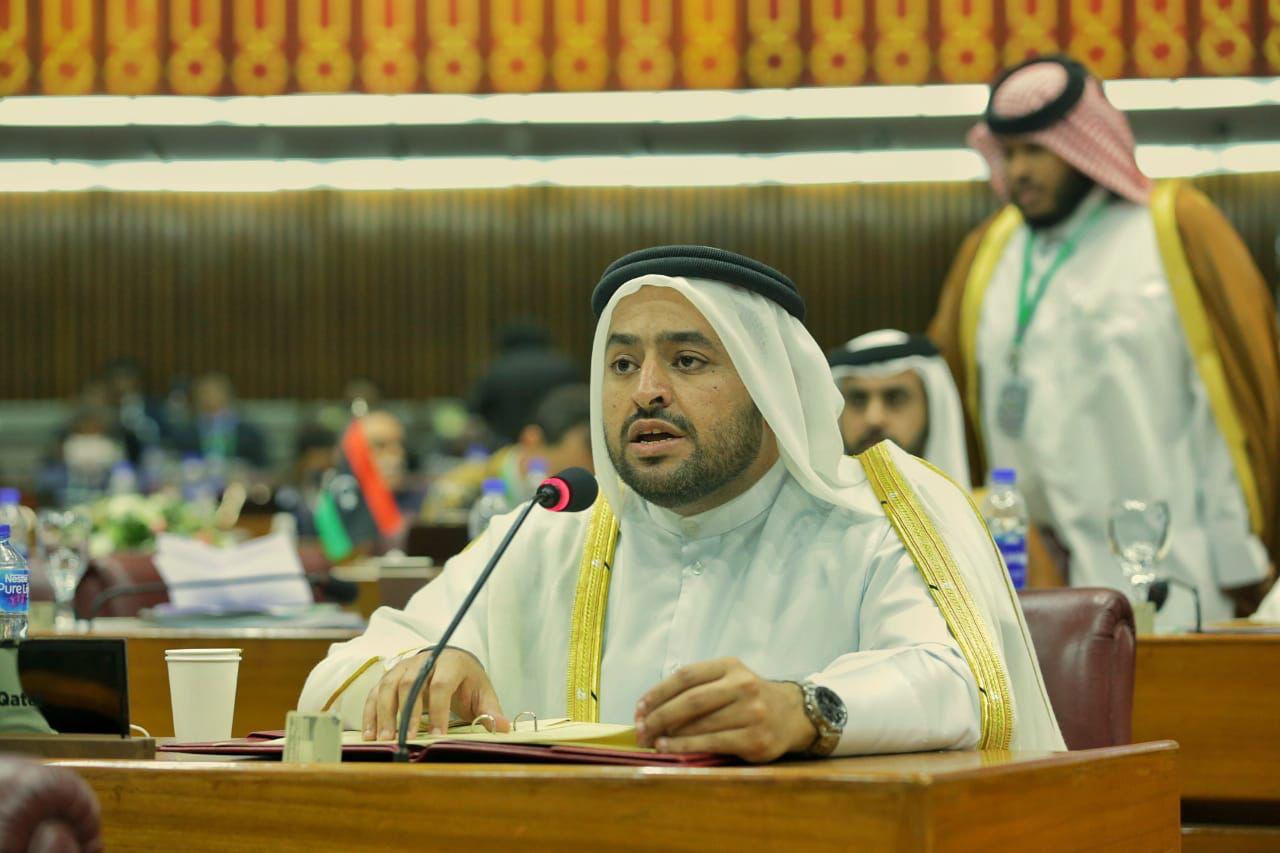
Qatar’s minister of state for foreign affairs has called for a rapid de-escalation of tensions in the Middle East, warning that the ongoing conflict risks destabilising not only the region but also global energy markets.
In an interview with Al Jazeera, Mohammed bin Abdulaziz al-Khulaifi said the only sustainable way forward is a return to diplomacy between Iran and the United States.
“It’s unfortunate where we are standing right now,” the minister said.
“We also believe that there is no pathway to a sustainable and long-lasting solution other than returning to the negotiation table,” he told Al Jazeera.
The comments come as the war between the US, Israel and Iran enters its second week. In response to the air campaign against its territory, Iran has launched missiles and drones across the Gulf region, hitting neighbouring countries, damaging infrastructure and rattling the region’s energy-driven economies.
Al-Khulaifi said Doha is “extremely worried” about the expanding scope of the attacks, particularly those targeting civilian infrastructure.
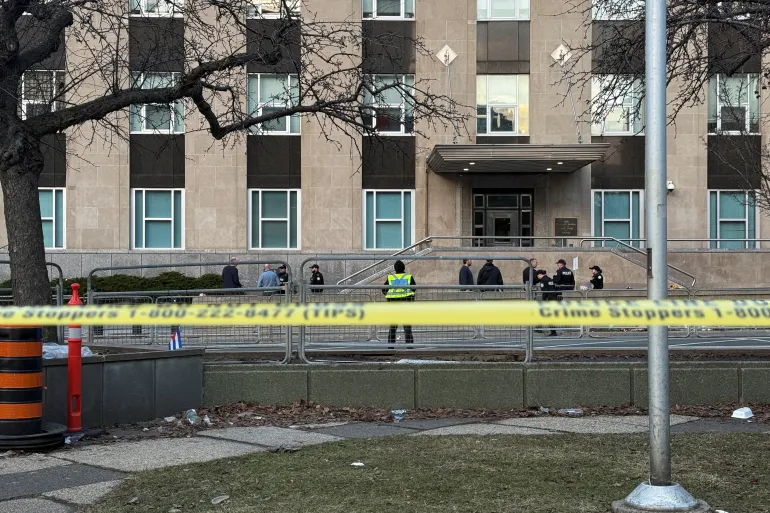
Qatar has condemned what it described as direct strikes against its territory.
Doha condemns in the “strongest terms, the unjustified and outrageous attacks on the state of Qatar that directly impact its own sovereignty”, al-Khulaifi said.
He added that Qatar would respond within the framework of international law.
The country will continue to take “every possible and legal measure to defend and practise its exercise of self-defence against this aggression”, he said.
Beyond the immediate security risks, al-Khulaifi warned that the conflict is also threatening global energy supply chains. The Strait of Hormuz — a narrow but crucial shipping route for oil exports — has been severely disrupted by the fighting.
Ensuring free navigation through the strait is “very critical”, he said, stressing that the crisis requires a coordinated international response.
At the same time, the Qatari official highlighted a political complication created by the current escalation. Iran has launched attacks on Gulf countries such as Qatar and Oman — two states that had previously acted as intermediaries in diplomatic efforts between Tehran and Western governments.
As long as those attacks continue, he said, that mediation role becomes impossible.
“We will not be able to fulfil that role under attack, and that’s something the Iranians need to understand.”
Qatar’s leadership has already conveyed that message directly to Tehran. According to al-Khulaifi, Prime Minister Sheikh Mohammed bin Abdulrahman bin Jassim Al Thani raised the issue in a phone call with Iranian officials several days earlier, urging them to stop targeting neighbouring countries.
“The regional countries are not an enemy of Iran, and the Iranians are not understanding that idea,” al-Khulaifi said.
At the same time, Doha remains in close contact with Washington and continues to advocate for a diplomatic resolution.
“Our line of communication is always open with our colleagues in the United States, and we keep encouraging and supporting the pathway of peace and resolving conflicts through peaceful means.
“We really hope that the parties can find that pathway, end military operations, and return to the negotiation table,” al-Khulaifi said.
t

The latest news in your social feeds
Subscribe to our social media platforms to stay tuned