




The original story by for CNN.
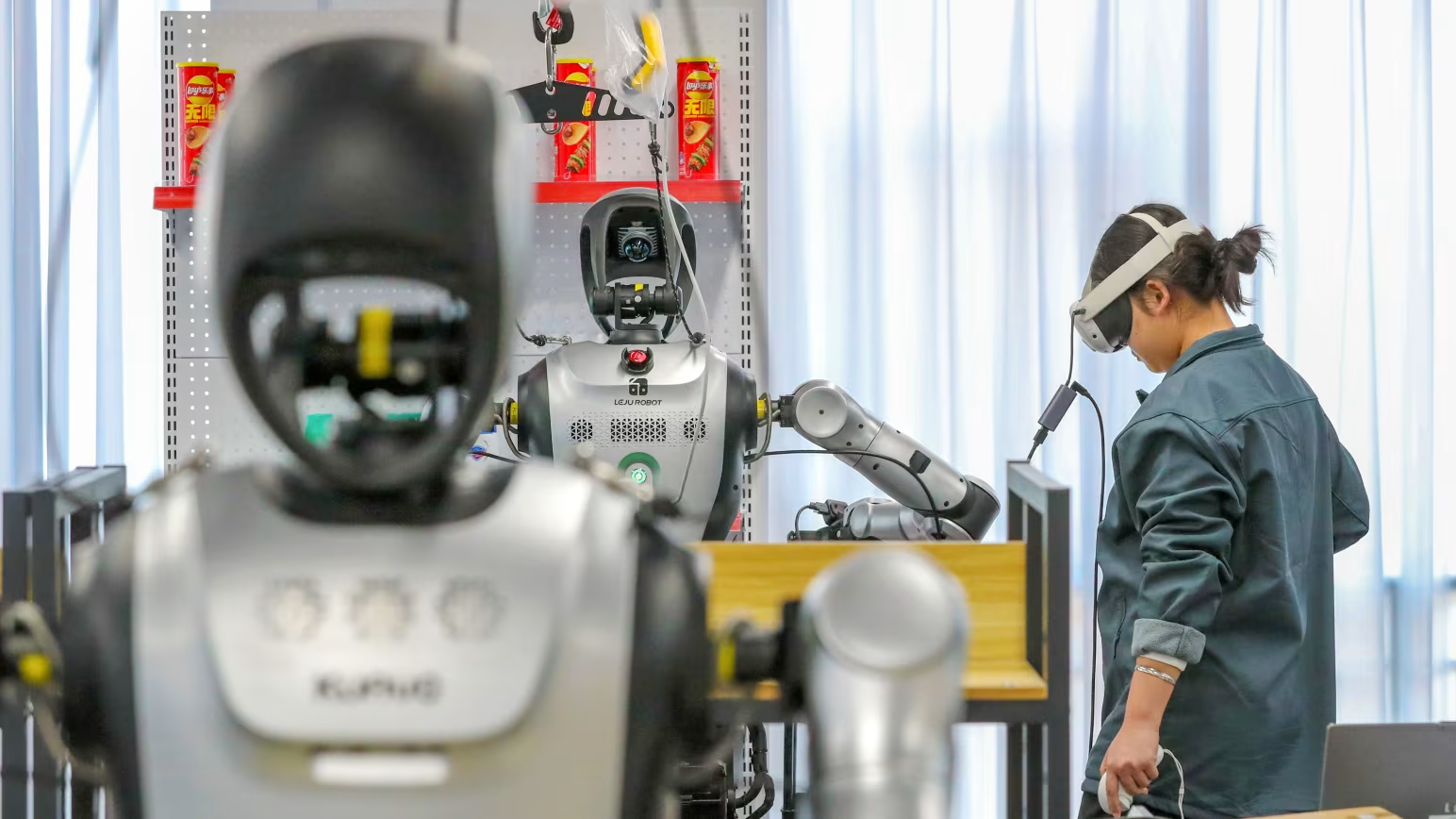
Beijing just kicked off a five-year sprint to do more than close the tech gap with the West — it wants to own the lead. The new policy playbook, signed off by top leaders this week, doubles down on homegrown innovation, chip independence and building out everything from AI and robotics to quantum and aerospace.
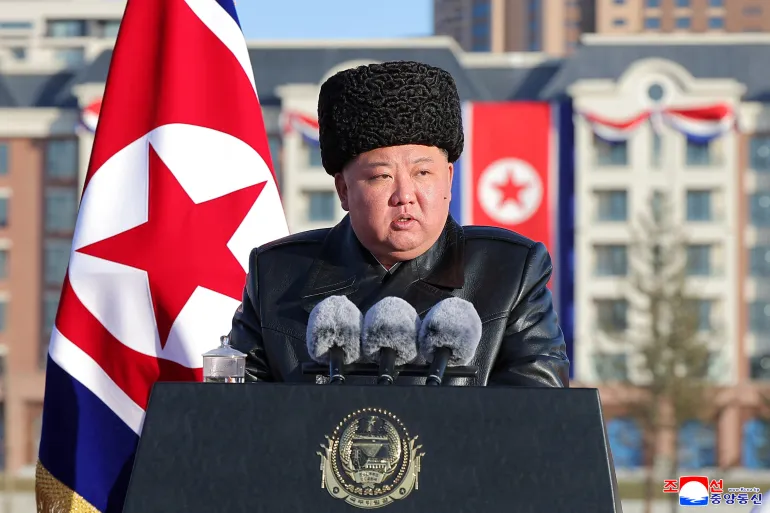
At the center of the push is Xi Jinping, who’s made tech self-reliance a national mission. The plan lays out higher R&D spending, beefed-up industrial upgrades and targets designed to turn China into a global tech bellwether over the next five years — not just a fast follower.
“It’s a shift in mindset,” says Dan Wang of Eurasia Group. “For the first time, China wants to lead in a number of technologies. Previously, the focus was always catching up with the West.”
Why now? Part strategy, part insurance. China’s growth model is under stress — weak consumer demand, a troubled property sector and international trade frictions — and Beijing sees tech as the answer to both productivity and geopolitical pressure. The plan pushes “original innovation” and vows to tackle the stubborn bottlenecks that foreign export controls exposed, especially in advanced semiconductors.
The roadmap reads like a list of today’s buzziest fields. “Artificial intelligence” shows up dozens of times; Beijing wants massive supercomputing clusters, more advanced chips and a domestic AI industry worth trillions of yuan by decade’s end. It’s also betting on next-gen semiconductor steps and niche parts of the chip supply chain where China thinks it can gain an edge over players like Nvidia and others.
Not everyone thinks China imagines it can out-Nvidia overnight. Kendra Schaefer of Trivium China notes Beijing knows the limits:
“They’re not deluded about matching the top US chips in five years. Instead they’re targeting less mature areas of the supply chain and future tech where they can punch above their weight.”
Beijing’s pitch to the outside world is twofold: yes, China will try to decouple where necessary — reducing dependence on foreign cores and tooling — but it also wants to present itself as a stabilizing force for the global economy. Henry Huiyao Wang of the Center for China and Globalization framed it as “organizing strength and vitality” — a way to weather geopolitical storms and keep the machine running.
That inward focus has political logic. Export controls and trade frictions have made “self-sufficiency” a security priority; the plan explicitly targets “decisive breakthroughs” in core tech. Still, officials are realistic about the timeline: the goal is to dominate specific niches rather than replicate every Western lead product this decade.
Internationally, expect competition to get sharper. Analysts reckon collaboration with the US and its allies will narrow as both sides pursue resilience. That could mean less academic exchange, tighter rules on technology flows, and more government money to prop up domestic champions.
Economists warn the strategy is not without risk. Lynn Song at ING points out that China’s push to internalize its tech backbone comes as the economy faces structural headwinds. Betting big on tech could pay off — or it could leave Beijing holding costly capacity if demand doesn’t materialize.
In short: China’s not playing catch-up anymore. The new five-year plan is a full-tilt attempt to set the agenda in key technologies. Whether it succeeds depends on execution, how hard export controls bite, and whether those billions in R&D and industrial policy can turn into real commercial winners — fast enough to matter in a fast-moving tech landscape.



The latest news in your social feeds
Subscribe to our social media platforms to stay tuned