



Fly fishing turns into muskrat angling when rodent bites fly and gets hooked

A Wyoming fly-fishing guide and his clients set out on the legendary Grey Reef section of the North Platte River earlier this month hoping to catch trout—but ended up reeling in a muskrat instead.
The determined little rodent chased down and bit a string leech on a client’s fishing fly, just like a trout would, said Craig Kwiatkowski of the Wyoming Fly Fishing Guide Service.
“Eleven years on the river, and I’ve never had that happen to me,” Kwiatkowski told Cowboy State Daily.
The angling party spotted the muskrat on the river’s surface, but it submerged and they thought it was gone. Then a client cast over the area.
“The next thing I know, he’s hooked up,” Kwiatkowski said. The client reported that something had bitten the fly—not just been snagged.
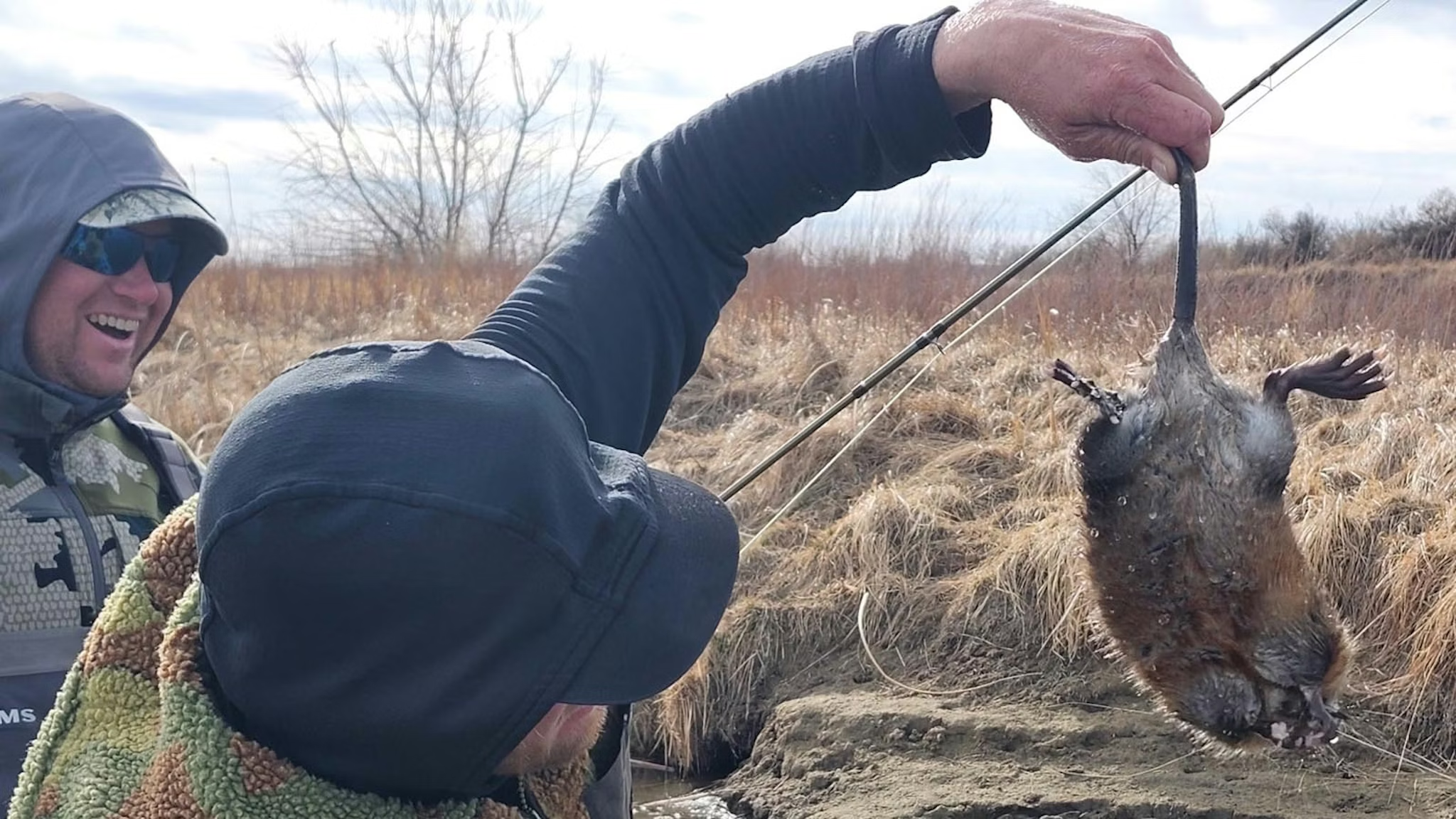
When reeled in, the fly was firmly hooked into the muskrat’s bottom lip.
Kwiatkowski’s next challenge was freeing the muskrat without getting bitten. “He was trying to do sit-ups and bite me, and making noise,” he said. Using forceps normally reserved for removing hooks from fish, he worked carefully as the muskrat tried to grab the tool with its finger-like front paws.
He eventually pulled the hook free and returned the annoyed rodent to the water. “He swam back to rejoin his buddies,” Kwiatkowski said.
Gary Beauvais, director of the Wyoming Natural Diversity Database at the University of Wyoming, said the tale was surprising but not impossible. Rodents can be insectivorous, especially in spring “when they are preparing for reproduction but plant productivity is still pretty low.”
“Annual summaries of rodent diets usually show plant material dominating,” Beauvais said, “but I think that could mask certain short periods of the year when insects and other animal prey become critical nutritional bridges.”
Luckily for the muskrat, it swam away unharmed with a memorable story—and a hook-free lip.



The latest news in your social feeds
Subscribe to our social media platforms to stay tuned