

Power, Memory, and Museums: Why Armenia’s Genocide Institute Just Lost Its Head
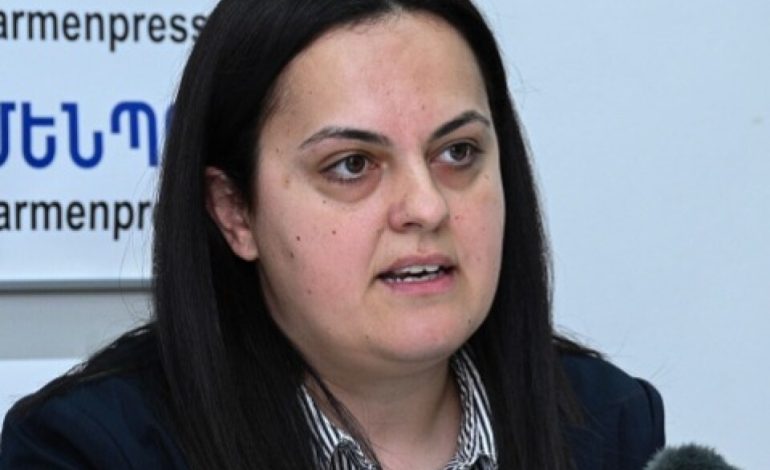

Armenia woke up to a new row about history and politics when Prime Minister Nikol Pashinyan publicly acknowledged he had forced the director of the Armenian Genocide Museum-Institute to resign after a contentious foreign visit. The episode lays bare a familiar but painful tension: who controls collective memory when that memory touches live, hot politics?
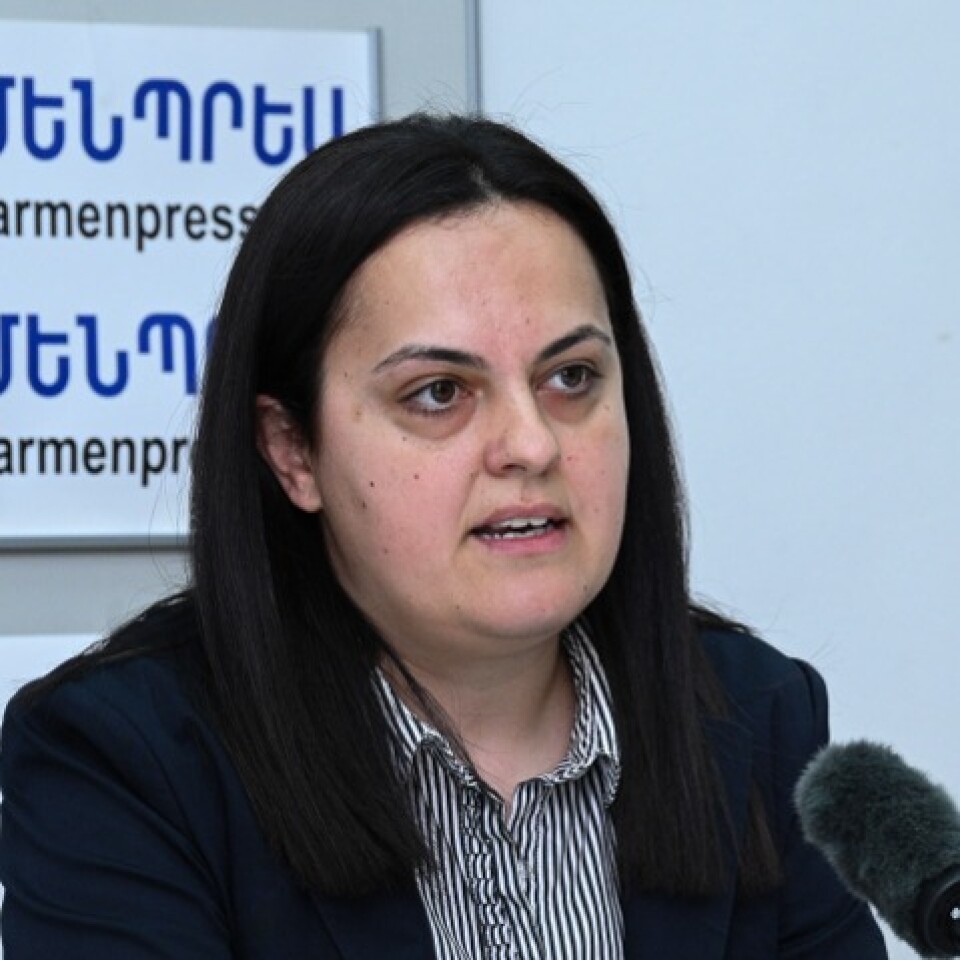
The short story: Edita Gzoyan, who led the nation’s preeminent memorial and research body, escorted US Vice-President J.D. Vance during his February visit to the Tsitsernakaberd complex and gave him books that linked the Armenian Genocide to later violence in the region. VP Vance posted about the visit and later deleted a post; the images and the giveaway set off a political storm. Mr. Pashinyan said Gzoyan’s actions contradicted Armenia’s official foreign-policy line – especially the government’s insistence that the Karabakh issue is closed – and ordered her out. Gzoyan offered her resignation, board members walked out in protest, and the prime minister moved quickly to replace them.
That sequence of events – a museum director doing what cultural diplomats have done for decades (show a foreign guest the painful bits of a nation’s past) and then being sacked for it – looks shocking on its face. But it also fits into a longer pattern of politics reshaping institutions of memory across the region. The controversy has prompted historians, civic groups and museum staff to demand Gzoyan’s reinstatement and to warn that scholarly independence is under threat.
Museums and memorials are rarely neutral. They are both repositories of evidence and instruments of interpretation. The Armenian Genocide Museum-Institute (AGMI) is a research center and the symbolic home of national memory for a people whose key victimhood narrative – the mass killings of 1915 – remains contested internationally and geopolitically sensitive locally. When a museum director connects the genocide to other episodes affecting Armenians (for instance, violence in Artsakh), she’s not only recounting history; she’s implicitly making claims about continuity, causality and responsibility. Those claims can be read as support for political positions – or, as Pashinyan argued, as undermining official diplomacy.
For scholars and curators, the danger is structural. When governments treat museum speech as a branch of foreign policy, research agendas and exhibitions can be chilled. The mass resignation of AGMI board members – including prominent figures in Armenian studies – and public appeals from genocide scholars signal a broader alarm: the fencing of institutional autonomy in the name of “coherent” diplomacy risks hollowing out independent memory work.
Pashinyan’s government has taken a distinct posture since the 2020 war and the 2023 developments in Karabakh: publicly closing that chapter, recognizing new realities, and seeking to recalibrate relations with neighbors. That policy is politically fragile and electorally sensitive at home. Any museum act that appears to re-open the question of Artsakh or to rally diaspora pressure can become immediate political ammunition. Critics say Pashinyan weaponized that vulnerability, while supporters argue the state must keep a consistent diplomatic voice. Either way, a cultural worker – not an elected politician – got caught between two sets of expectations.
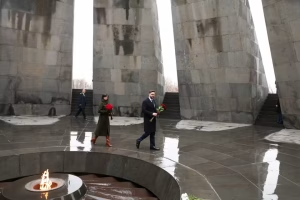
International optics were messy too. US officials’ visit and the subsequent social-media back-and-forth amplified what might have been a domestic protocol spat into an international story. News outlets noted that the VP’s post was deleted and reported conflicting accounts about what was said and shown – details that fed the crisis’ speed and reach.
Three immediate risks deserve attention.
First, self-censorship. If directors and curators now fear political reprisal for routine acts of interpretation, exhibitions may get toned down; research programs touching on contemporary implications will be postponed or framed in narrowly apolitical terms. This is the opposite of what a thriving field needs: open archival work, debate, and the ability to connect past and present. Scholars and former board members worry the AGMI could become a safer, sanitized version of itself – a museum that catalogs but does not interrogate.
Second, brain drain and reputational cost. When veteran scholars resign in protest or feel their institution has been captured, younger researchers may turn elsewhere. Academic credibility is built slowly; it can be damaged swiftly. International partners – archives, universities, funding bodies – watch governance and academic freedom closely when deciding collaborations. The AGMI’s standing matters not just symbolically but practically for the future of Armenian studies.
Third, the politicization of remembrance will deepen diaspora splits. Diaspora communities are a major constituency for Armenian genocide recognition and scholarship. A museum perceived as politicized or muzzled can fracture transnational trust: some diaspora actors will press harder for uncensored remembrance, others will seek institutional alternatives. That dynamic could fragment funding, research networks and advocacy campaigns at a crucial moment.
If anything productive can come from this mess, it will require disentangling cultural memory from ad-hoc executive control – not to isolate museums from politics altogether, but to give practitioners clear guardrails:
- Reaffirm institutional autonomy with transparent rules. The AGMI should clarify the appointment and dismissal procedures for its leadership, ideally through legal and parliamentary safeguards, not unilateral executive decisions. Clear criteria for acceptable public engagement by museum staff would reduce ambiguity and pretextual firings.
- Create independent oversight with scholarly representation. Reconstitute a board that includes domestic and international genocide scholars, museum professionals, and civil society representatives. That plurality would legitimize decisions and reduce the sense that museum posture is a simple extension of current foreign policy.
- Invest in plural fora for memory diplomacy. Governments inevitably have a foreign-policy line; museums should have a practice of “memory diplomacy” that allows curated historical briefings for delegations but records them and makes them available for scholarly review. This lowers the stakes: if a diplomat hears a tough scholarly framing, that should be reported – not punished – and contextualized in formal channels.
The forced resignation is a stress test. Armenian genocide studies are robust: archives, diaspora scholarship, and institutional knowledge form a dense ecosystem. But institutional resilience depends on governance. If the AGMI recovers its independence, the field could gain a renewed mandate to connect archival evidence with contemporary human-rights advocacy. If not, academic work may splinter outward – into universities, international centers, and diaspora-led initiatives.
Either way, the episode is a reminder that memory policies rarely live in an ivory tower. They are entangled with national narratives, electoral politics, and diplomatic strategy. The question for Armenia – and for scholars who care about how societies remember mass violence – is whether museums will be places for evidence-based debate or theaters for policy discipline. The answer will shape the next generation of Armenian genocide research.

The latest news in your social feeds
Subscribe to our social media platforms to stay tuned