

What the SPR Actually Is — and Why Washington Just Popped the Cork


With input from CNN, Politico, BBC, and the Hill.
The US just opened the taps. With oil prices spiking thanks to the war in the Middle East, Washington announced a big, blunt fix: a release of 172 million barrels from the Strategic Petroleum Reserve. The headline number is huge. So is the logic behind it. Here’s the shorthand version: the SPR is America’s gigantic emergency stash of crude, carved into salt caverns along the Gulf Coast, kept for moments when oil shipments stop moving and prices threaten the economy. That moment feels a lot closer now.
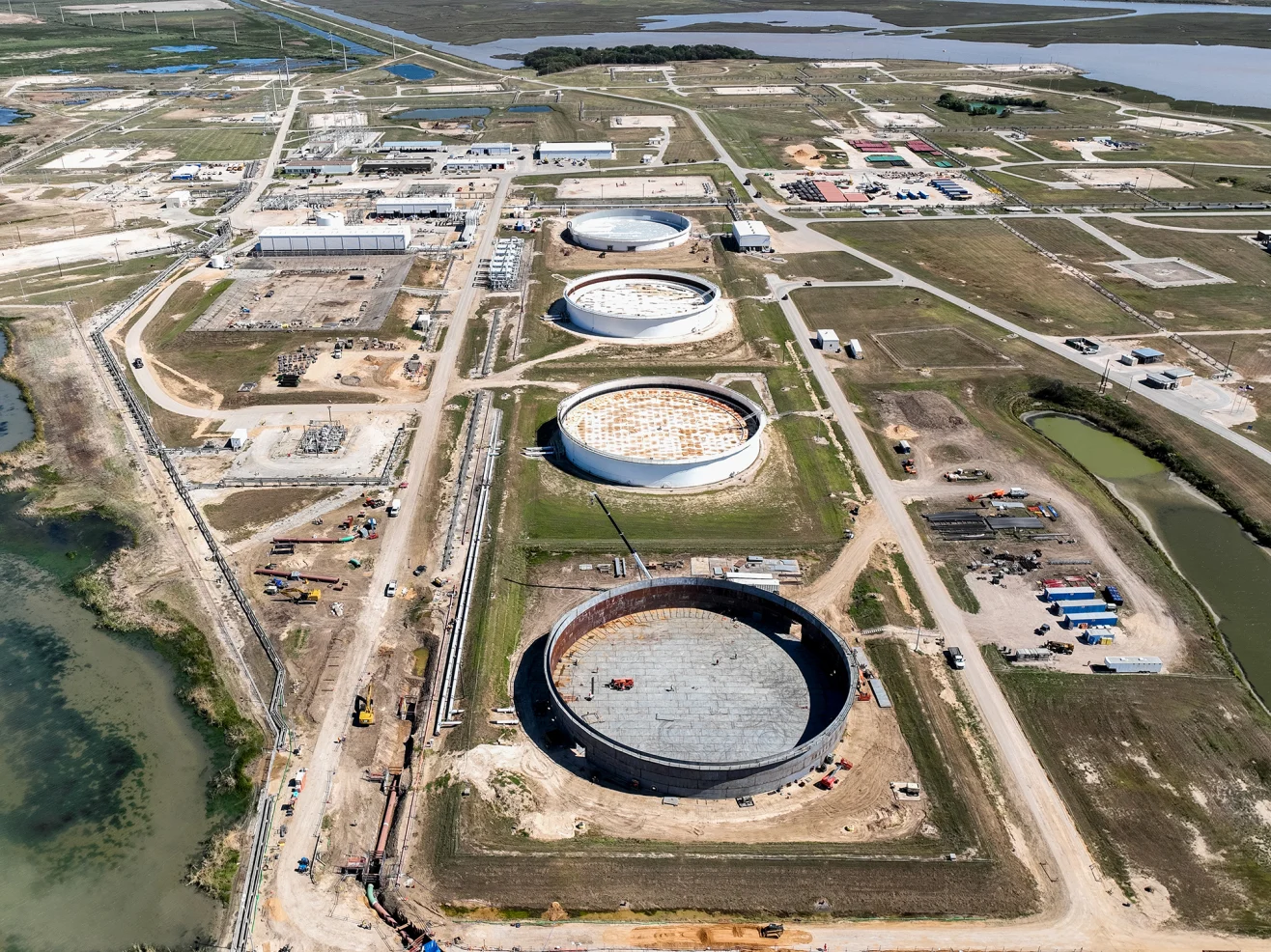
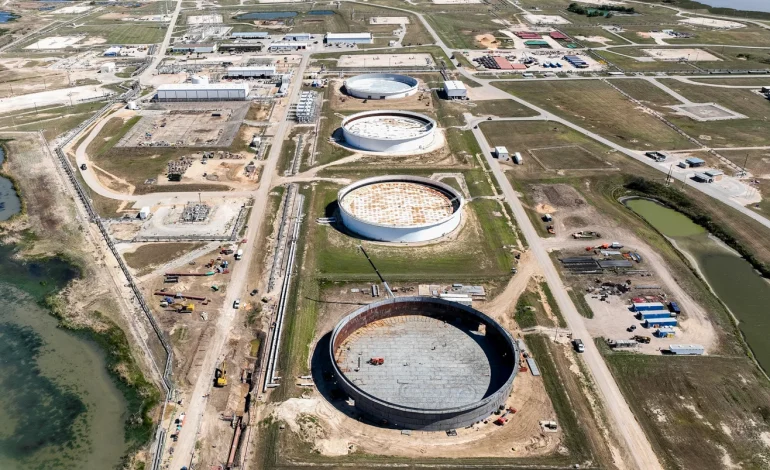
The reserve isn’t a field of black tanks on the surface. Think underground. The DOE stores federally owned crude in more than 60 salt caverns clustered at four sites on the Gulf Coast. One of the best-known of those sites is Bryan Mound site. Each cavern is cavernous — roughly 200 feet across and more than 2,500 feet deep. To get a sense of scale: a single hollow could almost swallow two Empire State Buildings stacked end to end.
At full theoretical capacity, the SPR can hold north of 700 million barrels (the precise max is about 713.5 million barrels today). But inventories ebb and flow. After big drawdowns in recent years, the reserve sits at roughly 415 million barrels as of early March. That’s a meaningful cushion — about 125 days’ worth of US crude oil net imports — but it’s a lot less than the absolute maximum.
The government fills the SPR a few ways. Sometimes the DOE buys oil on the open market when crude is cheap. Other times it makes exchange deals with private firms: a company borrows SPR barrels now and pays them back later with extra oil, like interest. In the pandemic, when demand collapsed, the SPR even housed surplus crude from private companies. It’s a functional warehouse, not just a museum piece.
A president can authorize an emergency drawdown. Once ordered, the DOE typically auctions the barrels off to refiners, traders and big oil buyers. The SPR is hooked into pipelines and marine terminals on the Gulf, so oil can start flowing to refineries in roughly 13 days after an order — faster than you’d think for such a big literal underground operation.
But releases aren’t only for clear-cut emergencies. The energy secretary can authorize exchanges, test sales or temporary swaps to relieve local disruptions — think Katrina-style logistics problems. Still, dumping tens or hundreds of millions of barrels is the kind of move reserved for real fractures in global supply.
The immediate cause for Friday’s release: an actual and potential stoppage of shipping through the Strait of Hormuz. Iran’s fresh leadership has signaled the strait should remain closed as a pressure tool, and attacks on tankers and other vessels have made transits risky. The International Energy Agency — the International Energy Agency — warned the situation was creating the largest supply disruption seen in decades, and coordinated with member countries to free up emergency oil. The IEA’s release — a record 400 million barrels from 32 member states — plus the US contribution was meant to calm markets and keep crude from running higher.
That didn’t stop Brent crude from jumping above $100 a barrel during the flare-up. Traders are pricing risk in the near-term market — which is why front-month contracts are blowing past distant ones. In plain English: buyers are paying a premium to secure physical oil now because they worry barrels won’t be available tomorrow.
The 172 million barrels are big in absolute terms but modest compared with global daily demand (well over 100 million barrels per day worldwide). The DOE says the US can deliver that fuel over roughly 120 days. If no replenishment happens, the SPR would fall to about 243 million barrels — a much leaner posture. Officials have claimed plans are in motion to replace nearly 200 million barrels over the next year, which would more than offset the drawdown on paper.
Releasing oil is one of the few tools a president can deploy unilaterally to try to shore up prices and soothe voters worried about filling stations and heating bills. President Donald Trump made the call this time, and used the moment to argue higher oil prices can be profitable for US producers. Energy Secretary Chris Wright warned the move will mean “short-term pain” for Americans at the pump even as it aims to blunt a longer-term hit.
Emergency releases are a blunt instrument. They can pull forward supply and reduce volatility, but they don’t fix the underlying security problem: if ships can’t or won’t transit the Gulf, or energy infrastructure is being attacked, markets still fear bigger chronic shortages. Analysts point out that while the SPR and the IEA release are big numbers, they’re still temporary fixes to a problem rooted in geopolitics. If fields and ports stay offline for weeks or months, stockpiles only buy time.
The shock isn’t just for US drivers. Asian countries that rely on Middle Eastern crude are already feeling the pinch. Long queues at petrol pumps have been reported in places like the Philippines, and authorities in Thailand and Vietnam have taken odd policy steps — from telework drives to energy-conservation measures — to blunt the impact. Central banks and policymakers watch all this closely because sustained energy inflation can choke off growth and change interest-rate plans.
The Strategic Petroleum Reserve is America’s pull-to-red emergency option. It’s big, flexible and fast enough to make a dent in short-term supply shocks. But it’s not a substitute for quiet seas and secure pipelines. If the crisis is a brief, acute squeeze, the SPR plus the IEA release could calm prices and buy breathing room. If the Strait stays closed and attacks continue, these barrels will only postpone the pain.
For now, Washington’s message is practical and urgent: use stockpiles to steady the market and buy time while diplomatic and military steps try to reopen routes. The SPR will do its job — it always has when called — but what happens next will depend on whether oil can move freely again.


The latest news in your social feeds
Subscribe to our social media platforms to stay tuned