



Wyoming has launched a $4 million Outdoor Rec and Tourism Trust Fund to expand trails and amenities, aiming to manage the impacts of a booming tourism industry while improving quality of life for residents and boosting local economies.
The first grants from the fund, finalized in 2024, will be awarded this spring. Over time, the trust fund will continue to grow, with the state pledging $6 million in new funding every two years with a goal of eventually reaching $100 million.
Snowmobilers turning highways into parking lots, aging shooting ranges with no funding source, and unplanned trails popping up in popular areas like the Sinks or the Winds are just a few of the growing pains Wyoming has faced as its outdoor recreation popularity climbs.
Until now, there’s been little state funding to address such issues, leaving communities to handle problems on their own.
“Our goal is to eventually have $100 million or more in funding,” said Mark Tesoro, manager of the Wyoming Office of Outdoor Recreation. “It will take time to grow it that much, but that’s the current language in the bills.”
The investment comes as new federal data confirms outdoor recreation’s growing economic impact. A U.S. Bureau of Economic Analysis report shows Wyoming’s outdoor recreation industry grew to $2.3 billion in 2024, representing 4.5% of the state’s GDP—the fifth highest in the nation. Jobs in the sector increased from 15,800 to around 16,500.
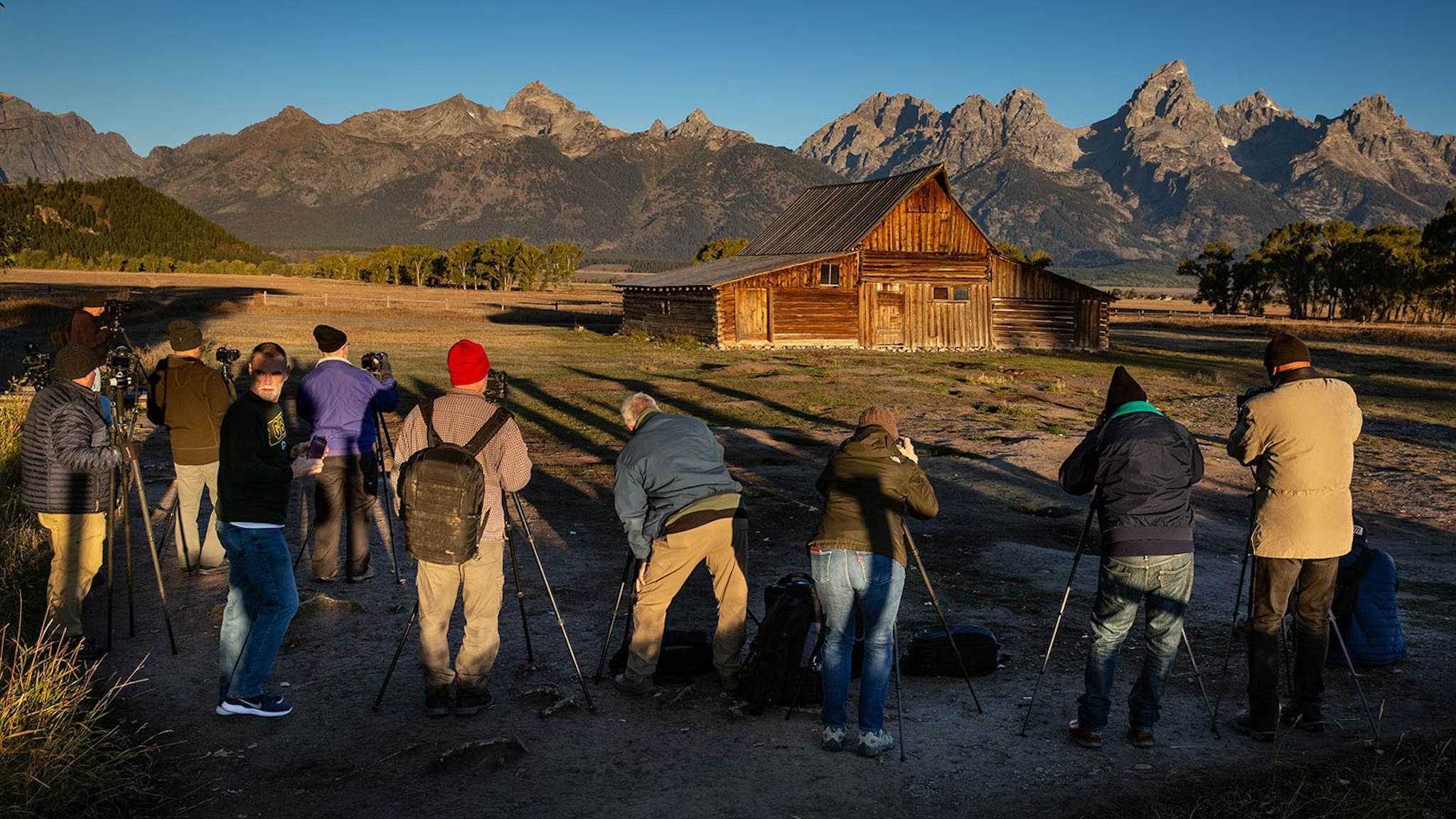
The fund aims to address two goals: making Wyoming a destination visitors want to come to, while keeping it a place where people want to live. It will help disperse visitors from overcrowded areas like Jackson and the Tetons while giving smaller communities resources to develop their own amenities.
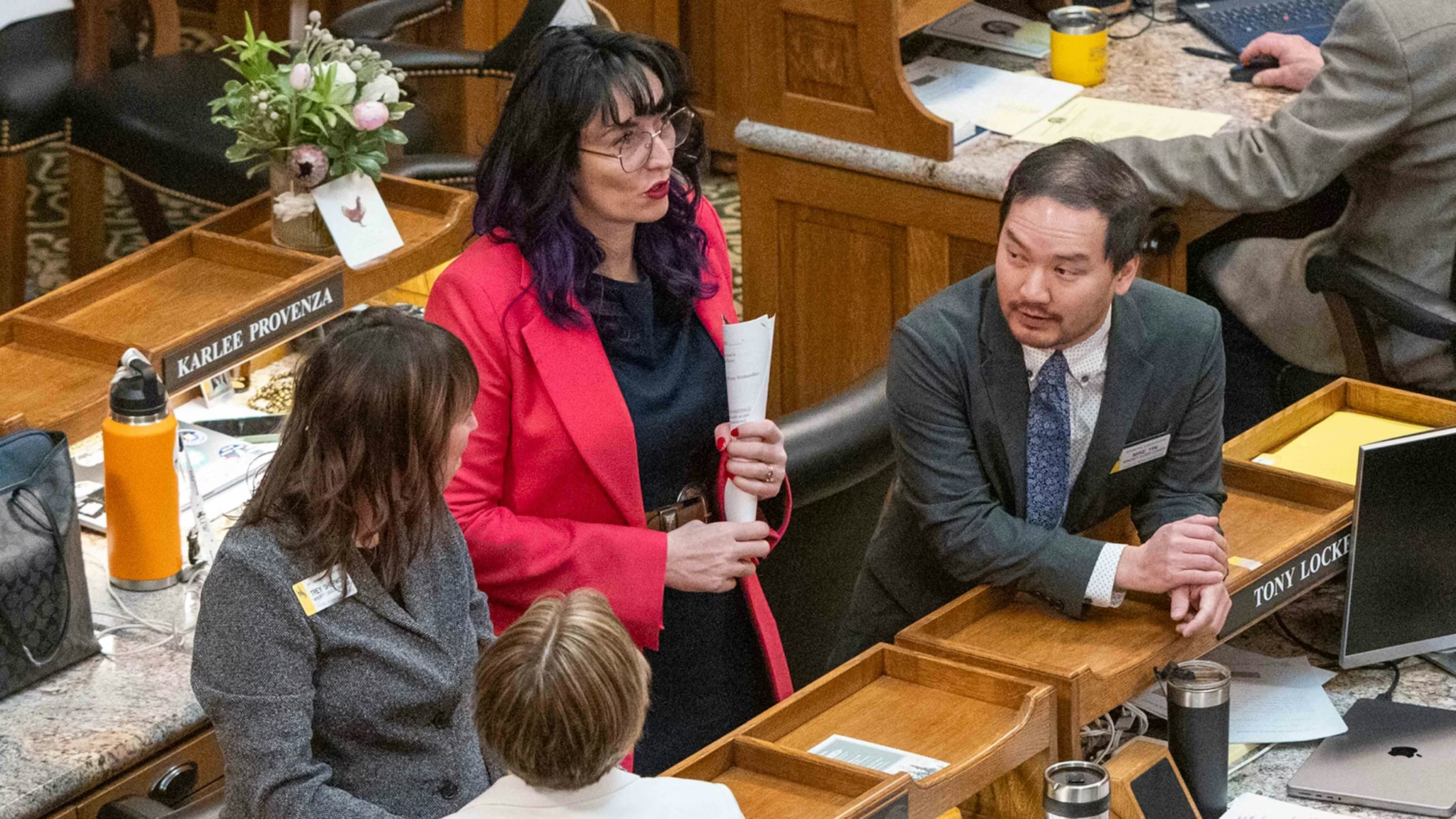
Jeremiah Rieman, who chairs the board overseeing the grants, emphasized the importance for residents. “What was key to me was really an emphasis on our residents and ensuring that our children, and we ourselves, have the ability to go to quality recreation sites,” he said.
The fund will allow communities to take a proactive approach to managing visitors—educating them, dispersing them and concentrating them in appropriate areas rather than letting them create problems on their own.



The latest news in your social feeds
Subscribe to our social media platforms to stay tuned