

IEA agrees record oil reserve release as Iran war disrupts global supply
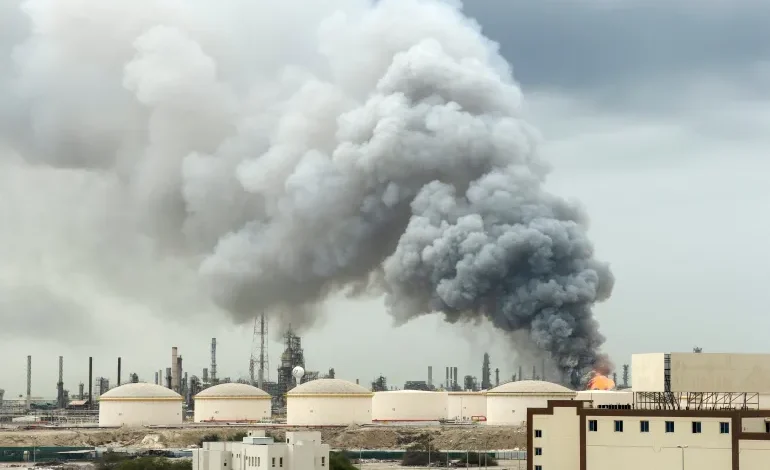


The International Energy Agency has agreed to release 400 million barrels of oil from the strategic reserves of its member states, a move aimed at easing the surge in global energy prices triggered by the United States-Israeli war on Iran.
The scale of the proposed release is unprecedented. It exceeds the 182 million barrels that IEA members put onto the market in 2022 following the start of the war between Russia and Ukraine.
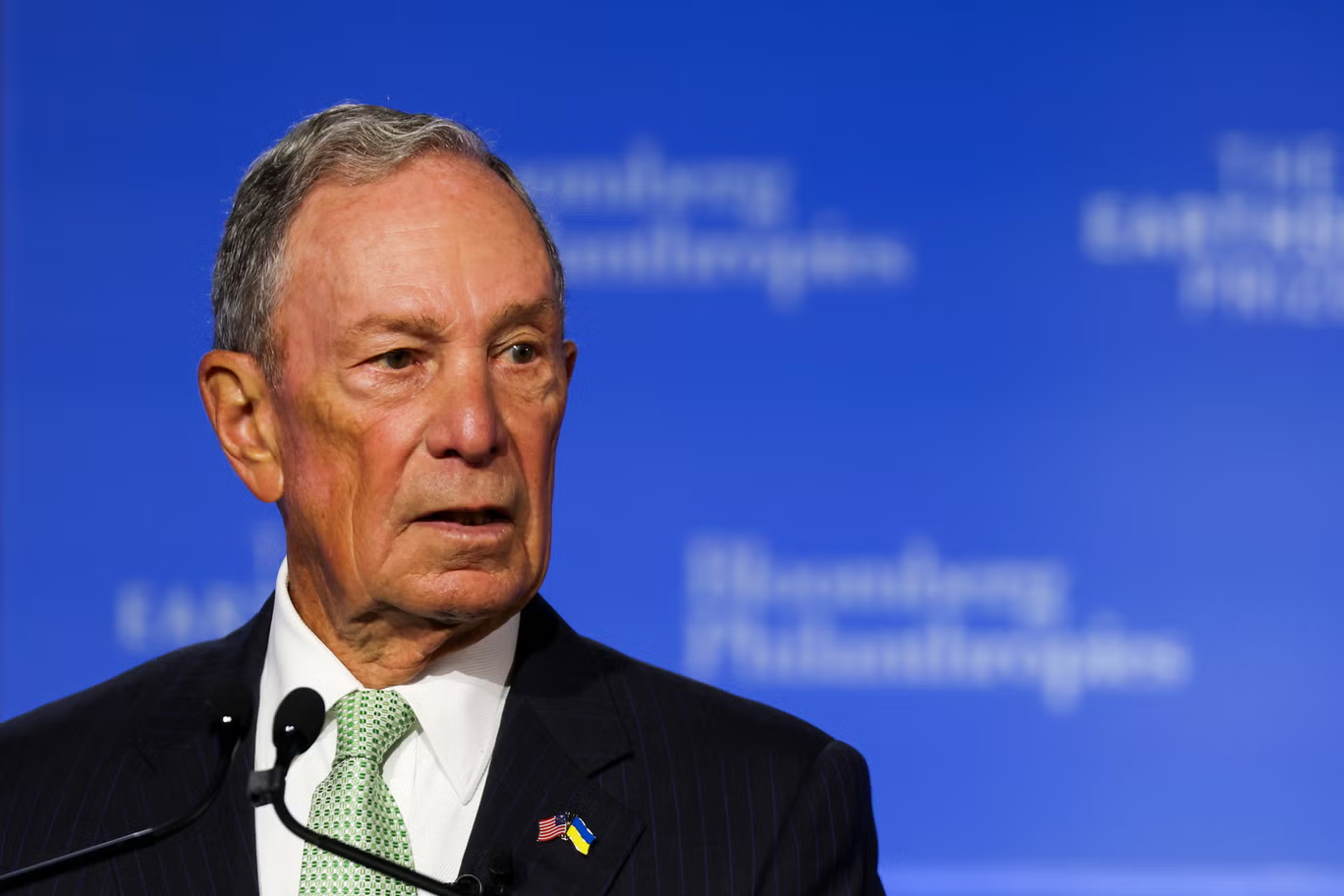
Announcing the decision on Wednesday, IEA Executive Director Fatih Birol described the current market situation as unusually severe.
“The oil market challenges we are facing are unprecedented in scale, therefore I am very glad that IEA member countries have responded with an emergency collective action of unprecedented size,” Birol said in a statement.
He said supply pressures were already emerging across the region.
“Without sufficient routes to market and with no more available storage, Middle East oil producers have started to reduce production,” Birol said. “And we have seen further attacks and damage to energy and energy-related infrastructure. Refinery operations have also been disrupted, with major implications for jet fuel and diesel supplies in particular.”
IEA countries collectively hold more than 1.2 billion barrels of emergency oil reserves. An additional 600 million barrels are stored by private industry under government obligations.
The release comes after the Strait of Hormuz — one of the world’s most important oil transit routes — was effectively shut to commercial shipping following the outbreak of the war on February 28. Iran has threatened to attack vessels moving through the narrow waterway, through which roughly one-fifth of global oil and gas supplies normally pass.
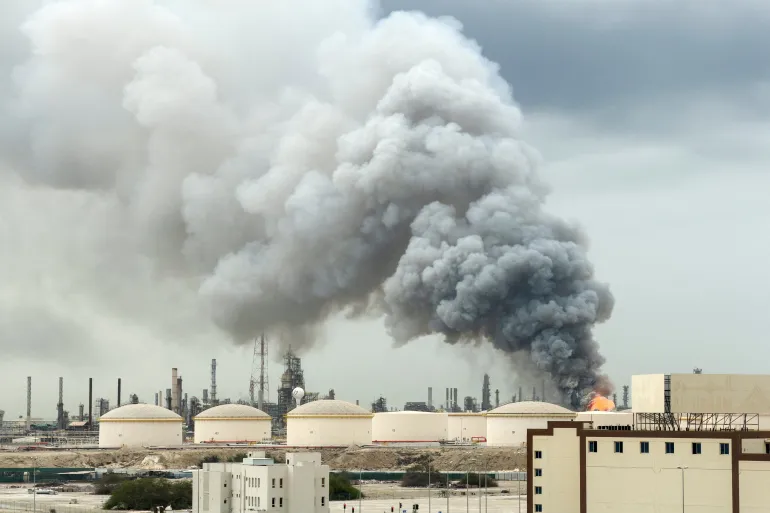
At the same time, Iranian forces have targeted oil fields and refineries in Gulf Arab states in response to US and Israeli strikes, raising concerns about broader supply disruptions across the region.
The conflict has pushed global oil prices sharply higher. Since the start of the war, the international benchmark Brent crude has risen by more than 25 percent.
Earlier this week Brent briefly reached $119 a barrel, marking the first time oil had crossed the $100 threshold since 2022. Following the IEA announcement, prices eased somewhat, with Brent trading above $90 per barrel.
Even so, analysts caution that the scale of the emergency release may do little to fundamentally change supply dynamics.
According to analysts at Macquarie, the planned 400-million-barrel release represents roughly four days of global oil production and about 16 days of the crude that normally passes through the Gulf.
“If that doesn’t sound like much, it isn’t,” the analysts said in a note cited by Reuters.
Several countries have already outlined their contributions to the effort. Germany and Austria indicated they would release portions of their reserves following the IEA request. Japan said it would begin releasing part of its stockpiles starting Monday.
The United Kingdom said it would contribute 13.5 million barrels to the coordinated release, while South Korea announced it would supply 22.46 million barrels from its strategic reserves.


The latest news in your social feeds
Subscribe to our social media platforms to stay tuned