



With input from CNBC and the Independent.
The 50 biggest givers in the US handed over $22.4 billion to charity in 2025 — but that headline number hides a weird wrinkle: some of the country’s most generous wallets didn’t show up on the list. According to Chronicle of Philanthropy, the Philanthropy 50 is real money, real impact — and a little rattled by secrecy.
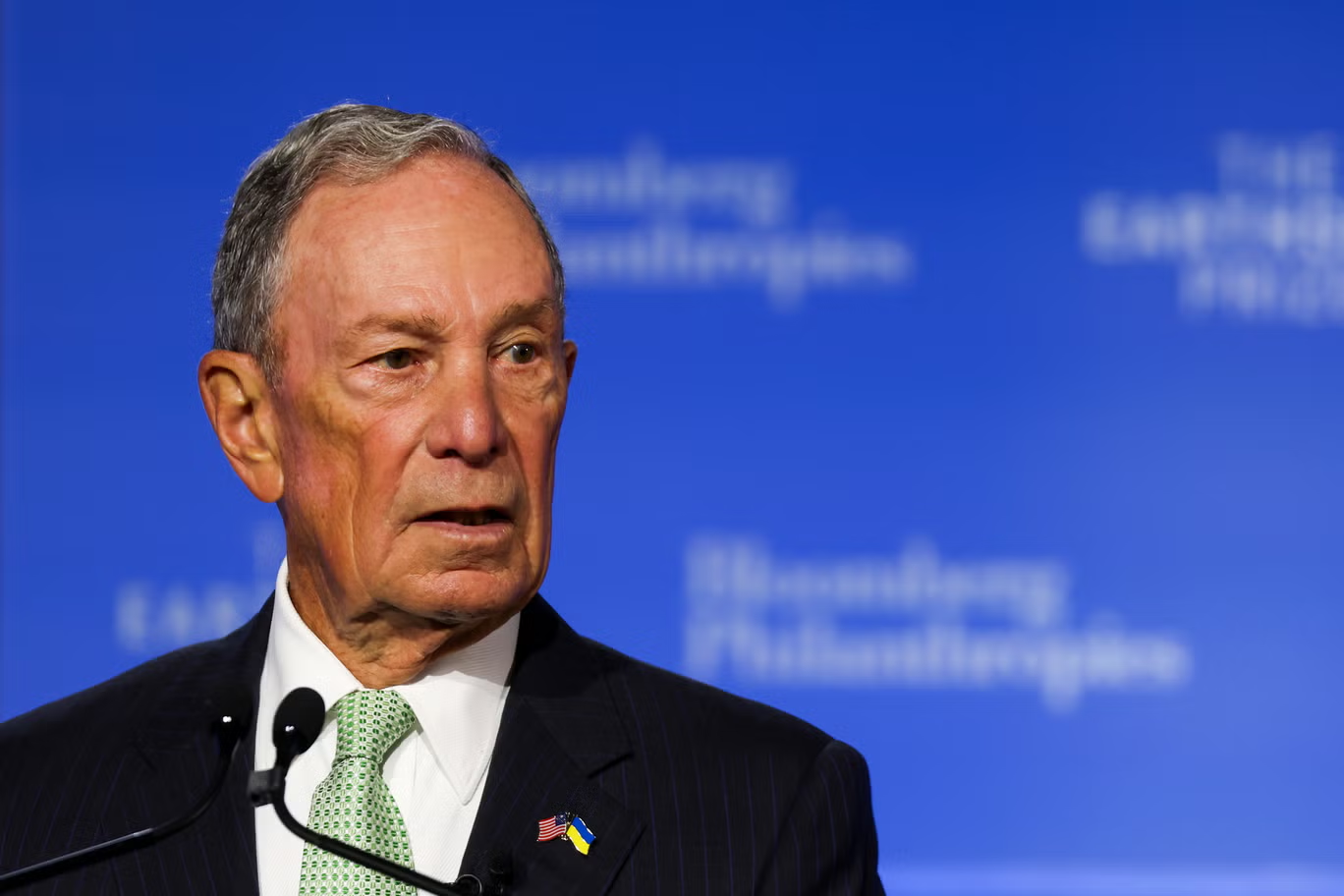
Topping the list for the third straight year was Michael Bloomberg, who gave about $4.3 billion to arts, public health and civic projects. But one of the most visible names in big-dollar giving, MacKenzie Scott, didn’t make the cut — even though she announced roughly $7.2 billion in gifts over the past year and has given more than $26 billion since 2020. That odd mismatch comes down to verification rules: the Chronicle usually needs donors or their reps to confirm where money went before it counts the gifts.
Maria Di Mento, a senior editor at the Chronicle, says privacy is a growing factor. Maria Di Mento told reporters that many ultra-wealthy donors are keeping donations under wraps to avoid nonstop solicitations — and the Chronicle can’t list gifts it can’t verify. In practice that means big public claims don’t always translate into Philanthropy 50 entries, especially when donor-advised funds are involved.
A few other headline facts from the ranking: Bill Gates gave $3.7 billion; the late Paul Allen left about $3.1 billion for a new science-and-tech foundation; and Warren Buffett funneled roughly $1.3 billion into family foundations. The median gift on the list was $105 million.
Notably, only 19 members of the Forbes 400 turned up in the Chronicle’s top 50 — a steady pattern even as the Forbes cohort gets richer. Part of that is choice: some billionaires give in ways that are hard to track (like blind transfers or grants to unknown recipients), and the Chronicle won’t count donations it can’t verify.
Some of the less flashy entries showed how steady relationships yield big checks. The charitable couple Robert and Karen Hale gave nearly $111 million across longtime beneficiaries, including a $100 million gift to a children’s hospital. And donors tended to stick with causes they know: universities, health care, science and athletics were big recipients.
Geography also mattered. More donors live in New York and California than anywhere else, and nonprofits in those states collected the lion’s share of the cash. Sector-wise, finance and tech were the biggest sources of wealth among givers — tech donors alone contributed about $10 billion.
Bottom line: the Philanthropy 50 is a snapshot, not a full accounting. It tells you who opened their checkbooks and verified the math — but not necessarily who gave the most. If someone’s name is missing, it doesn’t always mean stinginess; sometimes it just means they like to keep the receipts private.

The latest news in your social feeds
Subscribe to our social media platforms to stay tuned