


WHO Warns Iran Oil Strikes Could Trigger Public Health Risks

The head of the World Health Organization has warned that recent Israeli strikes on oil facilities in Iran could create serious public health risks, particularly for vulnerable groups such as children and older people.
WHO Director-General Tedros Adhanom Ghebreyesus said Monday that damage to petroleum infrastructure could contaminate essential resources.
The destruction of fuel facilities “risks contaminating food, water and air”, he said.
Those hazards “can have severe health impacts especially on children, older people, and people with pre existing medical conditions”, Tedros warned in a post on X. “Rain laden with oil has been reported falling in parts of the country.”
The warning comes after Iranian authorities said oil installations in Tehran and the neighboring province of Alborz were hit on Saturday as part of the ongoing war involving the United States, Israel and Iran.
Israel confirmed it had targeted energy infrastructure in the capital.
According to Israeli officials, the strikes hit “a number of fuel storage facilities in Tehran” that were used “to operate military infrastructure”.
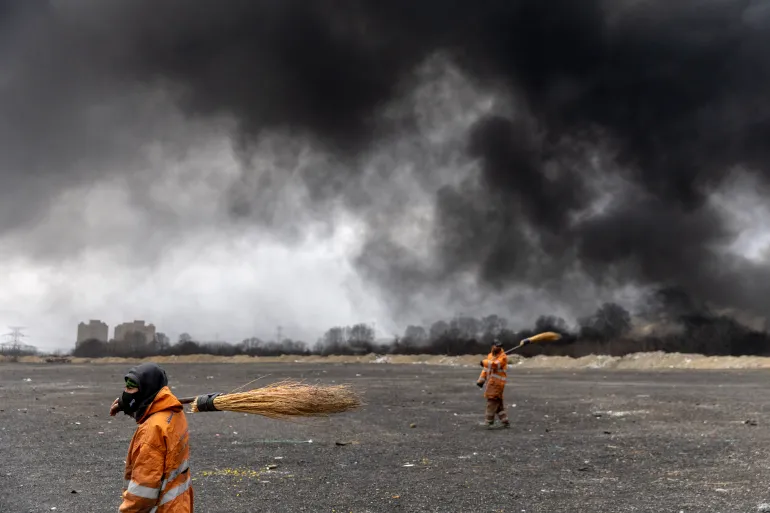
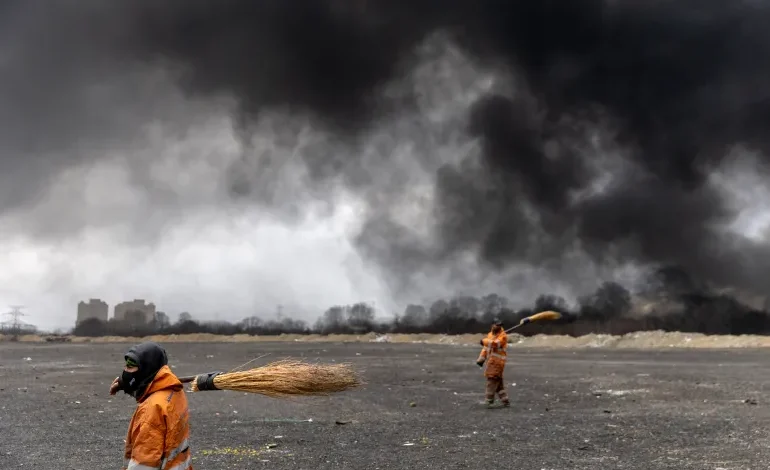
Footage and reports from the Iranian capital showed massive flames and dense black smoke rising into the sky after the attacks. Al Jazeera’s Tohid Asadi reported that black raindrops were seen falling early Sunday morning in some areas.
The strikes on oil facilities represent a new phase in the conflict, as attacks increasingly focus on infrastructure linked to energy and logistics. The United States and Israel have indicated they will continue operations despite growing international concern about the conflict’s expansion.
Iran has responded by launching missile and drone attacks across the Middle East, including strikes on energy infrastructure in neighboring Gulf countries.
Human rights organizations have criticized all sides for attacks that risk harming civilians.
Agnes Callamard, secretary general of Amnesty International, said the strikes on Iran’s oil facilities raised serious questions about civilian protection.
“Israel should have taken all feasible precautions to avoid or minimize the risks to civilians when targeting oil refineries,” Callamard wrote on X.
“The incidental harm to civilians, including the release of toxic substance, appears to indicate that too little precautions were taken and that the incidental harm to civilians is disproportionate.”
She added that reports from Tehran highlighted the broader impact of the bombing campaign.
“The scenes of catastrophe described by Iranians after Tehran’s oil depots were bombed are yet another demonstration that ultimately, whatever they may say, the US and Israel’s attacks on Iran are harming first and foremost civilians, including children.”


The latest news in your social feeds
Subscribe to our social media platforms to stay tuned