



Donald Trump Presses Allies to Reopen Strait of Hormuz as Brent Tops $106

With input from AlJazeera, the Financial Times, CBS New, and the New York Times.
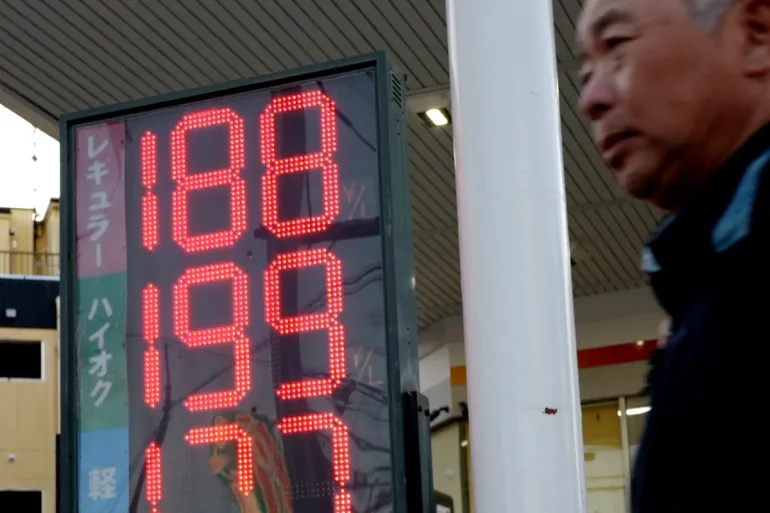
Oil keep climbing as the shipping choke point shows no sign of reopening. Brent crude jumped as much as 3% on Sunday to top $106 a barrel, later easing to about $104.63 a barrel at 04:30 GMT — roughly a 1.5% gain from earlier. Traders are betting the traffic halt through the strait will last, and prices are reacting accordingly.
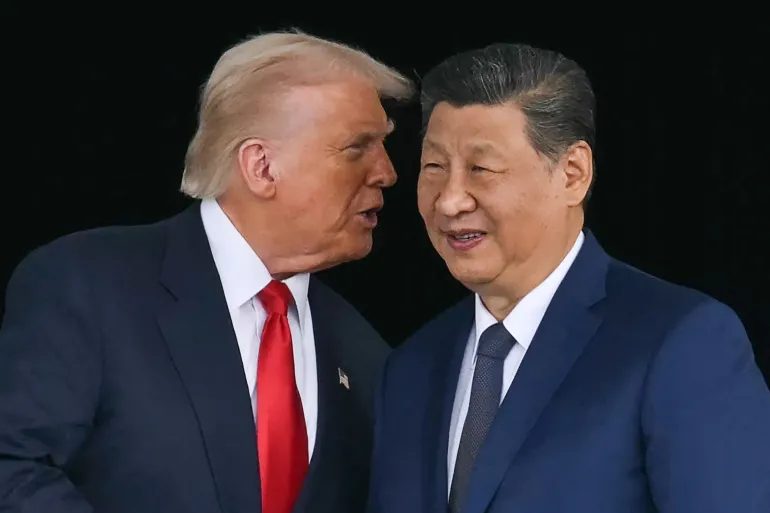
The president publicly urged a slate of big economies to step in — naming China, Japan, France and the United Kingdom — but none of those countries has signed up to send warships. Even Australia was quick to say it won’t be dispatching ships to escort commercial traffic. The pitch hasn’t landed.
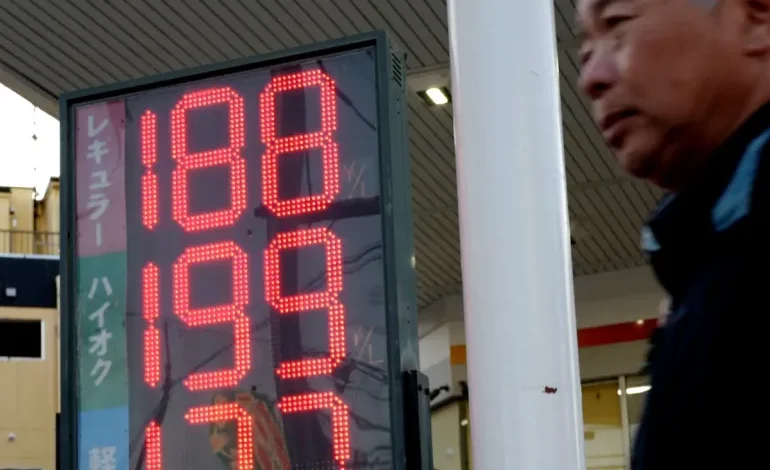
The shutdown followed Tehran’s retaliation after strikes by the US and Israel, and the fallout has been huge. The International Energy Agency called it the largest disruption to global energy supplies in history. Global oil prices are up more than 40% since the fighting began, pushing fuel costs higher and worrying economists about a potential hit to growth.
The shipping picture is striking: the UKMTO says no more than five vessels a day have been slipping through the strait since the crisis started — compared with a historical average of about 138 daily transits. At least 16 commercial ships have been attacked in the region, according to reporting, leaving insurers and shippers on edge.
Mr. Trump says he’s ready to use force if needed — offering US naval escorts — but Washington’s stance is cautious for now. Administration officials say they won’t send warships into the corridor until Iran’s military capabilities have been further degraded, though they expect escort operations to begin in the near term if conditions change.
With volumes down, insurance costs up and tanker attacks still happening, markets are pricing in a world where the Strait of Hormuz remains a major risk for as long as the conflict smolders. That’s why every new statement from capitals and every extra tanker attack now moves oil markets sharply.


The latest news in your social feeds
Subscribe to our social media platforms to stay tuned