


Holiday Shoppers and Export Demand Kick China into Gear

Bloomberg, CNBC, Reuters, and the Financial Times contributed to this report.
China’s economy got off to a firmer-than-expected start in 2026, powered by stronger factory output, brisk holiday spending and a shockingly big export bounce – even as the crisis in the Middle East throws a shadow over what comes next. China
Retail spending for January and February rose 2.8% year-on-year, a touch above forecasts and a sign that Lunar New Year travel and shopping helped households loosen their purse strings. Industrial production was the real standout, climbing 6.3% – well ahead of what economists had penciled in – while investment in fixed assets (the broad gauge that includes property) ticked up 1.8%.
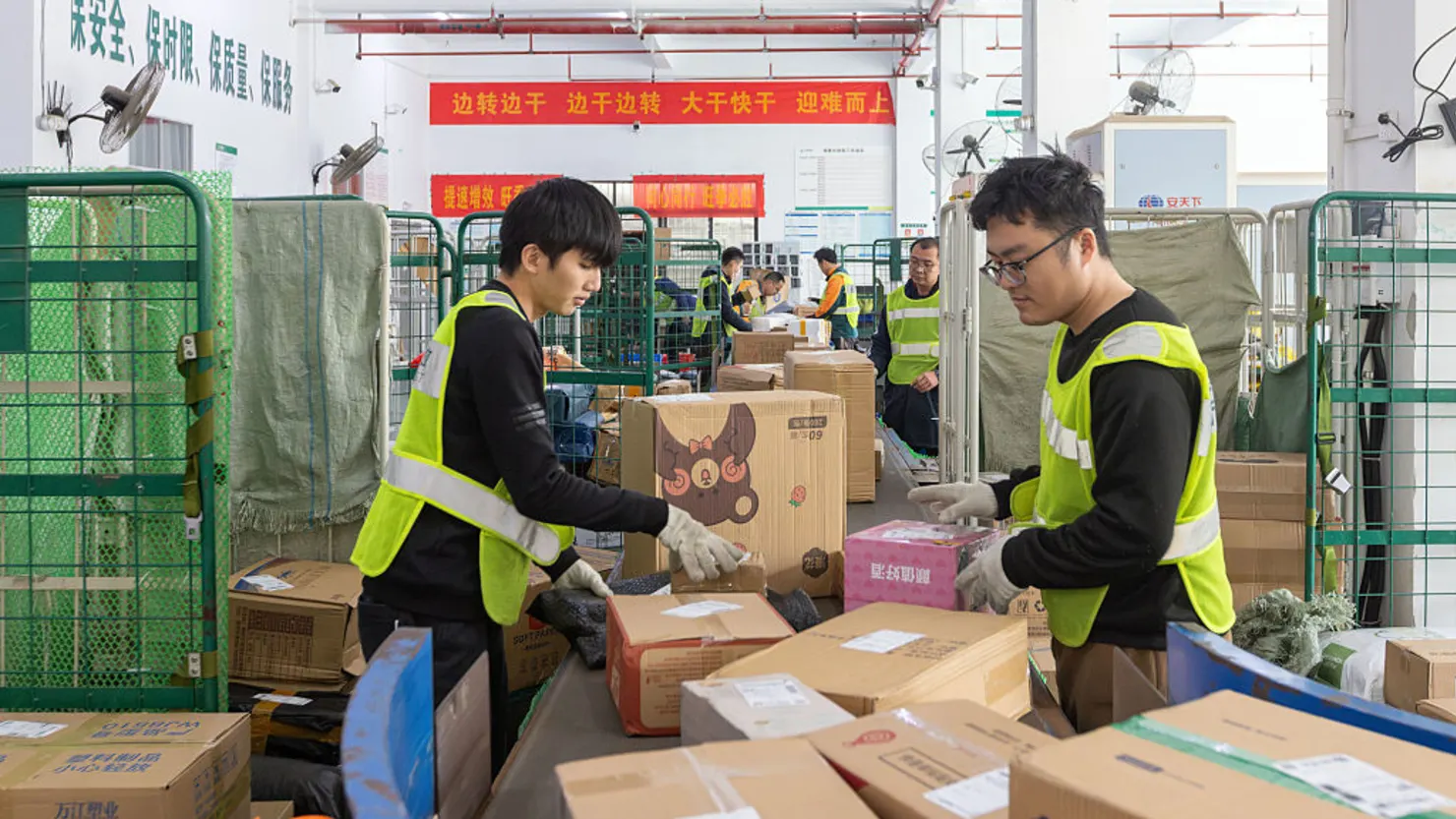
Exports were even flashier: outbound shipments surged roughly 21.8% in the first two months, driven by demand for tech goods, electronics and other manufactured items from Europe and Southeast Asia. That export leg is doing a lot of the heavy lifting for growth right now.
But it’s not all sunshine. The real-estate drag is still real – property development investment fell double digits and new-home prices slipped, underscoring how fragile domestic demand remains and why policymakers aren’t sprinting to unleash big stimulus. The central government has set a deliberately modest 2026 GDP target of 4.5%–5%, signalling it’s aiming for steady rather than breakneck growth.
Labor markets are showing strain, too: the urban unemployment rate edged up to about 5.3% in the January-February window, a reminder that headline growth gains haven’t yet translated into a job boom.
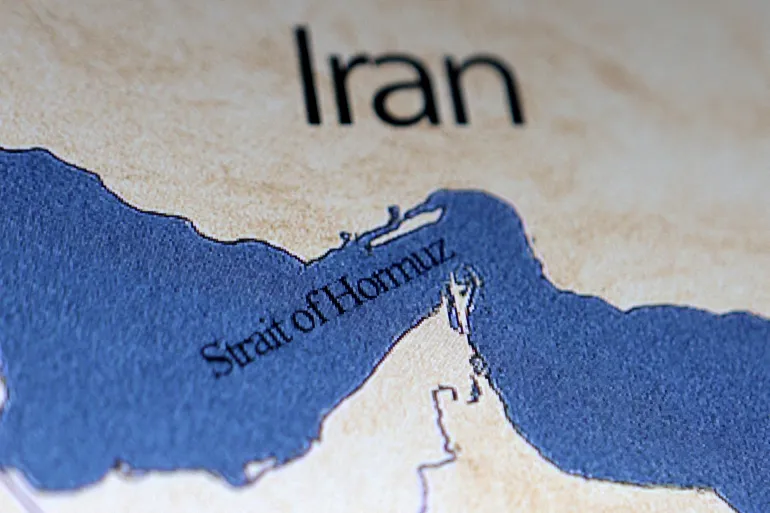
Finally, the geopolitical risk that won’t go away: the Iran war and disruptions around the Strait of Hormuz remain a wildcard for energy prices, shipping and global demand. While Beijing has beefed up reserves and diversified energy routes – which helps insulate it somewhat – a sustained oil shock or wider trade disruption would quickly drag on export-dependent growth. Strait of Hormuz
Consumption and factories gave China a nice opening act for 2026, but the encore depends on whether export momentum holds and whether global tensions – not least in the Middle East – can be contained. If not, those early gains could prove fragile.



The latest news in your social feeds
Subscribe to our social media platforms to stay tuned