


Trump Threatens More Strikes on Iran’s Kharg Island as Hormuz Tensions Rise
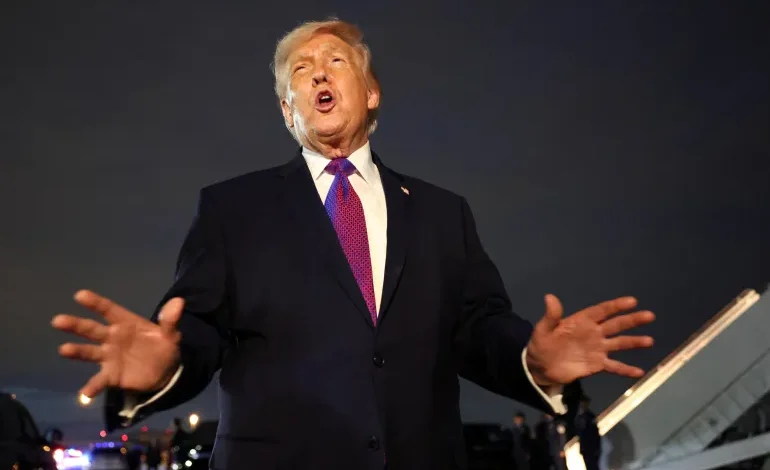

US President Donald Trump has threatened additional strikes on Iran’s Kharg Island while urging allied nations to deploy warships to secure the Strait of Hormuz, a key maritime corridor for global oil shipments. The statements come as Tehran vows to intensify its response to the ongoing conflict between the United States, Israel and Iran.
Speaking to NBC News on Saturday, Trump claimed recent US strikes had already inflicted major damage on Kharg Island, Iran’s primary oil export terminal.
“We may hit it a few more times just for fun,” said the US leader.
If carried out, further strikes would mark a significant escalation. Until now, Trump had maintained that US attacks on the island were focused strictly on military targets.
Iranian Foreign Minister Abbas Araghchi strongly criticised the remarks and warned that Tehran would retaliate against any attacks on the country’s energy infrastructure.
“This is an illegal war with no victory. There are people being killed only because President Trump wants to have ‘fun’. This is what he has said,” Araghchi told CBS’ Face the Nation Sunday show.
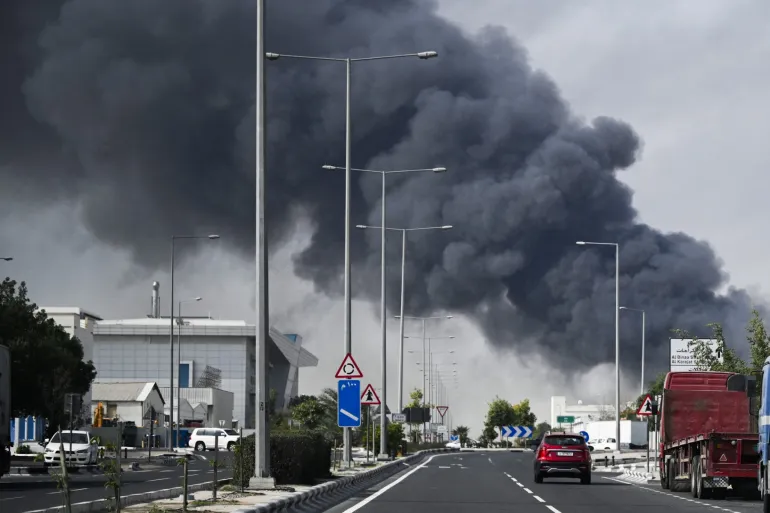
Earlier, Araghchi said the United States had launched its strikes on Kharg Island from two locations in the United Arab Emirates — Ras Al-Khaimah and another site “very close to Dubai”. He described the operation as “dangerous” and said Iran would try to avoid targeting civilian areas if it responded in the region.
The US Central Command, which oversees American military operations in the Middle East, declined to comment on Araghchi’s claims.
Meanwhile, a diplomatic adviser to UAE President Anwar Gargash responded on social media that the United Arab Emirates has the right to defend itself but “still prioritises reason and logic, and continues exercising restraint”.
The conflict continued to widen over the weekend. Iran’s Islamic Revolutionary Guard Corps said it had launched missile and drone strikes against targets in Israel and three US military bases in the region. The attacks were described as the first phase of retaliation following deaths among workers in Iranian industrial facilities.
Iranian media also reported that a missile strike on an industrial complex in the city of Isfahan on Saturday killed at least 15 people who were inside a factory at the time.
At the same time, tensions around the Strait of Hormuz have added another layer of risk to the global economy. The narrow waterway carries roughly one-fifth of the world’s oil shipments, and Iran’s ability to disrupt traffic through it has already caused the largest supply shock in global oil markets to date.
Trump has called on countries that rely on oil shipments through the strait to participate in protecting the passage.
“The Countries of the World that receive Oil through the Hormuz Strait must take care of that passage, and we will help – A LOT!” Trump wrote in a social media post.
“The US will also coordinate with those Countries so that everything goes quickly, smoothly, and well.”
However, analysts say the idea of a US-led naval coalition to reopen the waterway faces serious obstacles.
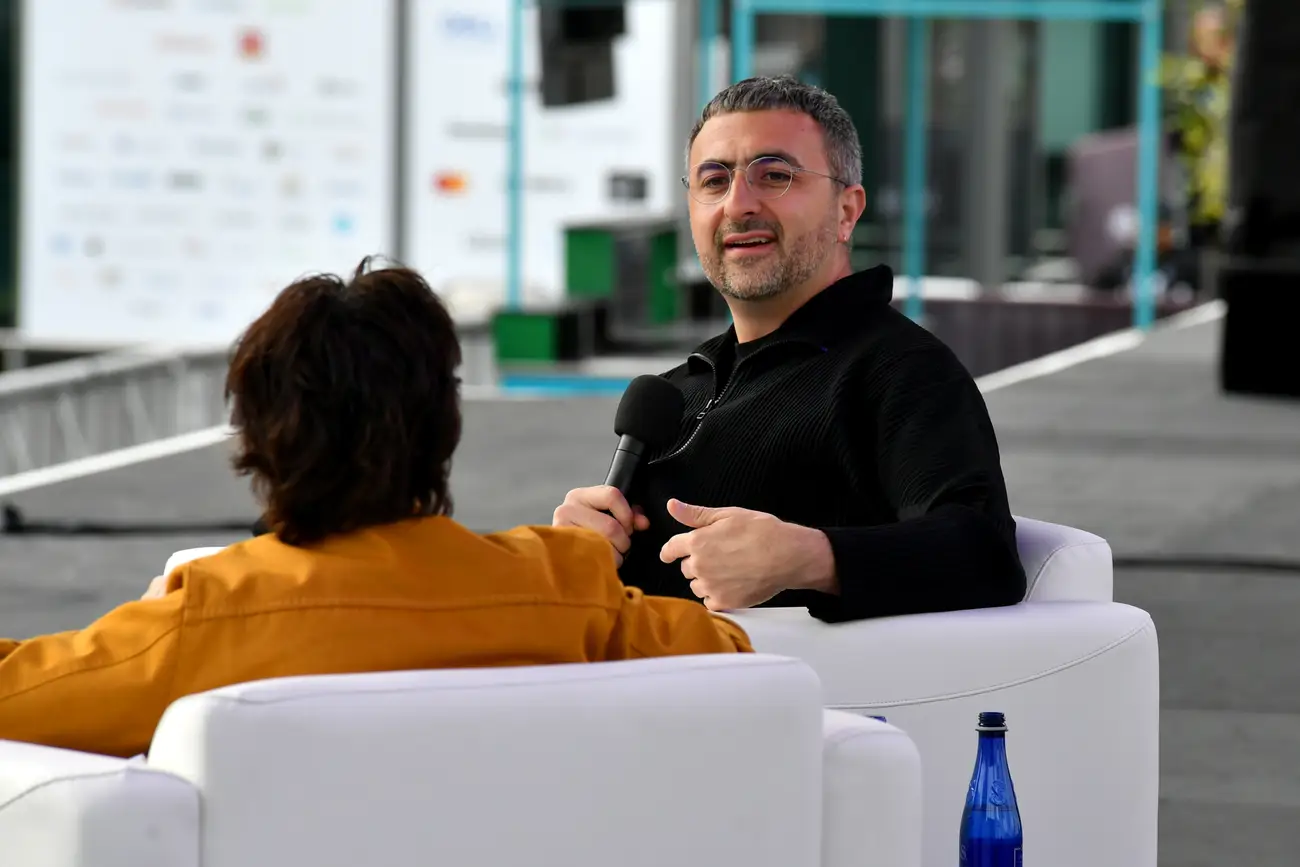
Salman Shaikh, founder of the Shaikh Group, said many governments are likely to avoid joining military operations that could expose their forces to Iranian retaliation.
“Nations are not going to try to go into a situation which is going to bring immense harm to them and to their ships,” he said.
He added that Iran appears to be preparing for a prolonged confrontation, relying on asymmetric tactics rather than conventional military strength.
“The Iranian state is fighting an existential battle, which is now becoming a nationalist struggle,” Shaikh told Al Jazeera.
Trump suggested that Iran may ultimately seek negotiations but said Washington is not prepared to engage yet.
Iranian officials dismissed that possibility. Araghchi said Tehran sees little reason to resume dialogue with Washington after the recent escalation.
“There is no good experience talking with Americans,” he said, adding that negotiations had already been underway when the United States decided to launch its attacks.



The latest news in your social feeds
Subscribe to our social media platforms to stay tuned