
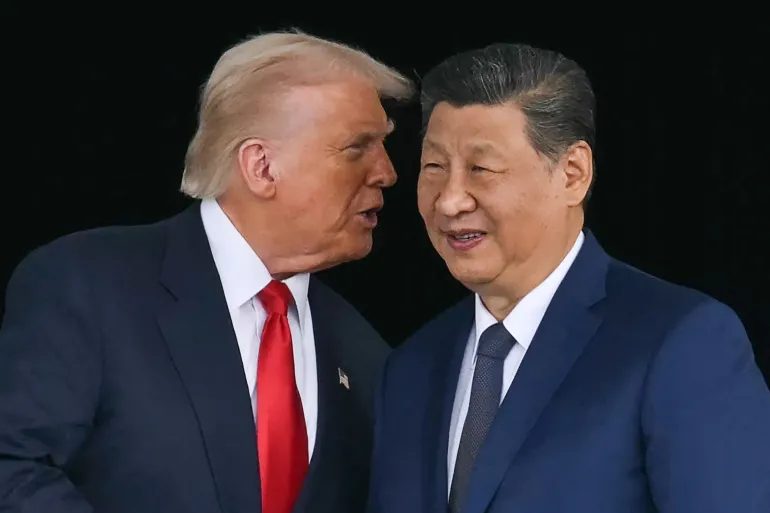

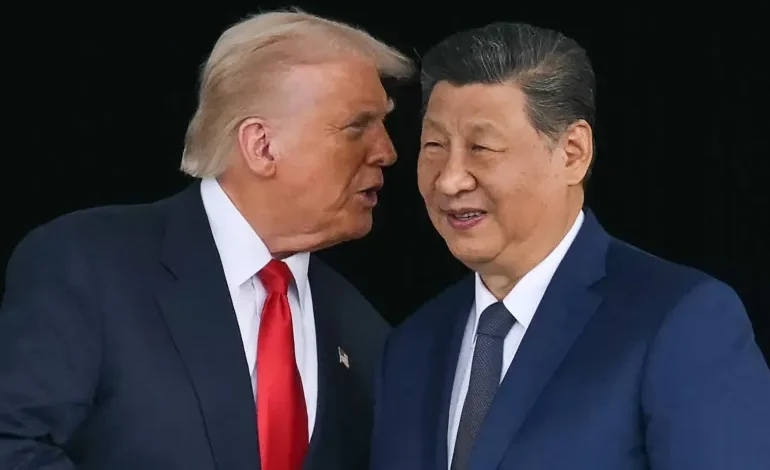

Senior officials from the United States and China have opened a new round of economic talks as both countries prepare for a possible summit between President Donald Trump and Chinese President Xi Jinping later this month in Beijing.
US Treasury Secretary Scott Bessent met Chinese Vice Premier He Lifeng on Sunday at the Paris headquarters of the Organisation for Economic Cooperation and Development. The discussions are intended to address key trade tensions between the world’s two largest economies and to set the groundwork for a potential meeting between the two leaders.
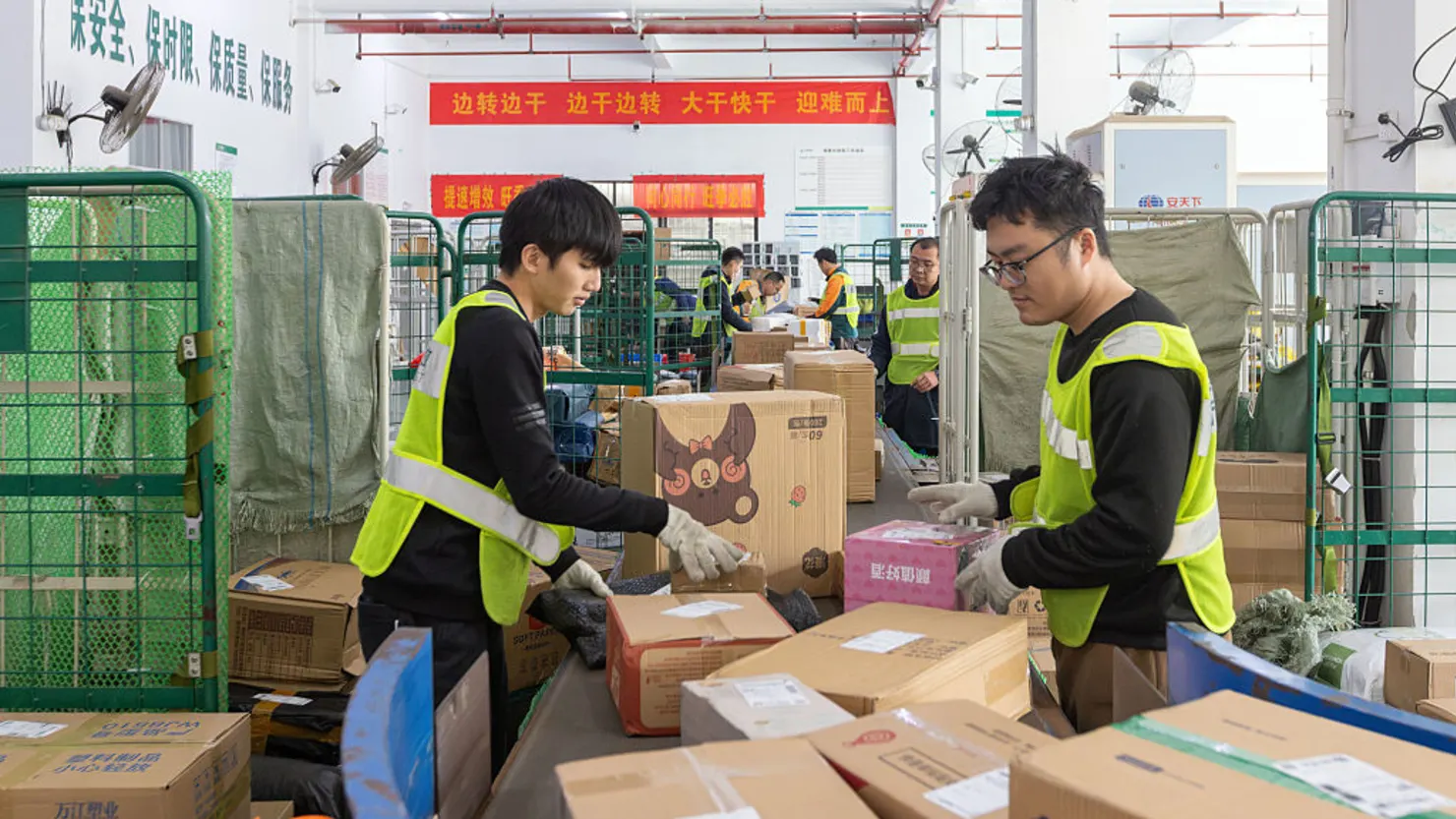
The agenda is expected to include several long-standing points of friction, including US tariffs on Chinese goods, the supply of rare earth minerals and magnets produced in China, US export controls targeting advanced technologies and Chinese purchases of American agricultural products.
The meeting follows a turbulent period in economic relations between Washington and Beijing. During much of 2025, the two countries were locked in a severe trade confrontation, with reciprocal tariffs reaching triple-digit levels and export restrictions threatening global supply chains for critical minerals.
Tensions eased somewhat after Trump met Xi in Busan, South Korea, in October. However, the relationship remains fragile. New investigations announced by the United States this week into Chinese industrial overcapacity and alleged forced labour practices have raised the possibility of further disputes.
China’s commerce ministry confirmed that officials from both countries would hold discussions in Paris but provided few details about the content of the negotiations. The ministry said only that the sides would “conduct consultations on economic and trade issues of mutual concern”.
Bessent also signalled that the dialogue was continuing, saying earlier that “economic dialogue” between the two governments “is moving forward”.
The two-day meeting in Paris is widely viewed as preparation for a potential Trump visit to China. Washington has indicated that the US president could travel to Beijing from March 31 to April 2, although Chinese authorities have not formally confirmed those dates.
If the visit takes place, it could mark the first of several encounters between the two leaders this year. Trump and Xi are also expected to attend a China-hosted APEC summit in November and a US-hosted G20 summit in December.
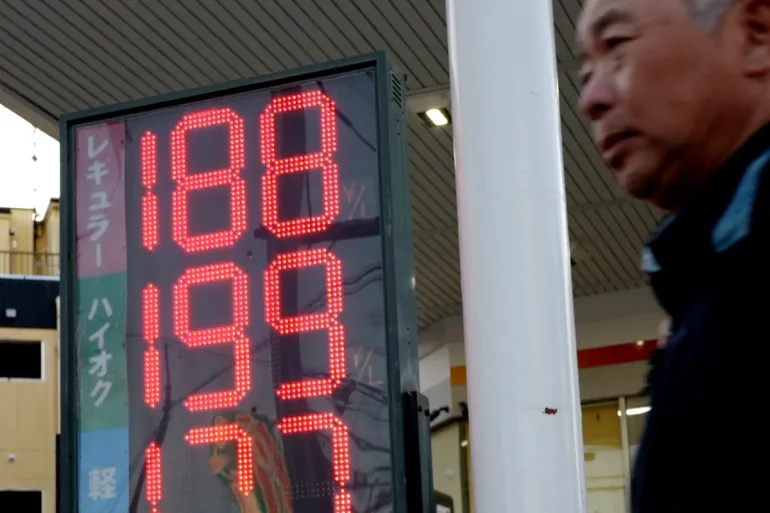
The diplomatic exchanges come at a moment of wider economic uncertainty. Energy markets have been shaken by the ongoing US-Israeli war with Iran, which has disrupted oil supplies and pushed prices sharply higher.
China maintains close political and economic ties with Tehran and has condemned the killing of Iran’s former supreme leader Ayatollah Ali Khamenei. At the same time, Beijing has also criticised Iranian missile strikes targeting Gulf states during the conflict.
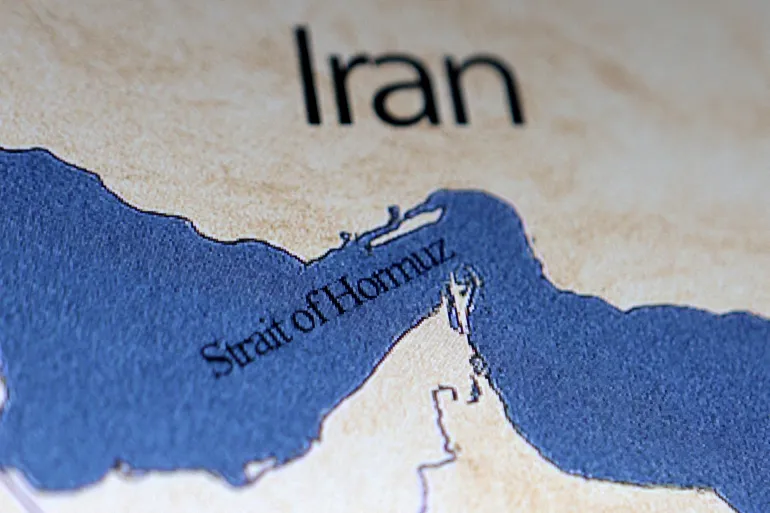
The war is expected to feature prominently in the discussions in Paris. The closure of the Strait of Hormuz has already triggered a surge in oil prices and poses a direct risk to China’s energy supply, as roughly 45 percent of the country’s imported oil passes through the waterway.
The United States has taken steps aimed at stabilising supply. On Thursday night, Bessent announced a 30-day sanctions waiver allowing the sale of Russian oil that had been stranded at sea in tankers.
The following day, Trump urged other countries to help secure shipping routes through the Strait of Hormuz after US forces struck Iranian military targets near the Kharg Island oil loading terminal and Tehran warned of retaliation.
Chinese state media have suggested that renewed economic engagement between Washington and Beijing could help steady a fragile global economy. In a commentary published Sunday, the state-run Xinhua news agency said “meaningful” cooperation between the two powers would help restore confidence in international markets.
Still, analysts caution that expectations for a major breakthrough remain modest.
Scott Kennedy, a China economics expert at the Center for Strategic and International Studies in Washington, said the immediate objective may simply be to prevent relations from deteriorating further.
“Both sides, I think, have a minimum goal of having a meeting, which sort of keeps things together and avoids a rupture and re-escalation of tensions,” he told the Reuters news agency.
For now, the Paris talks appear less about sweeping agreements than about stabilising a relationship that continues to shape the direction of the global economy.



The latest news in your social feeds
Subscribe to our social media platforms to stay tuned