



GILLETTE — The past couple of years have been rough for Courtney Hampleman. Fresh out of a toxic marriage, the 44-year-old is finally feeling optimistic about life for the first time in years. Along the way, she had many people worried about her—including her guardian angels who have long since passed.
Her grandfather, who baked homemade muffins for her office mates, and Penny Spidle, a woman who became like a second mother during a college summer job, are never far from her thoughts. Hampleman wishes she could tell them not to worry anymore.
“I’m working on getting myself back on a good path, the right track,” she said. “And I want to tell them that I want them to be proud of me and that I’ll see them one day.”
Now she has a place to have that conversation.
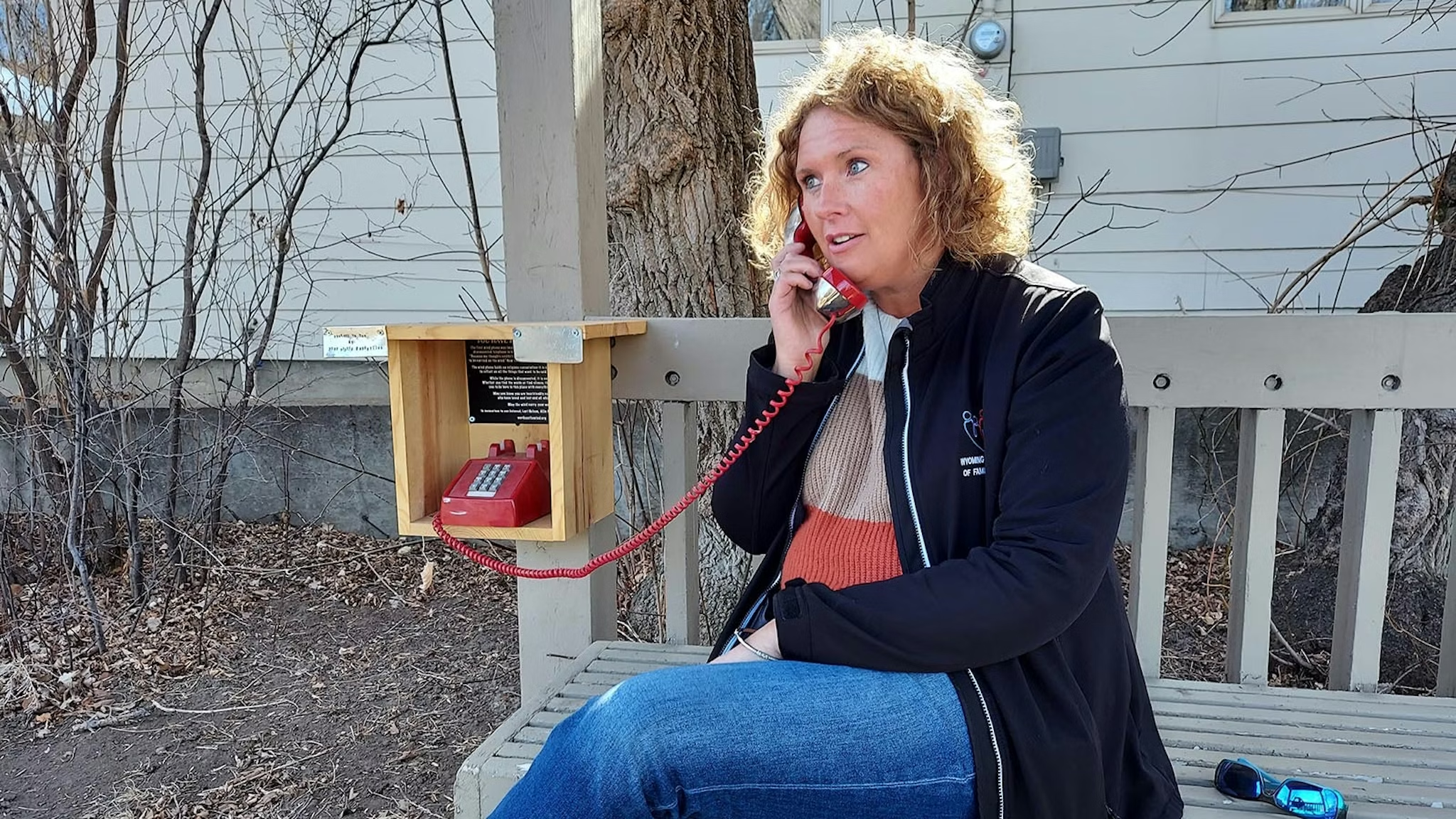
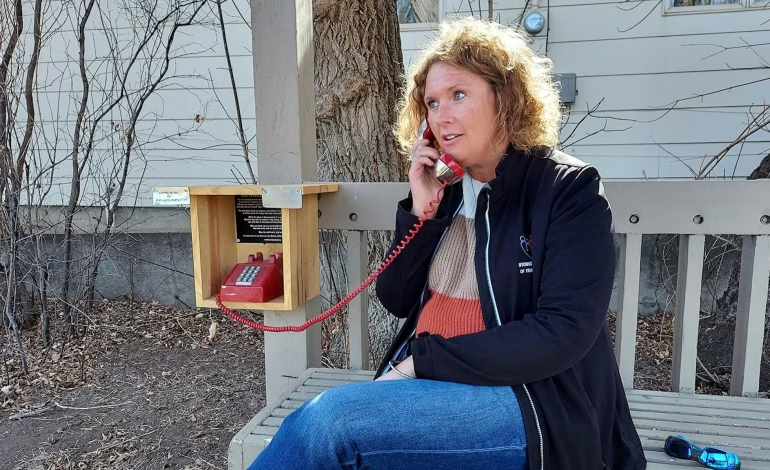
Nicole Schatz, a Gillette-based therapist and owner of Sacred Start counseling, installed Wyoming’s first “wind phone” in Memorial Park—a disconnected, non-functioning red push-button phone in a wooden nook next to a park bench.
The concept originated in Japan in 2010 when garden designer Itaru Sasaki created a phone to cope with his cousin’s death. Visitors pick up the receiver, dial or not, and speak freely to loved ones who have passed, their words carried by the wind. More than 400 wind phones now exist across the U.S.
Schatz, who lost her mother at 23, said grief is a theme she sees across all ages—whether from death, divorce, suicide or terminal illness. “I thought the Wind Phone was one way of helping people process it in a place of privacy and peace.”
Her husband built three wooden boxes while she searched for phones online and in thrift stores. The city parks department embraced the idea, helping locate sites. She’s still seeking homes for the remaining two phones.
Schatz encourages clients to use the phone and has brought her own children to speak to their grandmother. Sometimes they make playlists of songs and play them into the headset.
“There’s something oddly healing about sitting in a quiet space with your thoughts,” Schatz said. “Even if we don’t hear or get answers or have the voice on the other end, it’s okay to be present in the moment and okay to feel that way even if it’s sad or hard.”
Hampleman, initially self-conscious, sat in silence at the park until the mood struck. Then she picked up the receiver, looked at the sky and began talking—about her life, her progress, her feelings. She laughed and cried.
“I bet I talked for about five minutes,” she said. Though she’d spoken to them in her head for years, this was the first time she’d done so out loud in a place designed for that purpose.
The line may have been silent, but speaking into the receiver brought her loved ones back. Their absence became presence, if only for a moment.
“It was intentional to just focus on those conversations,” she said. “I felt at peace.”


The latest news in your social feeds
Subscribe to our social media platforms to stay tuned