
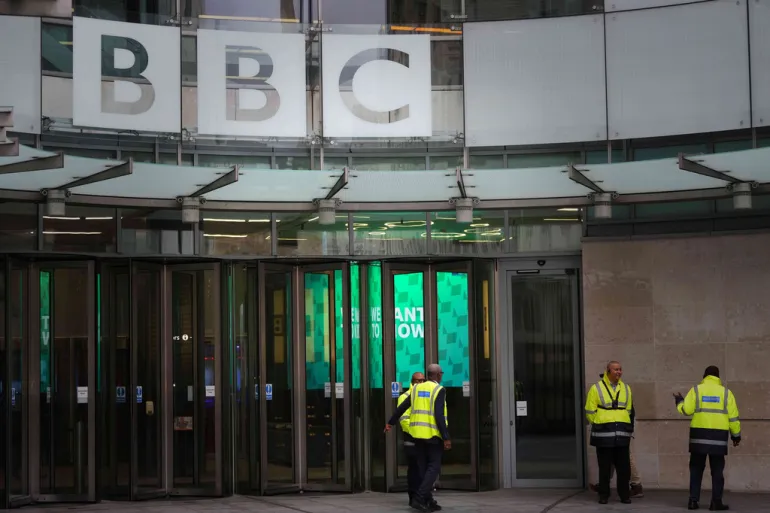
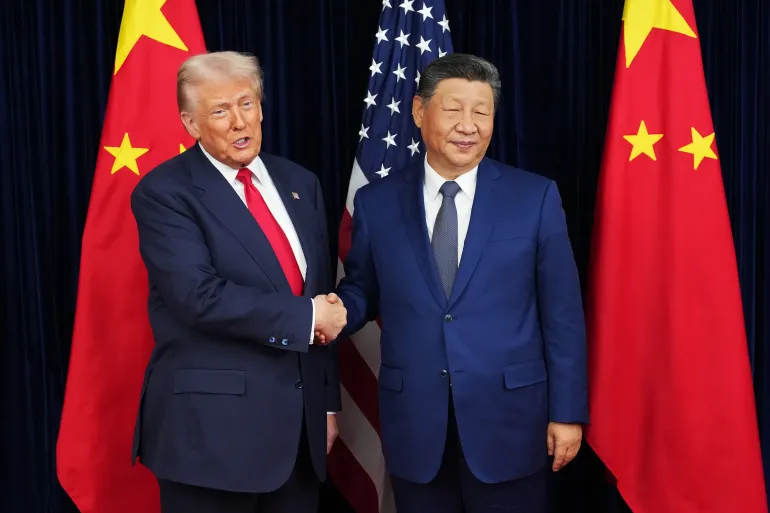

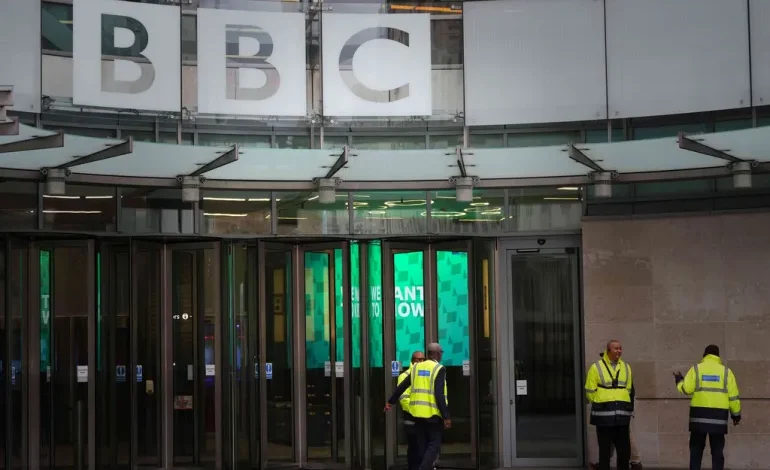

The BBC is asking a US court to throw out a $10bn defamation lawsuit filed by President Donald Trump, arguing that the case risks setting a precedent that could deter journalists from reporting on powerful political figures.
In a filing submitted on Monday, the British broadcaster said the lawsuit — tied to the editing of Trump’s 2021 speech before the US Capitol attack — should be dismissed, describing it as “expensive yet groundless litigation” that could harm “free speech”.
At the centre of the dispute is a documentary titled Trump: A Second Chance?, which aired ahead of the 2024 presidential election that ultimately returned Trump to office. The programme included an edited version of his January 6, 2021 speech, combining two separate excerpts in a way that made it appear he had directly encouraged supporters to attack the Capitol.
The BBC has acknowledged the edit and issued an apology. Still, its legal response suggests the broader implications of the case now outweigh the mistake itself.
Lawyers for the broadcaster argue that the Florida court where Trump filed the lawsuit should not even hear the case. They point out that the documentary did not air in Florida or anywhere in the United States, raising questions about jurisdiction.
They also challenge the substance of Trump’s claim, saying he cannot “plausibly claim” that the documentary damaged his reputation — particularly given that it aired shortly before an election he went on to win.
More broadly, the BBC argues that the lawsuit does not meet the legal threshold required in US defamation cases involving public figures.
According to the filing, Trump’s case falls “well short of the high bar of actual malice”.
Trump’s lawsuit, filed in December, seeks $5bn in damages for defamation and another $5bn under the Florida Deceptive and Unfair Trade Practices Act. It accuses the BBC of presenting a “false, defamatory, deceptive, disparaging, inflammatory, and malicious depiction” of him and frames the documentary as “a brazen attempt to interfere in and influence” the 2024 election.
The case has already had internal consequences for the broadcaster. The controversy over the edited footage led to the resignations of BBC Director General Tim Davie and Director of News Deborah Turness last year.
In its latest filing, the BBC also emphasised the broader stakes, arguing that litigation of this scale could have a deterrent effect on coverage of influential figures.
“The chilling effect is clear,” the broadcaster said, noting that Trump is “among the most powerful and high-profile individuals in the world, on whose activities the BBC reports every day”.
The Florida court has tentatively scheduled the case for trial in February 2027, though the BBC’s motion to dismiss could determine whether it proceeds that far.


The latest news in your social feeds
Subscribe to our social media platforms to stay tuned