

CNN, PBS News, the Wall Street Journal, ABC News contributed to this report.
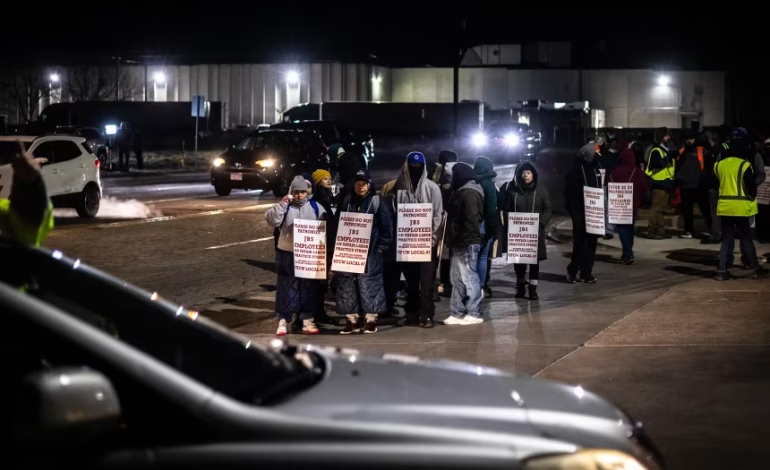
Thousands of workers at a JBS-owned Colorado plant walked off the job Monday, launching what union leaders say is the first strike at a US beef slaughterhouse since the 1980s. The action — roughly 3,800 employees — centered on demands for better pay, safer gear and improved health care, and organizers warned the two-week stoppage could run longer if talks don’t move.
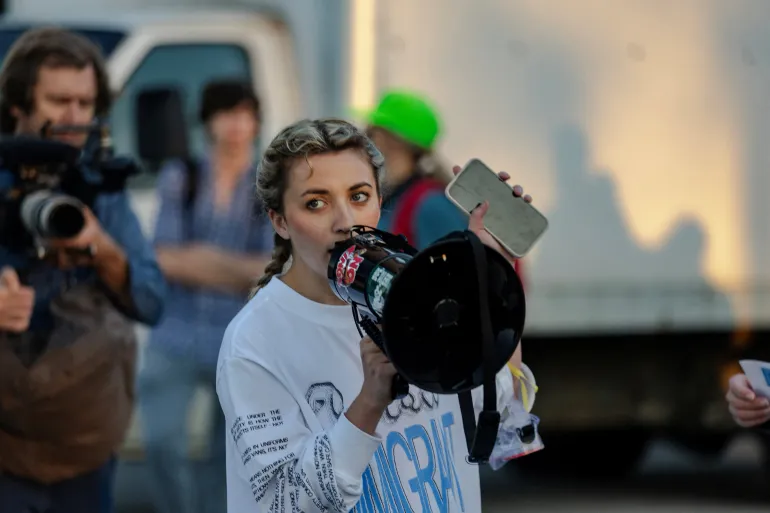
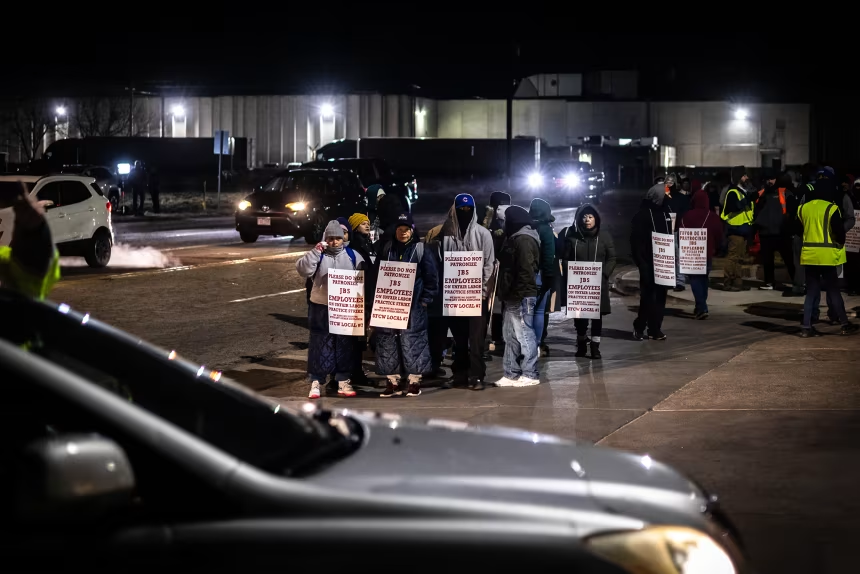
The walkout at the Swift Beef Co. facility in Greeley kicked off before dawn, with workers bundled against the cold, chanting “huelga!” and holding bilingual signs asking locals not to shop at the plant’s parent. It was a loud, visible reminder of how much local economies depend on these factories — and how quickly disruption there can ripple out.
Union officials say the strike was authorized almost unanimously: members of United Food and Commercial Workers Local 7 voted 99% to walk. The union says its list of grievances includes low wages, the cost and availability of life-saving protective equipment, and rising worker healthcare costs.
“For months now, JBS has been insisting on poverty-level wages for workers at the plant … while at the same time putting all the risk of rising healthcare costs on workers,” said Kim Cordova.
On the line, workers shared that message with blunt, personal testimony.
“We work very hard, in difficult conditions, and want JBS to negotiate fairly for a contract that will allow us to live with dignity,” said Deborah Rodarte, an inside skirt cutter who told reporters she depends on the job to support her family.
JBS USA pushed back in a statement, calling its current offer fair and saying it has already delivered “meaningful wage increases, a secure pension, and long-term financial stability” to other unionized staff. The company added it would “operate the facility to the best of its ability” while the stoppage continues. JBS USA — the largest of four major US beef processors that together handle roughly 85% of US production — employs about 25,000 people across nine facilities, according to the union.
Why this matters: the strike lands as US beef prices are already under pressure. The American Farm Bureau Federation says beef prices rose roughly 15.2% in the past year amid the smallest US herd in 75 years, and the Biden administration — and later the Trump administration — moved to boost imports (including a recent decision to increase shipments from Argentina flashpoint: this is the first US slaughterhouse strike since the Hormel walkouts in Minnesota back in 1985 — a long, bitter fight that escalated into violent clashes. Union leaders say they hope this dispute won’t spiral like that, but both sides acknowledged the stakes are high.
What to watch next: whether JBS returns to the bargaining table, how long the strike holds, and whether other facilities feel pressure to follow. If the stoppage extends and plant throughput falls, expect tighter beef supplies and another upward jolt in prices — a politically sensitive issue as consumers already grapple with high grocery bills. For now, the picket lines are a stark, human snapshot of a US industry under strain: workers demanding basic safety and pay, companies juggling thin margins and public scrutiny, and consumers watching the grocery bill inch higher.

The latest news in your social feeds
Subscribe to our social media platforms to stay tuned