

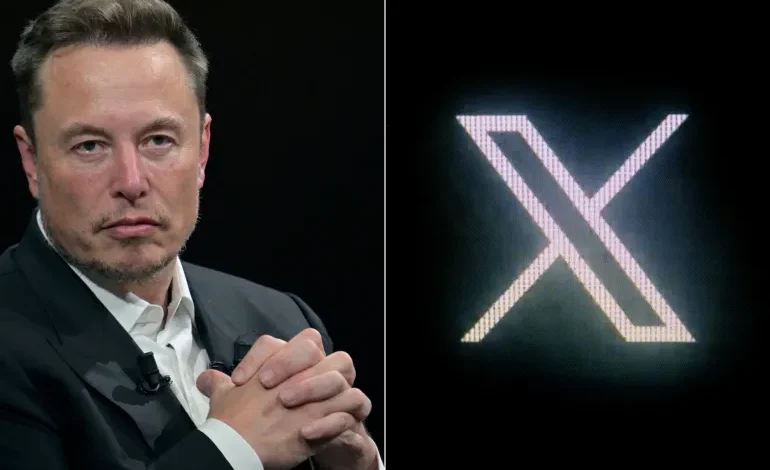

Closing arguments are set to begin Tuesday in a US civil trial that has, for months, revisited one of the most closely watched tech deals in recent memory. At the centre is Elon Musk, facing off against Twitter shareholders who argue he misled investors during his attempt to walk away from his $44bn acquisition of the platform in 2022.
The case, unfolding in San Francisco, stems from a class-action lawsuit filed shortly before Musk ultimately took control of Twitter — later rebranded as X — in October 2022. The timeline itself matters here: Musk agreed to buy the company in April that year, then spent months publicly questioning key aspects of its business before trying to exit the deal. Only when Twitter took him to court in Delaware did he reverse course and complete the acquisition on the original terms, $54.20 per share.
Much of the courtroom focus has circled around one issue that dominated headlines at the time: bots.
Musk has long argued that Twitter significantly underestimated the number of fake and spam accounts on its platform. According to his position, the company’s disclosures — around 5 percent — failed to reflect reality. He used that claim as the basis for attempting to terminate the deal.
During testimony, Musk reiterated that view, suggesting the true figure was far higher. At one point, he described the idea that bot numbers were elevated as obvious, likening it to “saying the grass is green or the sky is blue”.
Twitter’s former chief financial officer, Ned Segal, pushed back. On the stand, he said the actual figure was closer to 1 percent, directly challenging Musk’s narrative.
The disagreement lands in a broader context that predates Musk’s involvement. Concerns about bots and inflated metrics were not new for Twitter. In 2021, the company paid $809.5m to settle claims that it had overstated its growth and user numbers. It had also consistently warned in filings to the US Securities and Exchange Commission that its bot estimates might not fully capture the scale of the issue.
Segal maintained that despite those caveats, Twitter did not knowingly submit false filings to regulators. He did acknowledge that the company had previously corrected its reporting. In 2017, Twitter admitted it had overstated user figures by mistakenly including accounts from a third-party application.
As the trial moves toward its final stage, the legal question is less about whether bots existed — both sides agree they did — and more about whether Musk’s public statements and actions during the deal process crossed the line into misleading investors.
On Monday, lawyers for both sides met with Judge Charles R Breyer to finalise instructions for the jury. Breyer noted that some potential jurors held negative views of Musk, a factor that has hovered over the proceedings. Still, he emphasised that personal opinions should not affect the outcome.
A person who is “not universally liked”, he said, is still entitled to a fair trial and must not be judged on the basis of prejudice.

The latest news in your social feeds
Subscribe to our social media platforms to stay tuned