

Strait of Hormuz Still Shut — Gas Stays Painfully High Despite Trump’s Calls

CBS News, the New York Times, the Financial Times, Bloomberg, and the Wall Street Journal contributed to this report.
Oil and pump prices aren’t budging much because the vital shipping lane through the Persian Gulf remains effectively closed, and a weekend of bluster from Donald Trump hasn’t convinced other countries to step in. Ships aren’t moving like they used to, traders are tacking a hefty risk premium onto crude, and drivers are feeling it at the pump.
Here’s what’s happening in plain terms: Brent and other benchmarks have been trading around the $100-a-barrel mark as traders price in the lower flows and higher insurance and transport costs. That surge is keeping US gasoline prices elevated and sending oil market chatter into overdrive — every new report of a tanker attack or blocked lane sends prices up again.
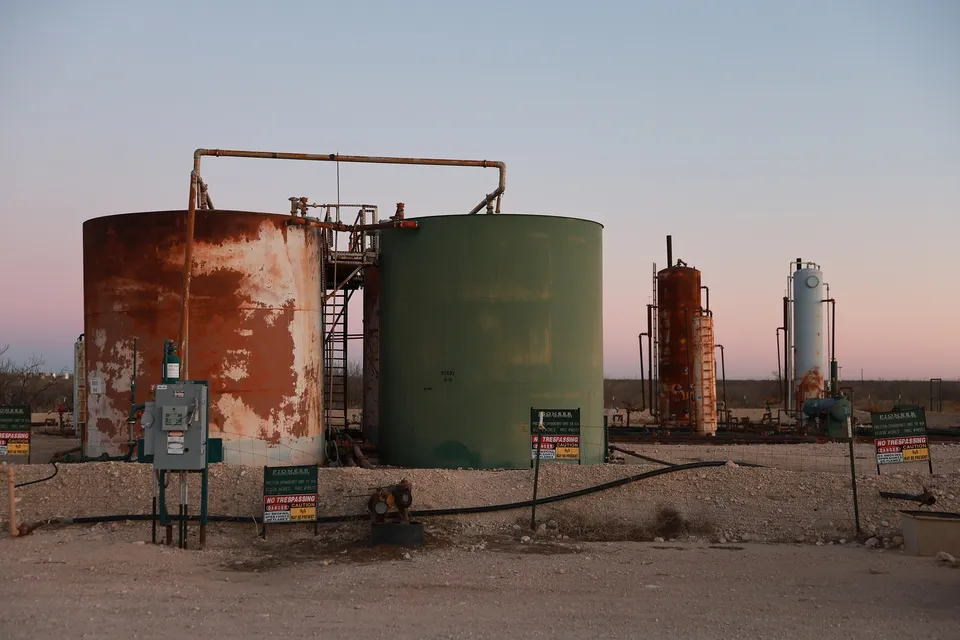
Why the Strait closure matters so much: roughly one-fifth of seaborne oil normally passes through that corridor, so when traffic slows to a trickle — or basically stops — the physical flow of crude tightens fast. Producers who can’t move oil end up cutting output, and the squeeze shows up almost immediately in wholesale prices, refining margins and, eventually, gas station bills. Global energy watchers say this is one of the largest supply shocks in recent memory.
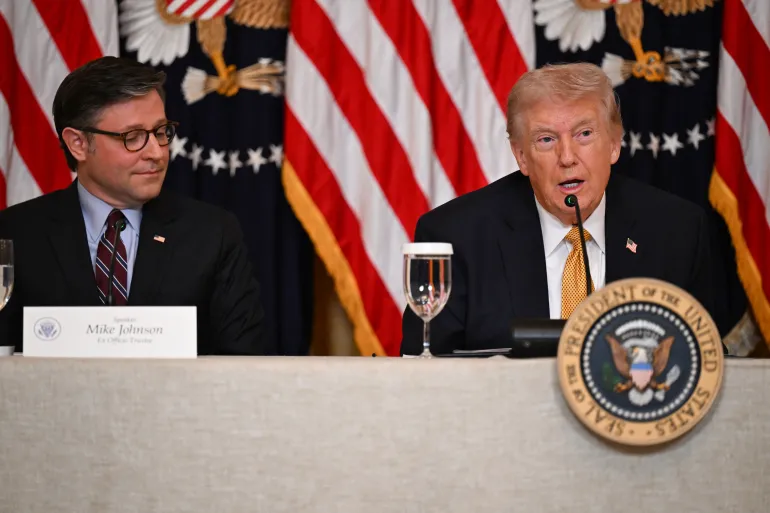
Mr. Trump made public pleas for allies to “come and help” reopen the route and warned of heavy US involvement if necessary — but capitals named in his appeal have largely been noncommittal. Japan and others have said they won’t dispatch ships, and European governments want more detail before signing up. That diplomatic shrug leaves markets guessing about how long the paralysed lanes will stay that way.
On the economics front, the pain filters through quickly: higher oil lifts transport and food costs, nudging headline inflation higher and complicating central-bank planning. Countries that rely heavily on seaborne imports are more exposed; even China and India — which have diversified flows to some extent — aren’t immune if the disruption drags on. Traders are also watching inventory builds and OPEC/GCC responses for any sign the supply side will loosen.
This isn’t a simple weather blip the market will shrug off. Until a credible plan to reopen the lane (or a reliable workaround) emerges, expect oil to stay volatile and gas prices to remain sticky — and don’t be surprised if every politician statement or naval movement produces another round of headline-driven price swings.



The latest news in your social feeds
Subscribe to our social media platforms to stay tuned