
Trump Claims Support for Hormuz Coalition, but Allies Hold Back
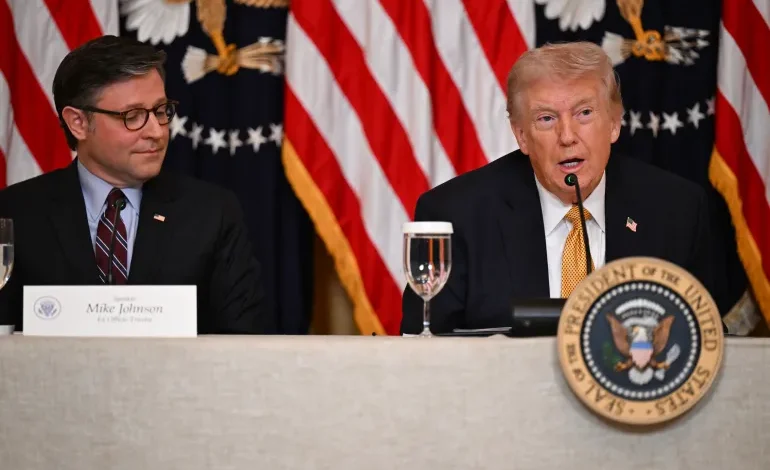


US President Donald Trump says “numerous countries” are preparing to join a proposed naval coalition to secure the Strait of Hormuz, even as key allies publicly distance themselves from any military involvement.
Speaking on Monday, Trump suggested momentum was building behind the initiative, which he first floated over the weekend as a way to protect shipping routes disrupted by the ongoing US-Israel war with Iran.
“Numerous countries have told me they’re on the way. Some are very enthusiastic about it, and some aren’t,” Trump said.
Pressed on which countries had agreed to participate, the president declined to name them.
“I’d rather not say yet,” he said, adding that Secretary of State Marco Rubio would make an announcement.
“They’ve already started to – it takes a little while to get there,” Trump added. “In some cases, you have to travel an ocean. So doesn’t go that fast, but it’ll go fast. And we have some that are fairly local that are doing it.”
The comments follow Trump’s earlier appeal to a group of major economies — including China, France, Japan, South Korea and the United Kingdom — as well as NATO members more broadly, to contribute naval assets to secure the waterway.
So far, however, no country has publicly confirmed it will join the coalition.
Instead, several governments have moved in the opposite direction. Australia, Japan, Poland, Sweden and Spain have all said they do not intend to deploy military ships to the region. On Monday, Germany added its voice, with Defence Minister Boris Pistorius stating there would be “no military participation”, though Berlin remains open to diplomatic efforts.
Other allies have taken a more cautious line. South Korea and the United Kingdom say they are still reviewing the situation. UK Prime Minister Keir Starmer indicated that Britain is considering limited technical support, such as mine-hunting drones, but stressed that the country would “not be drawn into the wider war”.
France has signalled comparatively greater openness, though without committing to a specific role.
The gap between Trump’s claims and public responses from allies points to a familiar problem: building a coalition in a high-risk conflict where participation carries both military and political costs.
Trump acknowledged that hesitation, framing it as a lack of reciprocity from countries that benefit from US security guarantees.
“Some are countries that we’ve helped for many, many years. We’ve protected them from horrible outside sources, and they weren’t that enthusiastic,” he said.
Without naming a specific country, he described one exchange as emblematic of the broader reluctance.
“We have some countries where we have 45,000 soldiers … protecting them from harm’s way and we have done a great job,” Trump said. “And well, we want to know, do you have any mine sweepers? ‘Well, would rather not get involved, sir.’”

The latest news in your social feeds
Subscribe to our social media platforms to stay tuned