



Trump Seeks to Delay China Trip as Iran War Reshapes Agenda
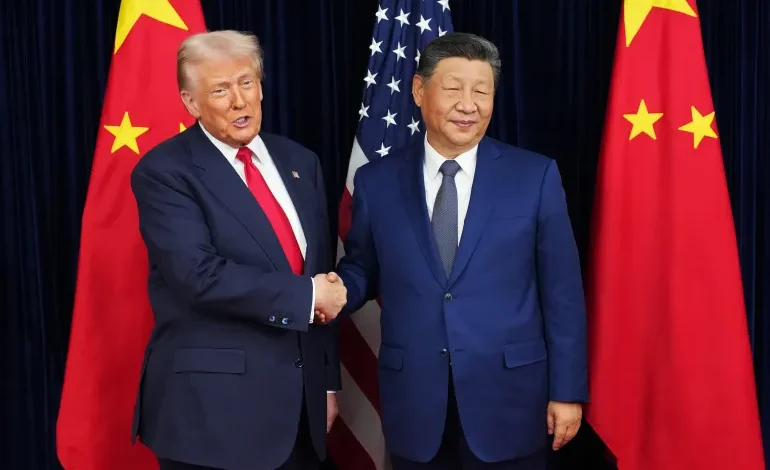

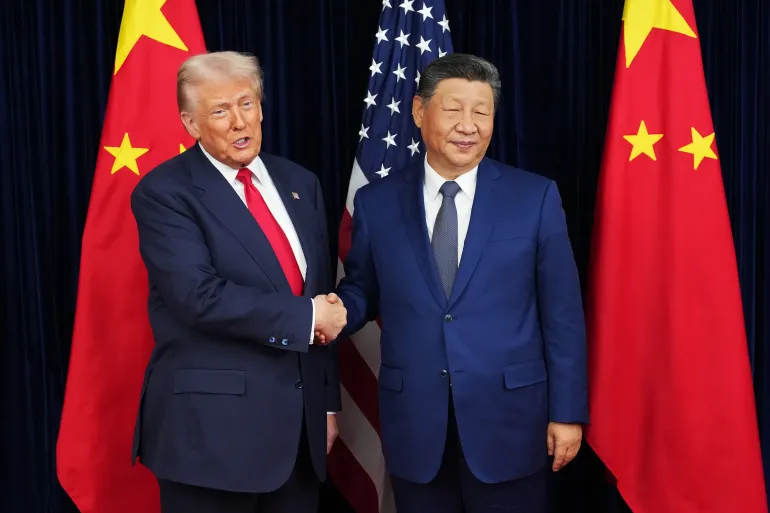
US President Donald Trump is looking to postpone a planned visit to China by about a month, citing the ongoing war with Iran as the reason for staying in Washington.
“We’ve requested that we delay it a month or so,” Trump told reporters at the White House on Monday.
“There’s no tricks to it either,” he added. “It’s very simple. We’ve got a war going on. I think it’s important that I be here.”
The trip, originally scheduled for March 31 to April 2, was expected to include a high-level meeting with Chinese President Xi Jinping. While Beijing has not yet publicly responded, the delay highlights how the conflict with Iran is beginning to reshape the broader US foreign policy calendar.
According to the White House, the visit is still expected to happen — just later.
“The president looks forward to visiting China,” Press Secretary Karoline Leavitt said.
“The dates may be moved. As commander-in-chief, it’s his number-one priority right now to ensure the continued success of this Operation Epic Fury. So we’ll keep you posted on the dates as soon as we can.”
Behind the scheduling shift is a more complicated reality. Since late February, when the United States and Israel launched large-scale strikes on Iran, the conflict has expanded into a central organising factor for Washington’s international engagement. The war has already intersected with other major issues in US-China relations, including trade tensions and disputes over Taiwan.
Trump has also linked the potential postponement to developments in the Strait of Hormuz, a key global energy route. Iran has restricted access to vessels tied to the United States and Israel, disrupting oil flows through a waterway that typically carries about one-fifth of global supply.
On Sunday, Trump told The Financial Times that he might delay the trip if China does not help address the situation.
The United States has called on multiple countries, including China, to support efforts to secure shipping through the strait. So far, those requests have not produced a clear response from Beijing, despite China’s heavy reliance on oil imports moving through the route.
US Treasury Secretary Scott Bessent offered a more operational explanation for the delay, saying the president’s presence in Washington is tied to coordinating the war effort rather than any immediate breakdown in relations with China.
“The president wants to remain in DC to coordinate the war effort,” Bessent said. “Traveling abroad at a time like this may not be optimal.”
Bessent made the comments from Paris, where US and Chinese officials are currently engaged in trade discussions. Those talks, involving Chinese Vice Premier He Lifeng, have included conversations about increasing Chinese purchases of US agricultural goods and managing the supply of rare earth minerals — another critical point of interdependence between the two economies.

The latest news in your social feeds
Subscribe to our social media platforms to stay tuned