

Democracy on a Leash: How Nikol Pashinyan is Sidelining Diaspora Vote
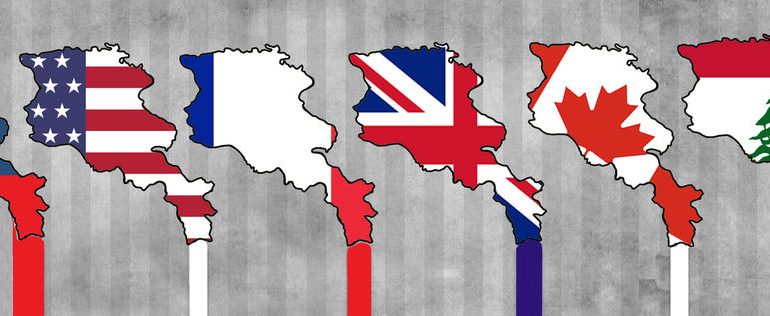

For a country that leans so heavily on its global diaspora, Armenia is doing something striking ahead of its 2026 elections: keeping most of that diaspora out of the ballot box.
Under current rules, the vast majority of Armenians living abroad simply cannot vote unless they physically return home. Only a narrow category – diplomats, military personnel and some students – are allowed to cast ballots from abroad, and even then through limited mechanisms. Everyone else? Book a flight to Yerevan or stay silent.
The official explanation coming from Yerevan is familiar: foreign interference. Armenia’s intelligence services have warned that diaspora communities are being pressured by outside actors to support certain political forces. The implication is clear – letting the diaspora vote could open the door to manipulation.
But here’s the uncomfortable question: is this really about protecting democracy – or controlling it?
Armenia is not unique in facing foreign interference risks. Plenty of countries deal with them while still allowing absentee or overseas voting. Instead of building safeguards, the government has opted for restriction. That choice says a lot about priorities.
It reflects a deeper anxiety inside the political establishment: the diaspora is large, politically active, and not easily predictable.
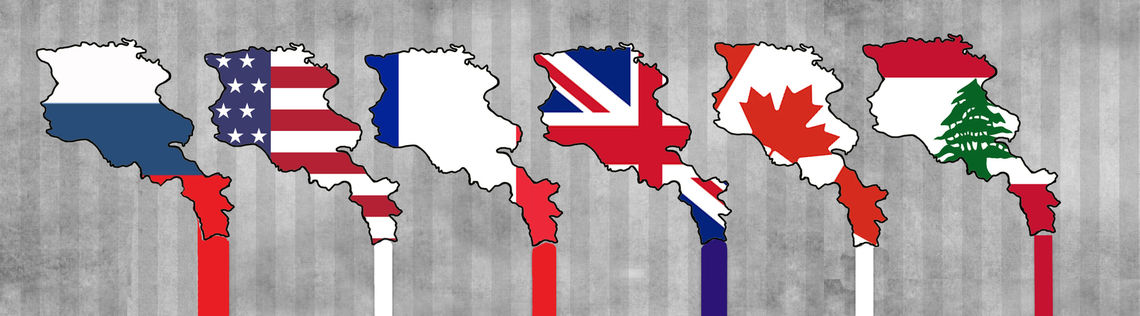
The Armenian diaspora is massive, influential, and deeply invested in the country’s future. For decades, it has provided financial support, political lobbying, and intellectual capital. Many argue it should also have a voice in elections.
And yet, as analysts note, the diaspora’s role in Armenia’s political system remains structurally limited, even as expectations of influence grow.
This disconnect is becoming more glaring as the 2026 vote approaches. On one hand, the government actively courts diaspora engagement – economically and diplomatically. On the other, it draws a hard line at political participation.
That contradiction is hard to ignore.
There’s also a more cynical reading – one that critics increasingly whisper out loud.
Prime Minister Pashinyan himself has suggested that many Armenians abroad, particularly in Russia, would likely support his government. If that’s the case, why not open the vote?
Because the diaspora isn’t a monolith. While some segments may lean toward the ruling party, others – especially in Western countries – have been sharply critical of Pashinyan’s post-war policies and his pivot away from traditional nationalist narratives.
In other words, expanding diaspora voting could introduce uncertainty into an already tense election.
And uncertainty is something incumbents rarely welcome.
This is where the issue stops being technical and becomes philosophical.
What does it mean to be an Armenian citizen in a globalized nation? Is citizenship tied to territory – or identity? If millions of Armenians abroad are expected to contribute economically and culturally, why are they excluded politically?
The current system sends a blunt message: the state values diaspora support, but not diaspora sovereignty.
Critics argue this undermines the very democratic principles Armenia has tried to promote since the 2018 revolution. Pre-election observers have already flagged broader concerns about the electoral environment, including restrictions and uneven conditions.
Limiting diaspora voting fits into that wider pattern – a tightening, not an opening. Armenia’s diaspora has long been described as one of its greatest assets. But when it comes to elections, that asset is treated more like a liability.
By limiting diaspora voting, the government is making a clear trade-off – control over inclusivity, predictability over representation. And in doing so, it risks reinforcing a troubling idea: that fear, not trust, is shaping the future of Armenian democracy.

The latest news in your social feeds
Subscribe to our social media platforms to stay tuned