



The original story by Josh Boak for AP.
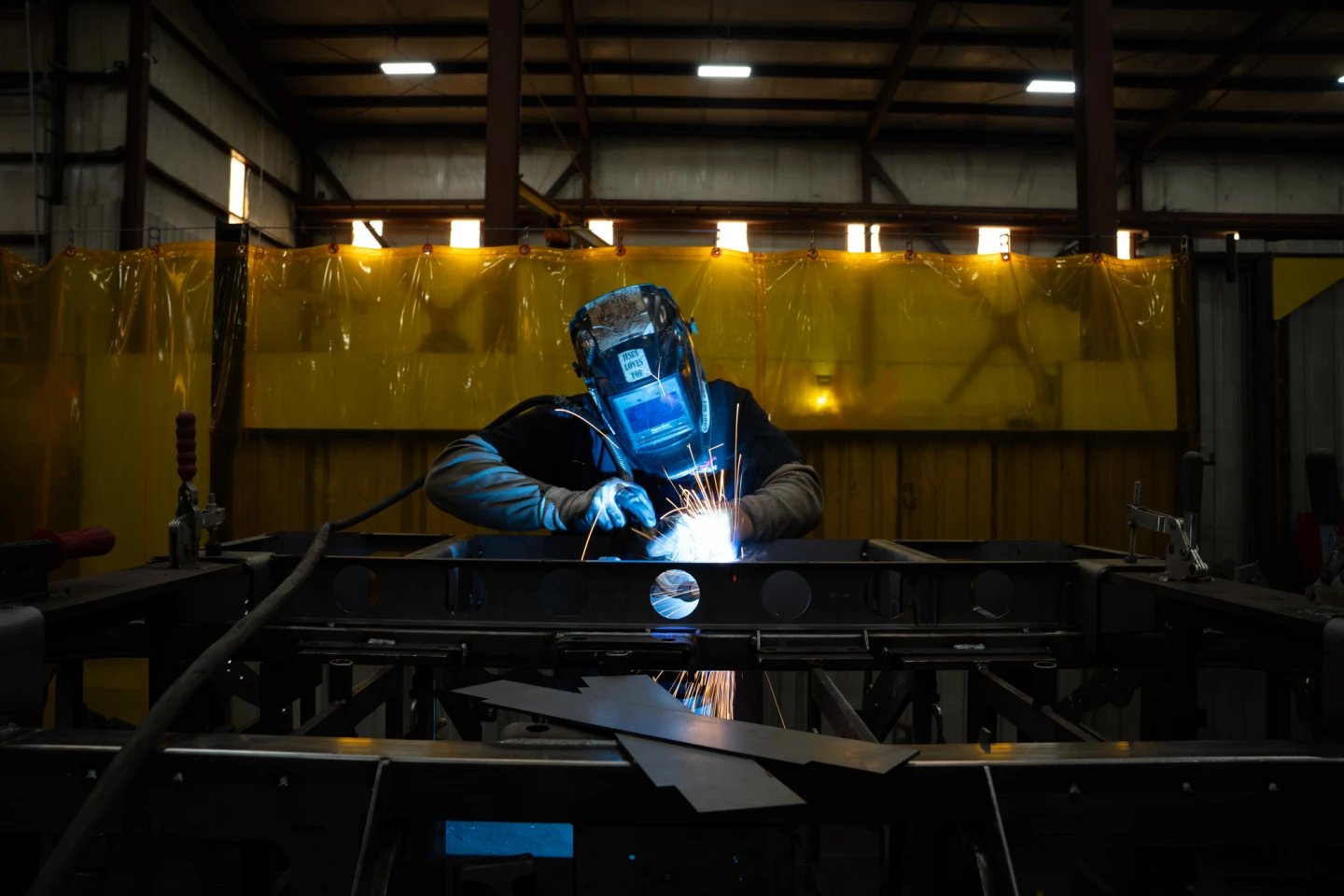
Jay Allen says he voted for Donald Trump because he expected lower taxes and fewer rules — things he thought would help his concrete-equipment shop in northeast Arkansas. Instead, Allen’s business got squeezed by the import levies at the heart of the president’s industrial plan: engines, steel, gearboxes and clutches from abroad suddenly cost far more, eating margins and forcing layoffs. He says Allen Engineering ran at a loss in 2025, payroll fell from 205 to about 140, and he had to hike prices 8–10% just to survive — even if that means selling fewer machines.
That story isn’t an outlier. It’s a pattern. Tariffs meant to revive US manufacturing are doing the opposite for many small and medium makers that rely on imported parts. Instead of a simple switch that brings factories home, companies are facing higher input costs, investment headaches and a policy environment so unstable they won’t risk big moves to re-shore production.
What went wrong (quickly)
- Costs jumped where it matters. For firms that import finished components or specialty parts, tariffs act like a hidden tax slapped on every machine they make. Steel hikes alone sent prices up before duties even landed, and they’ve stayed elevated — hitting equipment makers hard. Calder Brothers in South Carolina, for example, saw steel costs spike right before tariffs kicked in and never fully normalize, the company says.
- Uncertainty killed investment. Rebuilding a supply chain in America isn’t a switch you flip. Allen’s told suppliers a $20 million bet to move engine production to the US looks reckless when the tariff picture could change after the next election. That kind of uncertainty keeps money on the sidelines and jobs offshore — exactly the opposite of the tariffs’ promise.
- Small manufacturers get crushed. Roughly 98% of US manufacturing firms have under 200 workers; they don’t have the clout to win carve-outs or the balance sheets to absorb big cost shocks. That makes tariffs regressive within the sector — helping a few big producers while hurting the many midsize shops that actually employ people in their towns.
- Policy theater makes it worse. The flurry of proclamations, threats, exceptions, court fights and reversals — plus a Supreme Court ruling that struck down emergency import taxes — has added volatility. Businesses can’t plan when the rules feel like Twitter posts backed by executive orders.
Numbers that sting
- US manufacturing lost roughly 98,000 jobs in Trump’s first full 12 months back, despite the tariffs’ stated goal of bringing work home.
- Dozens of companies have sued for tariff refunds totaling more than $130 billion — essentially arguing they’re the ones paying the tax, not foreign exporters.
- The federal deficit is projected to rise over the next decade, undermining the claim tariffs will close budget gaps.
The administration points to construction spending, some factory hiring tied to non-tariff programs, and rising productivity as signs the strategy will pay off — arguing these are just early innings of a long game. But much of the construction boom traces back to programs launched under the previous administration (like CHIPS), and pipeline comments from regional Fed interviews show mixed signals on a true manufacturing renaissance. Translation: the headline numbers aren’t yet the handiwork of tariffs.
Sector stories: winners and losers
- Steel mills: Profits have recovered in some domestic mills — a political win for the tariff argument.
- Users of steel and parts: Makers of machinery, paving equipment, and many OEMs face higher bills and smaller margins — and often can’t pass the price on to customers in tough markets.
- Big firms vs. small firms: Large multinationals often absorb or hedge tariff risk better; mom-and-pop manufacturers feel the pinch directly.
Trump promised tariffs would blunt China’s edge. The reality: America’s manufacturing trade deficit hasn’t shrunk; China’s global trade surplus actually climbed to record levels — a sign that unilateral duties without allied coordination haven’t moved the dial on the global industrial balance. Experts note Washington didn’t marshal partners to target subsidies, currency practices or supply-chain skirting — meaning tariffs alone were always a blunt instrument.
Groups like the Association of Equipment Manufacturers want targeted relief — tax credits or exemptions for raw materials and parts that simply aren’t available domestically at scale. They argue policy should focus on removing real bottlenecks, not imposing across-the-board taxes that punish users as well as producers.
The damage isn’t trivial and won’t be fixed by a tweet. If the goal is more US factories and higher employment, policymakers need some combination of: clear, consistent rules; targeted incentives that lower the cost of re-shoring; allied international pressure to curb unfair trade practices; and support for small makers who don’t have lobbyists on speed dial. Simply slapping tariffs on inputs while hoping domestic production magically appears is a recipe for hollow rhetoric and real pain on Main Street.
Jay Allen’s verdict is blunt: the tariffs that were supposed to help his neighbors are squeezing them instead. “The working-class people are getting squeezed,” he says — and after watching payrolls shrink and bills rise, it’s hard to argue otherwise. If helping US manufacturers was the stated aim, the policy playbook needs a serious rewrite.



The latest news in your social feeds
Subscribe to our social media platforms to stay tuned