




With input from NBC Sports, the Hill, AP, and CNBC.
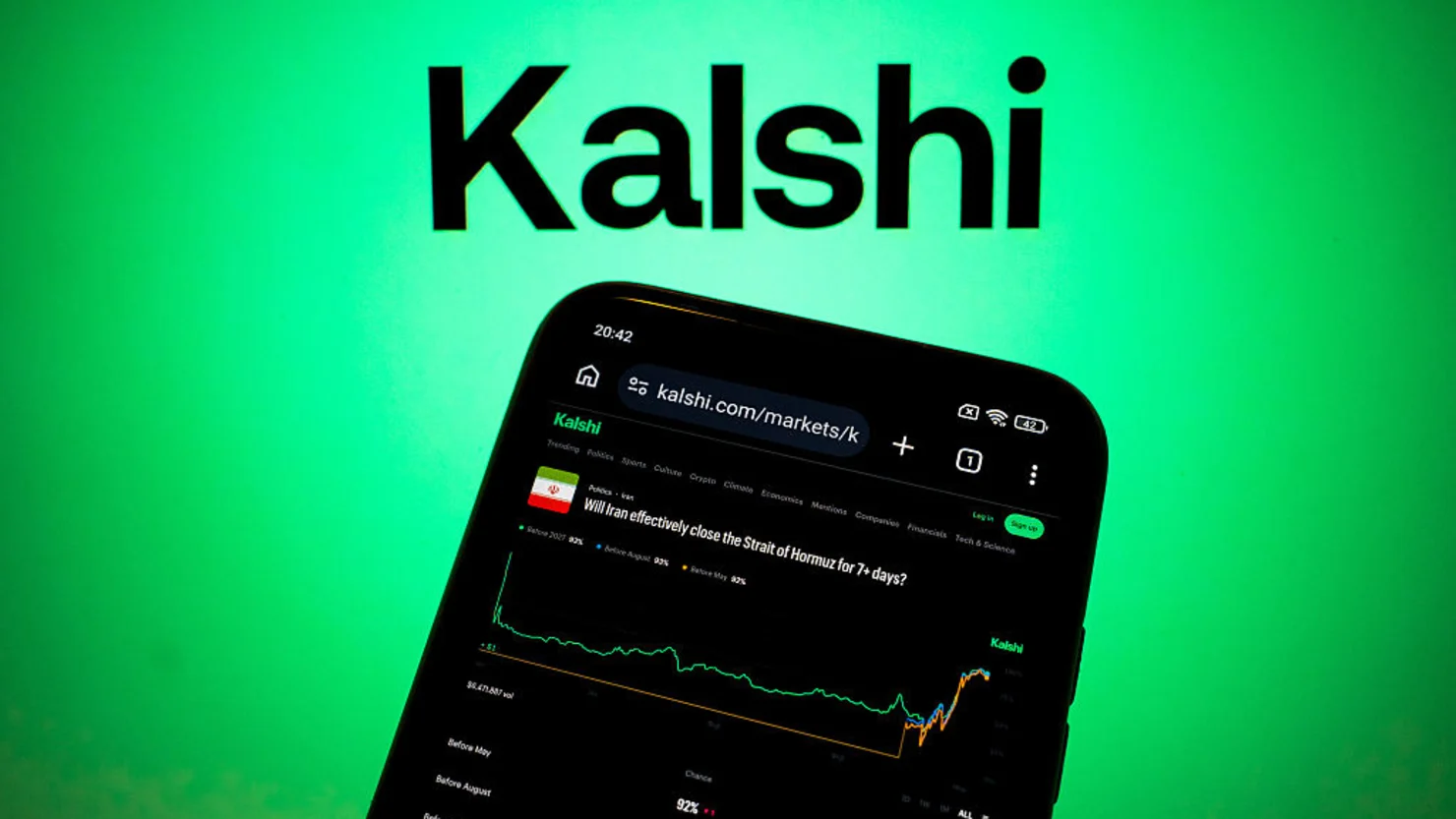
Kalshi’s legal rodeo just got a lot uglier. Arizona prosecutors slapped the prediction-market startup with 20 misdemeanor counts, accusing the platform of running an unlicensed gambling business that took bets from state residents on everything from college and pro sports to state and national elections. The charge: skirt the law, take wagers — and cross a red line under Arizona statutes that ban election betting.
Attorney General Kris Mayes put it bluntly: Kalshi “may brand itself as a ‘prediction market,’ but what it’s actually doing is running an illegal gambling operation and taking bets on Arizona elections.” Kalshi’s response was equally blunt — the company called the case “paper-thin” and argued it’s a federally regulated marketplace that shouldn’t be knuckled down by a patchwork of state gambling laws.
At the heart of the fight is a jurisdictional tug-of-war: Kalshi says the Commodity Futures Trading Commission has exclusive authority over event contracts and prediction markets, meaning states can’t police them. State officials say this just looks like betting dressed up as finance. The Arizona indictment accuses Kalshi of offering wagers on election outcomes — an activity that Arizona law explicitly bars — and on sports props and other contests that, prosecutors say, require licensing the company didn’t have.
Kalshi tried to block the prosecutions in federal court, but a judge declined to hand the company a temporary restraining order. US District Judge Michael Liburdi ordered Kalshi to show cause why the case belongs in federal rather than state court — a loss for Kalshi’s strategy of “race to the courthouse” pre-emptions. Meanwhile, the company has already sued several states preemptively to fend off enforcement actions; critics call that a bully tactic, defenders call it smart defense.
The federal regulator has already weighed in. Commodity Futures Trading Commission head Michael Selig blasted Arizona’s move as a jurisdictional squabble not suited for criminal prosecution and warned the agency is “watching this closely.” That puts the CFTC and multiple state attorneys-general on a collision course that could end up before higher courts — and determine whether prediction markets get to operate coast-to-coast under federal rules or remain fragmented under state gambling codes.
Politics and personalities are tangled in, too. Kalshi’s board counts some high-profile backers and advisers; the company has even named Donald Trump Jr as a strategic adviser in past reports, which critics say raises political eyebrows about who’s lobbying for national rules that favor these platforms.
Practically speaking, the Arizona action lands just before March Madness — peak betting season — and raises big questions for players and regulators alike. Kalshi runs event contracts where users buy and sell yes/no outcomes (often priced between a penny and 99 cents), a setup that looks a lot like a market but also behaves a lot like a sportsbook when volume piles up on sporting events. States argue that, whatever the label, economic reality matters: sports wagering looms large in Kalshi’s trading volumes and in the cases states are bringing.
Legal analysts say the case could set a precedent. Some federal courts have sided with prediction markets; others have given states room to regulate. A recent Ohio ruling favored state police powers, while judges in New Jersey and Tennessee have been friendlier to Kalshi. With Arizona now leading the criminal charge, expect appeals, constitutional arguments about federal preemption, and a prolonged fight over how to classify these markets — finance, gambling, or something in between.
Bottom line: Kalshi is betting the farm on federal preemption and its ability to argue that it’s a regulated financial exchange, not a gaming site. Arizona is betting the opposite: label, intent and local law matter more than Silicon Valley jargon. Either way, the outcome will ripple across an industry that’s rapidly expanding and raising hard questions about where finance ends and gambling begins.

The latest news in your social feeds
Subscribe to our social media platforms to stay tuned