

Gas Prices Spike as Middle East Strikes Slam Qatar Energy Hub

With input from the New York Times, the Wall Street Journal, Al Jazeera, Bloomberg, Business Insider, and Reuters.
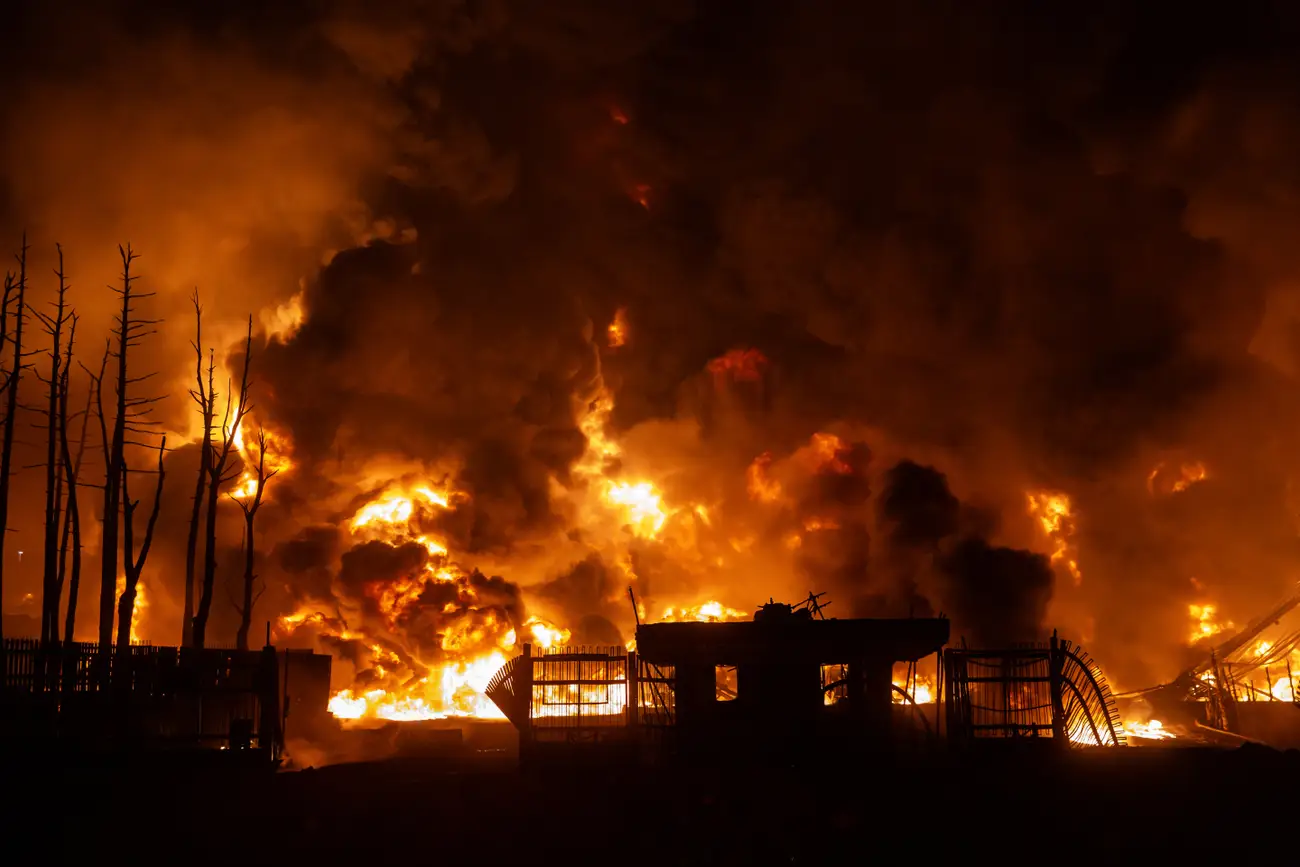
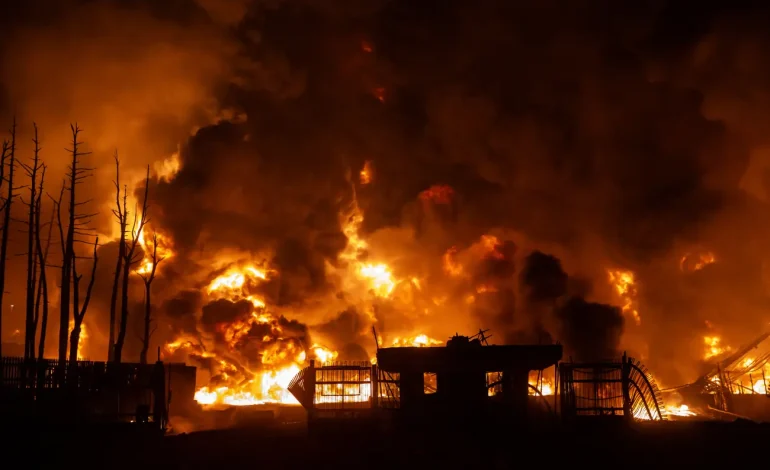
Gas and oil markets got thrown into another frenzy Thursday after fresh strikes hit major energy infrastructure in the Middle East, including Qatar’s huge LNG facility at Ras Laffan. Wholesale gas prices in the UK and Europe jumped about 25% in early trading before easing a bit, while Brent crude briefly shot up to nearly $119 a barrel before settling back around $114.
The latest jump comes after Iran’s South Pars gas field — one of the biggest natural gas deposits in the world — was hit on Wednesday evening. Iran then retaliated by targeting the Ras Laffan export hub in Qatar, which officials said suffered extensive damage. The strike is especially alarming because Qatar is one of the world’s biggest LNG suppliers, and Ras Laffan is central to that trade.
The market reaction was immediate. European gas prices are now more than double where they stood before the US-Israeli war on Iran began. UK gas was trading around 175p per therm, up roughly 25% on the day, and oil prices remained under heavy pressure as traders priced in the risk of deeper disruption.
Investors are clearly worried this is no longer a short-lived shock. Stocks fell across Asia and Europe, with Japan’s Nikkei down 3.4% and London’s FTSE 100 off 1.8% in morning trade. Traders are increasingly treating this as a supply crisis, not just a geopolitical flare-up.
Commodities editor Matthieu Favas called the gas spike “huge,” saying the Qatar attack makes it unlikely the site will restart within weeks. The worry now is that the disruption could last months, especially since the facility is tied to around a fifth of global LNG supply.
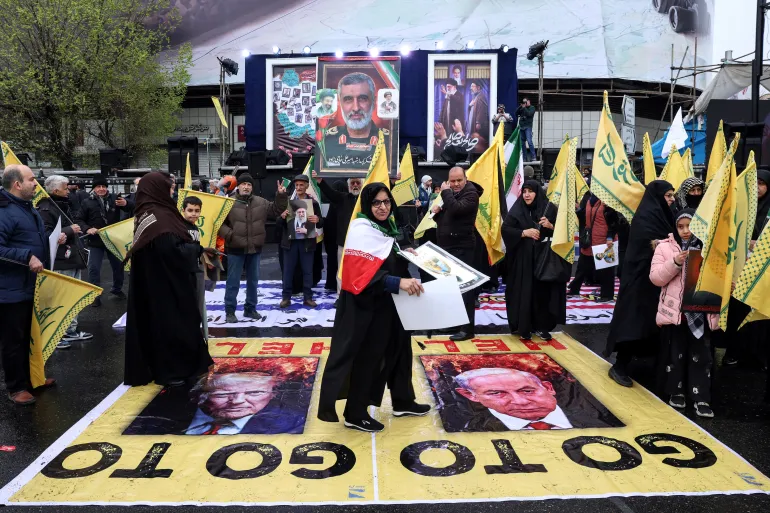
Iran has warned that it will hit back hard if its energy infrastructure keeps getting targeted. Its military said fuel, gas and energy sites in the countries it believes are backing the attacks could become legitimate targets. Qatar, meanwhile, said the strike on Ras Laffan was a dangerous escalation and a threat to regional stability.
The White House tried to calm oil markets by suspending the Jones Act for 60 days, a move meant to make it easier for non-US ships to move fuel and other goods between American ports. But shipping groups say that is unlikely to move the needle much, since the real problem is the oil shock itself, not just transport costs.
Analysts say the bigger risk is what happens if the Strait of Hormuz stays effectively closed. That waterway normally carries about one-fifth of global oil flows, and with shipping nearly frozen, some watchers are already talking about $150 oil and even $200 in a worst-case scenario. Whether prices go that far depends largely on how long the shutdown and attacks last.



The latest news in your social feeds
Subscribe to our social media platforms to stay tuned