
Iran expands arrests as war pressure spills into domestic crackdown
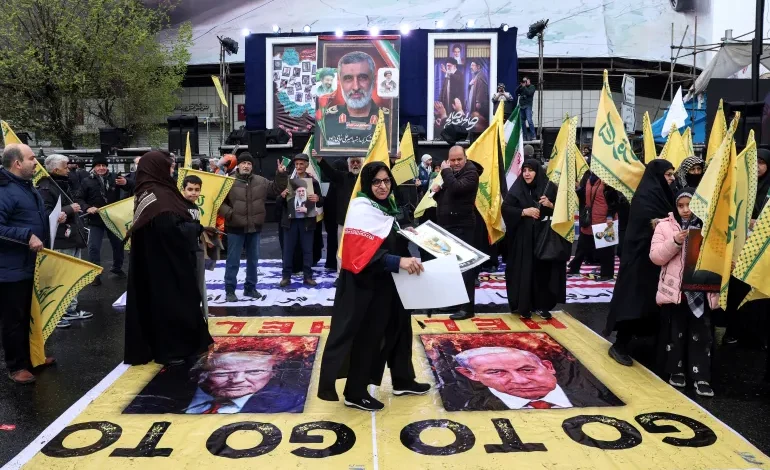

Iranian authorities are widening a sweeping internal crackdown, announcing hundreds of new arrests and intensified operations against what they describe as “traitors” linked to the United States and Israel. The moves come as the country navigates both an external military confrontation and growing pressure at home.
In a statement released overnight, the Ministry of Intelligence said it had dismantled 111 “pro-monarchy cells” across 26 provinces, accusing them of planning actions against the Islamic Republic. The arrests were accompanied by claims that weapons had been seized and renewed calls for citizens to report suspicious activity.
The crackdown coincides with heightened tensions around Chaharshanbe Suri, the traditional fire festival marking the approach of Nowruz. This year, authorities encouraged pro-government supporters to take to the streets, while security forces moved to detain dissenters amid the ongoing war.
At the same time, Iran remains under a near-total internet shutdown affecting more than 92 million people for a third consecutive week. Officials said 21 individuals were arrested for sending videos to foreign “terrorist” media outlets, while two shipments of 350 Starlink terminals were intercepted, underscoring the state’s effort to control information flows.
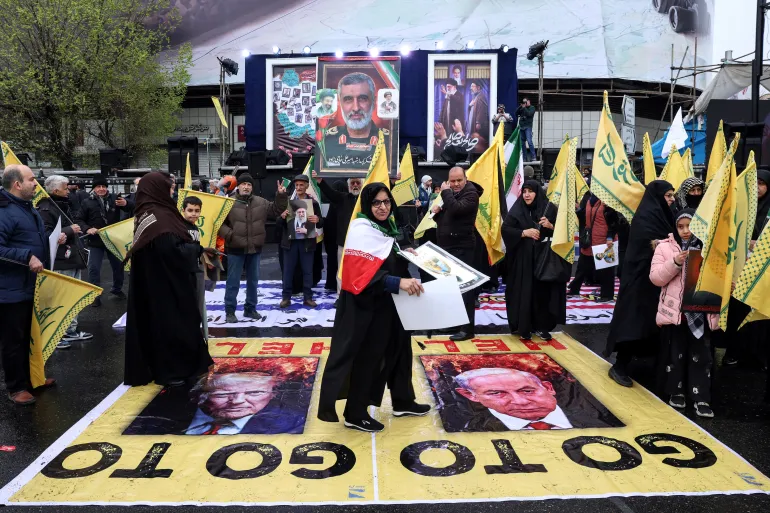
State media framed the unrest as hostile activity against the system, reporting arrests in cities like Karaj, where some detainees were accused of burning images of Ayatollah Ali Khamenei, killed at the start of the conflict. His son, Mojtaba Khamenei, has since assumed the role of supreme leader.
Despite the tightening security environment, public life continues under strain. Iran’s emergency services reported two deaths and nearly 1,000 injuries linked to fireworks during the festival, though officials noted the figures were lower than last year due to limited access to materials amid wartime shortages.
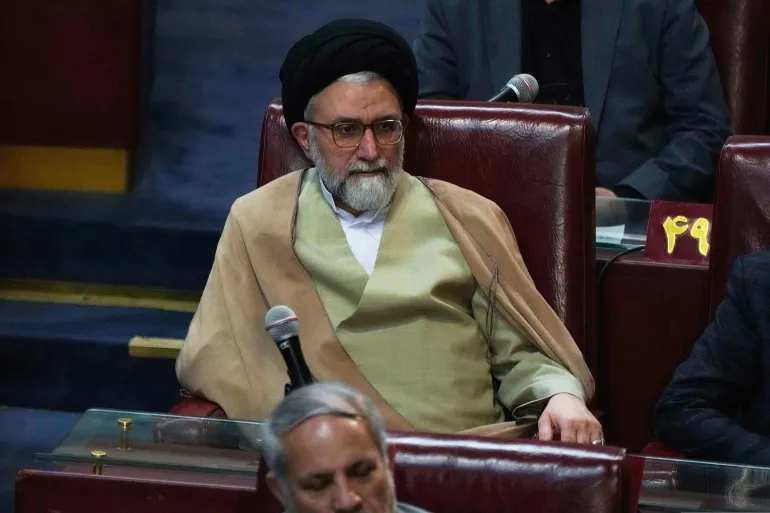
Meanwhile, the broader conflict continues to reshape Iran’s internal and external dynamics. Israeli strikes have targeted senior figures within Iran’s security apparatus, including Ali Larijani and Basij commander Gholamreza Soleimani, alongside other officials. Israeli sources also claimed the killing of Intelligence Minister Esmaeil Khatib.
Iranian leaders have responded with defiance. Foreign Minister Abbas Araghchi said the system would withstand the pressure, while judiciary chief Gholam-Hossein Mohseni Ejei declared that the “might of arrogance was broken” and that the United States had suffered a setback.
“It can almost be said that the US is begging other countries to help with just one of the issues,” Ejei said, referring to disruptions in global shipping through the Strait of Hormuz.
Internally, the judiciary has escalated its response to perceived dissent. Authorities announced the execution of a man identified as Kourosh Keyvani, accused of spying for Israel, releasing footage of what they described as a confession. Human rights organisations have repeatedly criticised such practices as “forced confessions”, a charge the Iranian government rejects.

The latest news in your social feeds
Subscribe to our social media platforms to stay tuned