



CNBC, the Wall Street Journal, Market Watch, and Reuters contributed to this report.
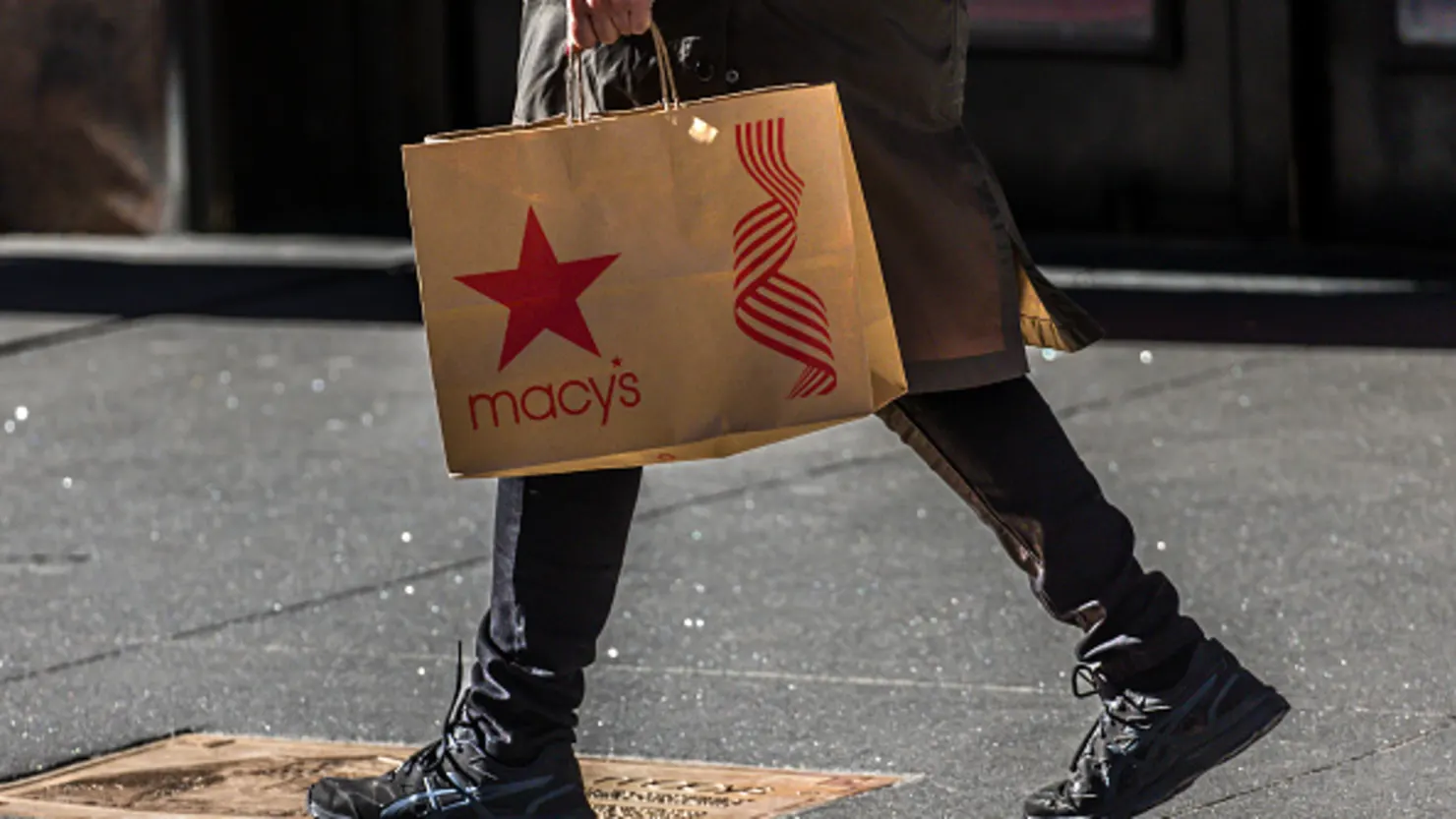
Good news and caution in the same breath: the department-store operator beat Wall Street’s Q4 estimates, and its store-refresh push is clearly moving the needle — but leadership warned investors that full-year sales will likely dip as the company navigates higher gas prices, tariff swings and global uncertainty.
Here’s the skinny: Macy’s topped quarterly forecasts with $7.64 billion in revenue and $1.67 adjusted earnings per share (vs. $1.53 expected). Net income was $507 million for the period. Shares popped roughly 5% on the results.
Still, management gave a careful road map for the year: the company guided to $21.4 billion–$21.65 billion in revenue and $1.90–$2.10 in adjusted EPS — both below last year’s totals and a modest haircut from some analysts’ hopes. Comparable-store sales are forecast to range roughly -0.5% to +0.5%, so don’t expect fireworks.
CEO Tony Spring said the turnaround plan is working: all three banners grew in the year, the company returned to positive comparable-sales growth for the first time in three years, and the namesake banner is noticeably cleaner, better stocked and friendlier to shop. He flagged the usual suspects for caution — gas prices, the Middle East conflict and tariff policy — and said the company is being “prudent” about projecting the rest of 2026.
The store overhaul is the tangible bit: leadership has closed just over 80 old-style locations so far and still expects to shutter roughly 150 namesake stores overall, but CFO Tom Edwards said the timetable for closing the remaining ~65 will be stretched out to 2028 to get the best real-estate outcomes. At the same time, the retailer is plowing money into about 350 Macy’s locations it plans to keep. The results? The roughly 200 “reimagined” Macy’s stores are outpacing the rest of the chain; the 125 stores that had earlier rollouts posted stronger comps.
Luxury and specialty are the bright spots. Bloomingdale’s crushed the holidays with a 9.9% comparable-sales uptick, and beauty chain Bluemercury added 1.3%. The company says Bloomingdale’s benefited from industry shake-ups at other luxury players, and that pulling in newer, trendier brands — think Theory, Good American, Reiss — is working.
Digital’s not dying either: the stronger store experience helped online sales, which now make up about one-third of the business. That “omnichannel” lift is exactly what executives point to as proof the strategy is coherent: better stores = better discoverability = better digital conversion.
The turnaround has momentum, but macro and policy risks mean the company is taking a cautious stance. The refresh playbook looks legit — nicer floors, more staff, fresher brands — yet the balance sheet and guidance show Macy’s expects a bumpy road as it finishes the heavy-lifting on store closures and investments. If gas prices and tariffs cool off (or the company lucks into tariff refunds), the upside is clear; if not, expect a conservative year with a few more hard choices to come.


The latest news in your social feeds
Subscribe to our social media platforms to stay tuned